Join CHRONOHOLIC today!
All the watch news, reviews, videos you want, brought to you from fellow collectors
All the watch news, reviews, videos you want, brought to you from fellow collectors
%20(1).jpeg)
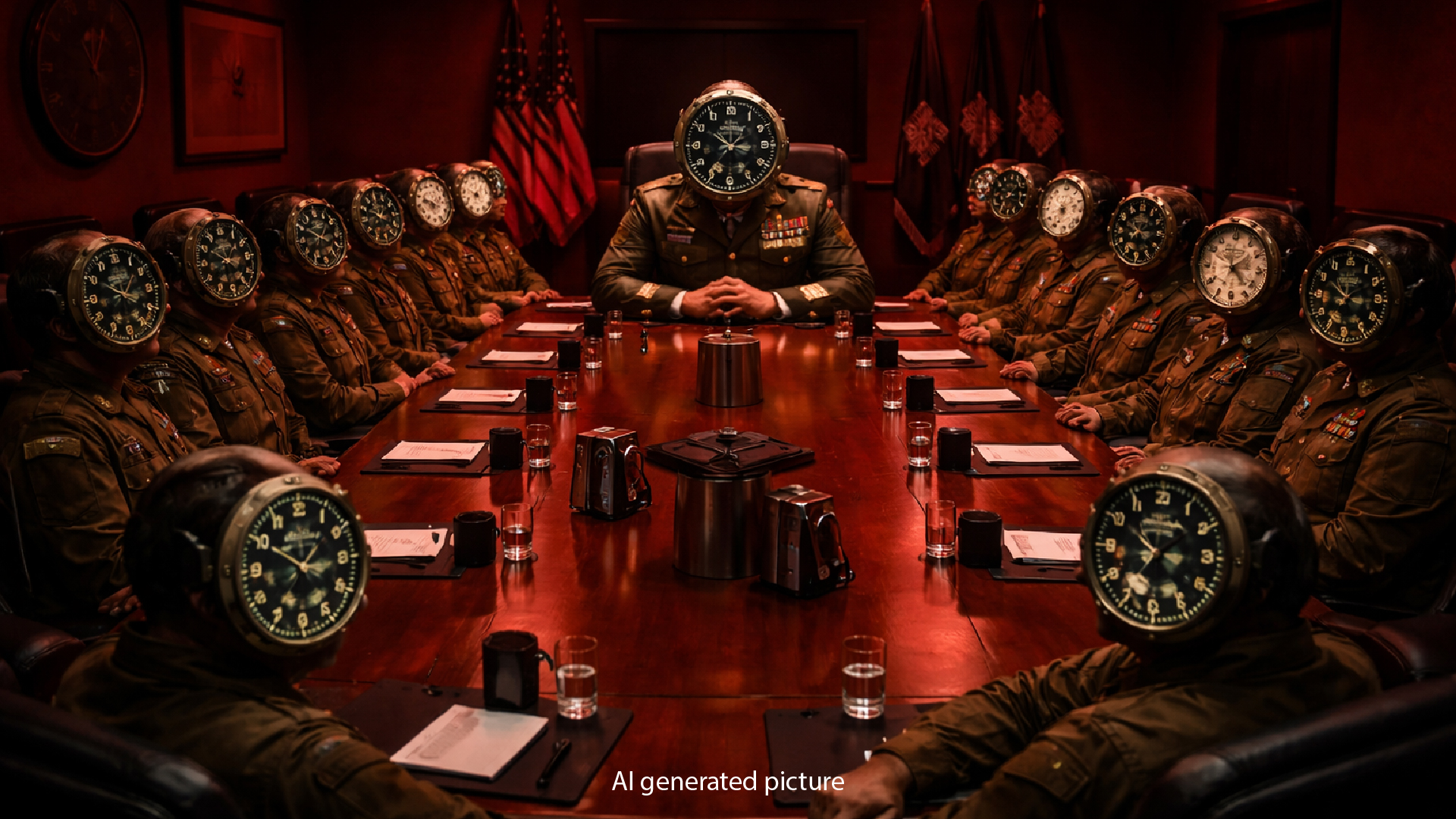
0855 hours. The briefing room is full five minutes early.
No one acknowledges this, which is precisely how you know it matters.
Chairs are occupied without negotiation. A map has been straightened. Very slightly, but with conviction. Someone has chosen the seat with the clearest line of sight to the door, and someone else has already noticed that choice and filed it away for later. There is no small talk. Just the faint, habitual choreography of readiness. Sleeves adjusted. Notes aligned. A glance down at the wrist, not to check the time, but to confirm it has not slipped.
At first, you might think you were sitting in a roomful of doppelgangers. But if you look closely, they do not look alike. It’s just that no one here is trying to stand out. That would be a categorical error.
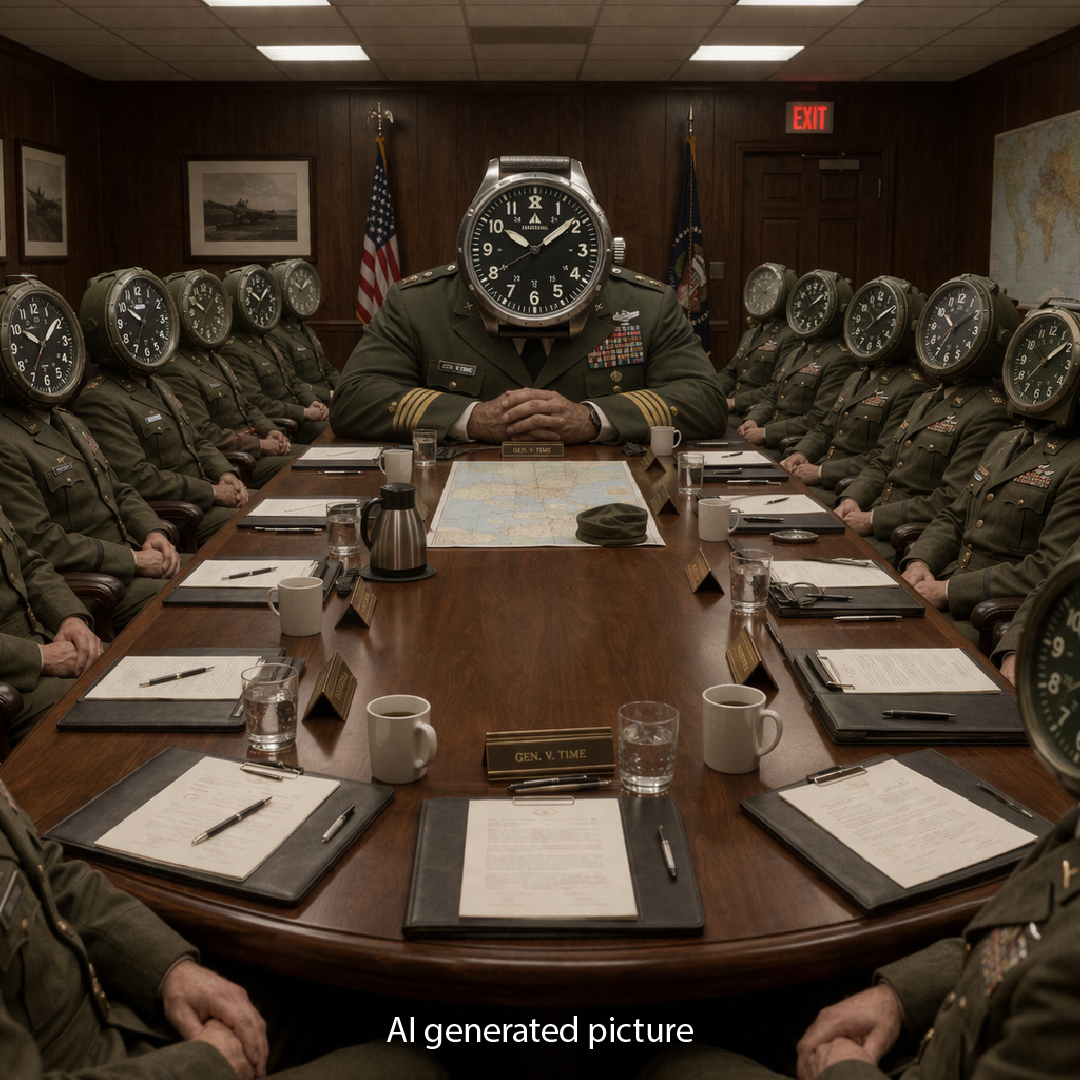
One sits as if accuracy were an ethical consideration. Another carries himself lightly, as though prepared to leave the moment the meeting concludes. A third has the settled stillness of someone who has attended too many of these.
But spend enough time with them, and the differences begin to surface. Not just in appearances, but also in posture and intent. In the way each seems to relate to the task at hand.
These watches have always preferred rooms like this. Functional spaces. Fluorescent lighting that forgives nothing. Places where time is not admired but consulted. And even then, without ceremony.
The door closes. No one bothers to look up.
The Commander
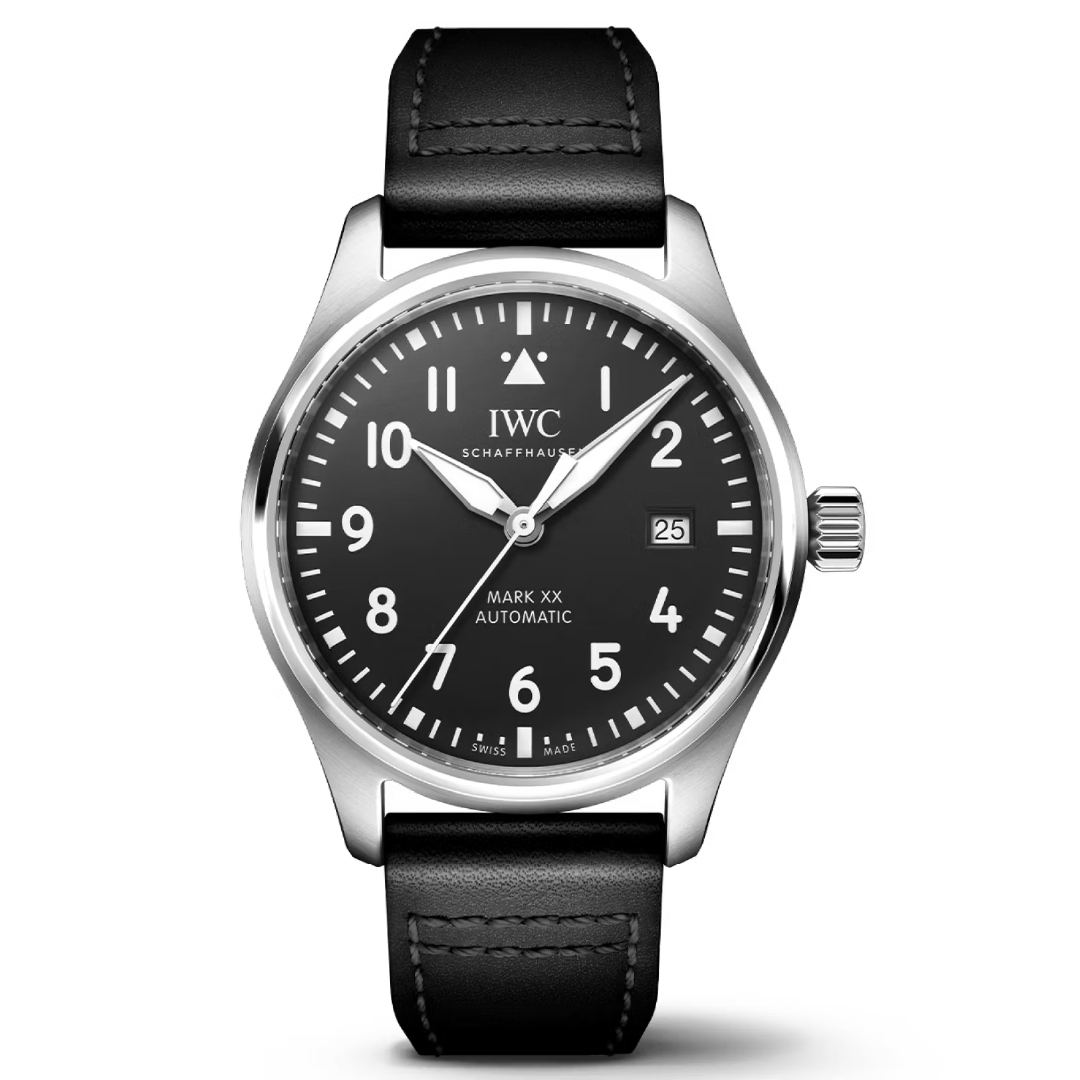
“Time, gentlemen, is not a suggestion.” — IWC Pilot Mk XX, briefing note, 1939.
He occupies the seat at the head of the table. No one remembers it being assigned to him, but no one argues.
The folder in front of him is closed. He has already read it. Twice, at least. The pen rests parallel to its edge.
Living with him is an exercise in alignment. Not forced, though. He is too measured for that. But once you start living with him, deviation begins to feel like an error. He never speaks loudly. His voice is precise enough for you to listen.
He believes in systems as necessities. Time, in his world, is allocated. Segmented. Accounted for. There is a place for everything, including delay. Though he prefers not to dwell on that.

The dial is clean to the point of austerity, but not sparse. There is information here. Carefully prioritised. Nothing competes. Nothing lingers. Even the seconds move with a kind of procedural certainty, as if aware they are being observed for compliance. He is not unaware that others in the room believe they have seen more.
He never contests this assumption. It isn’t relevant.
Favourite drink: Pour-Over, Ethiopian single-origin.
Favourite music: JS Bach, Symphony in G Minor
The Scout
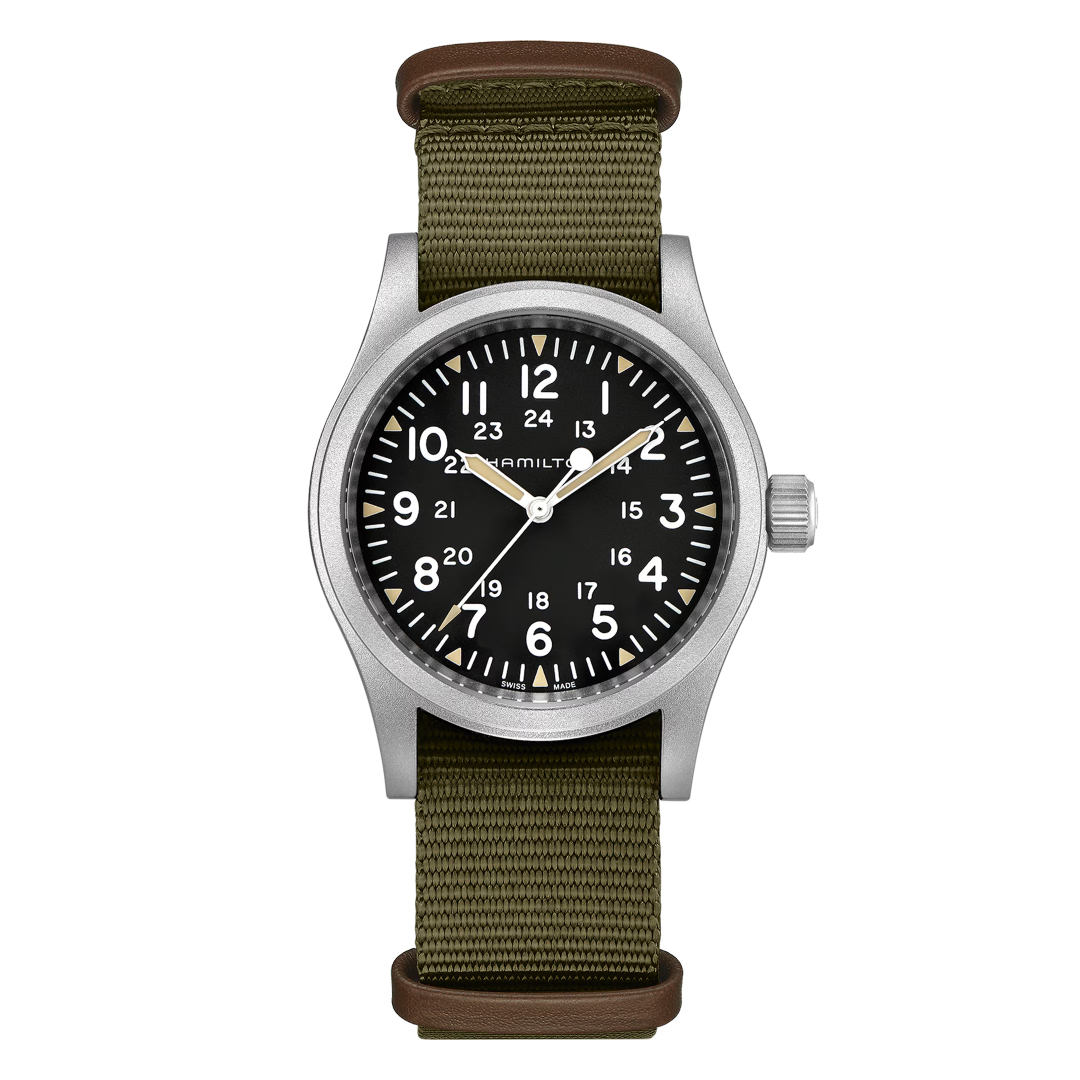
“A week in the field out there will outdo six months in this room.” — Hamilton Khaki, somewhere in the wilderness, 1966.
He is seated. But only just.
There is a lightness to the way he occupies the chair, as though it were a temporary arrangement. One foot angled slightly away. A shoulder not fully committed to the backrest. If the room decides to move, he would already be halfway to the door.
Living with him is an exercise in momentum. He does not plan beyond what is necessary. Not because he lacks discipline, but because he understands its limits.
Time, to him, is not something you divide neatly across a page. It arrives unevenly. In windows. In gaps. In brief, usable stretches that must be acted upon before they close again. There is nothing ornamental about him. The dial is clear, almost blunt in its intent. Legibility has moved beyond being a feature to being the point. The hands move lightly because hesitation serves no purpose in the place he operates.
He has little patience for hierarchy, because it often arrives too late. By the time instructions reach him, the situation has usually already changed. He listens. He nods, and then he does what the moment demands.

The Commander finds this inefficient. The Mountaineer finds it familiar. The Scout does not think about either.
He is not here to be remembered.
But to make sure someone else gets the chance to be.
Favourite drink: Fresh water from the brook, scooped up in a mess tin.
Favourite music: The sound of birds chirping to welcome dawn.
The Mountaineer
“No one ever conquers the mountain. One can only ever hope to conquer themself.” — Rolex Explorer, expedition note (edited lightly for cadence), 1953.
There is a stillness that comes only from exposure. Cold mornings that began before light. Air that thinned without warning. Decisions made slowly. Discarded quickly. For him, that stillness became the myth.
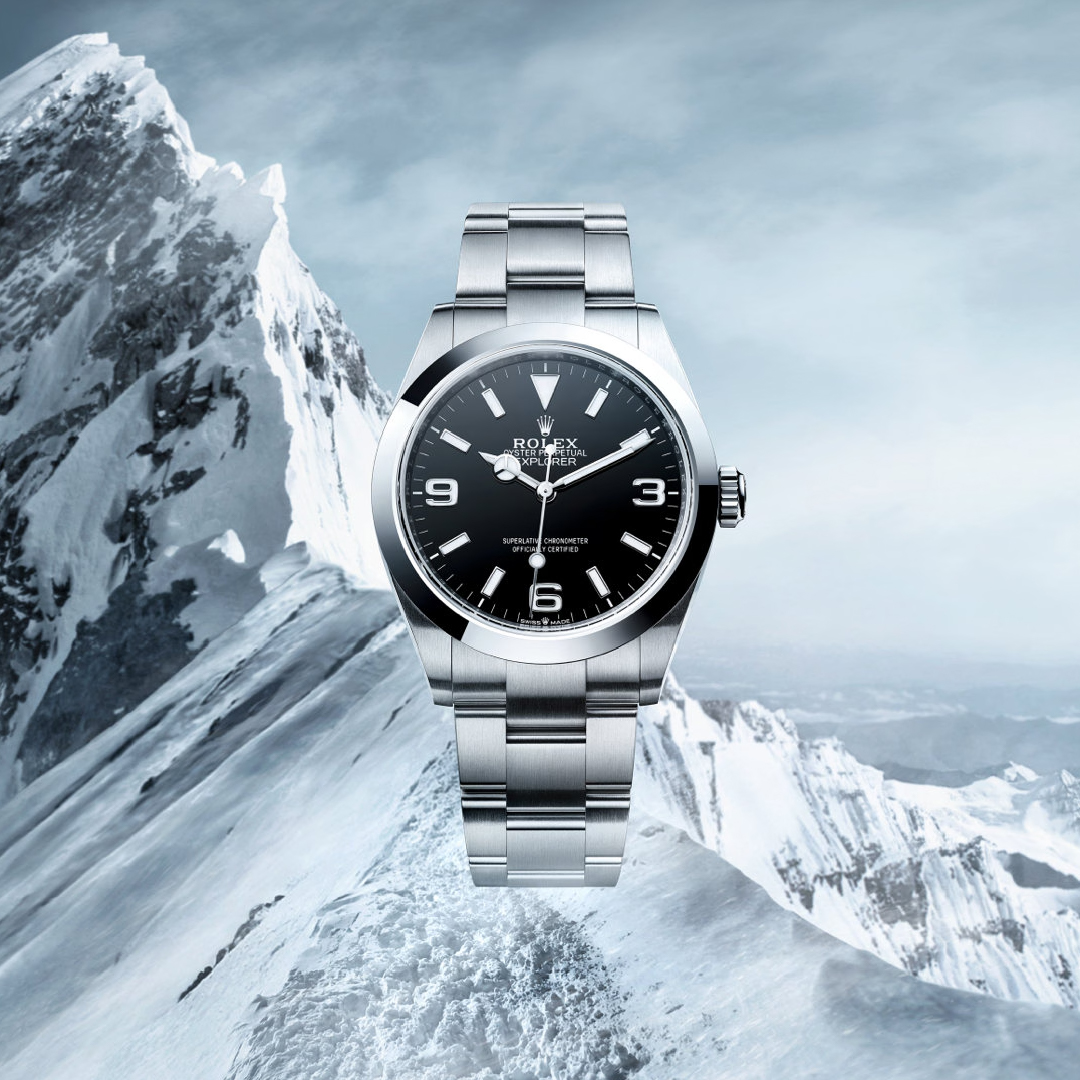
He has been collecting stories. Like an old library collects dust. At times, they sound insistent enough to resemble vanity. Look closer, and you see something else. Time, to him, is patience. And restraint.
The dial is austere. Almost severe. There is balance. Legibility. And proportion. A quiet assurance that nothing needs to prove itself anymore. You notice it in small ways. The way he rarely corrects assumptions. The way he holds your hand in a firm, reassuring grip. The way he allows certain narratives to stand, even when they have grown convenient.
But then you also notice the sheena, and you know that vanity cannot live without flourish for long.

Living with him is an exercise in endurance, and in being annoyingly close to perfection.
He often says he is not here to impress. You suspect he does.
Favourite drink: Earl Grey. That’s what he says while sipping a Macallan 25, straight.
Favourite music: Wind against canvas. Now he plays it on vinyl recordings.
The Naturalist
“You do not keep time in the mountains. You notice it.” — Seiko Alpinist, field journal, unindexed, 1959.
He sits by the window. Always by the window. That’s where the light collects.
There is a quiet defiance in him that the others do not entirely trust. He refuses to reduce everything to purpose. His attention drifts. Often, it settles on things most would have already edited out.
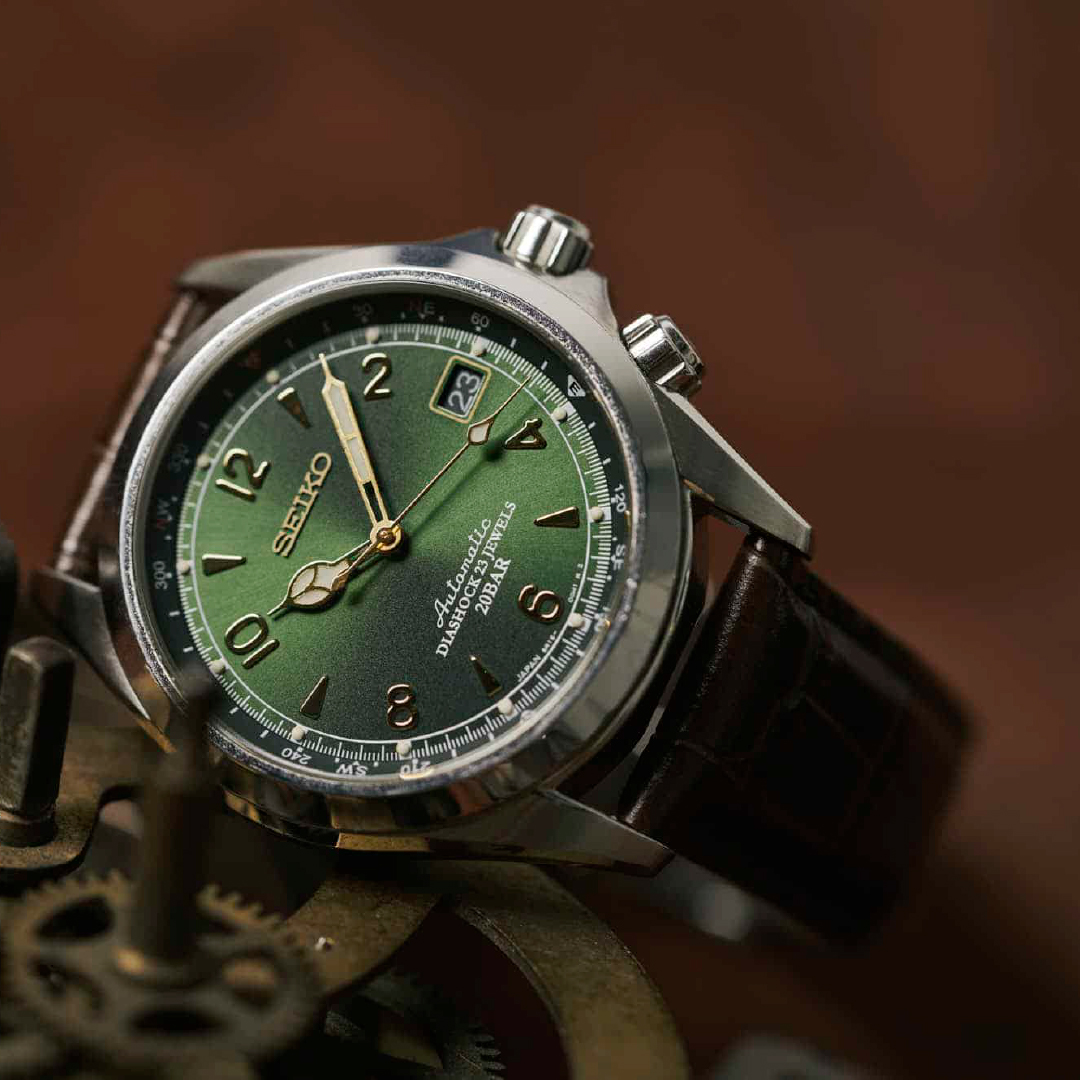
Living with him is an exercise in noticing. He does not divide time into tasks. He allows it to unfold. To him, time is not a line to be followed, but a pattern to be read. Cycles. Changes. Small, almost imperceptible transitions that accumulate into something larger, if you have the patience to remain.
The dial reflects this. There is more here than the others would consider necessary. A second scale. A shade of green that might seem indulgent. The hands, too, are gothic. Almost. The compass wanders even when asked politely to stay. You either learn to admire that spirit, or you never quite get over it.
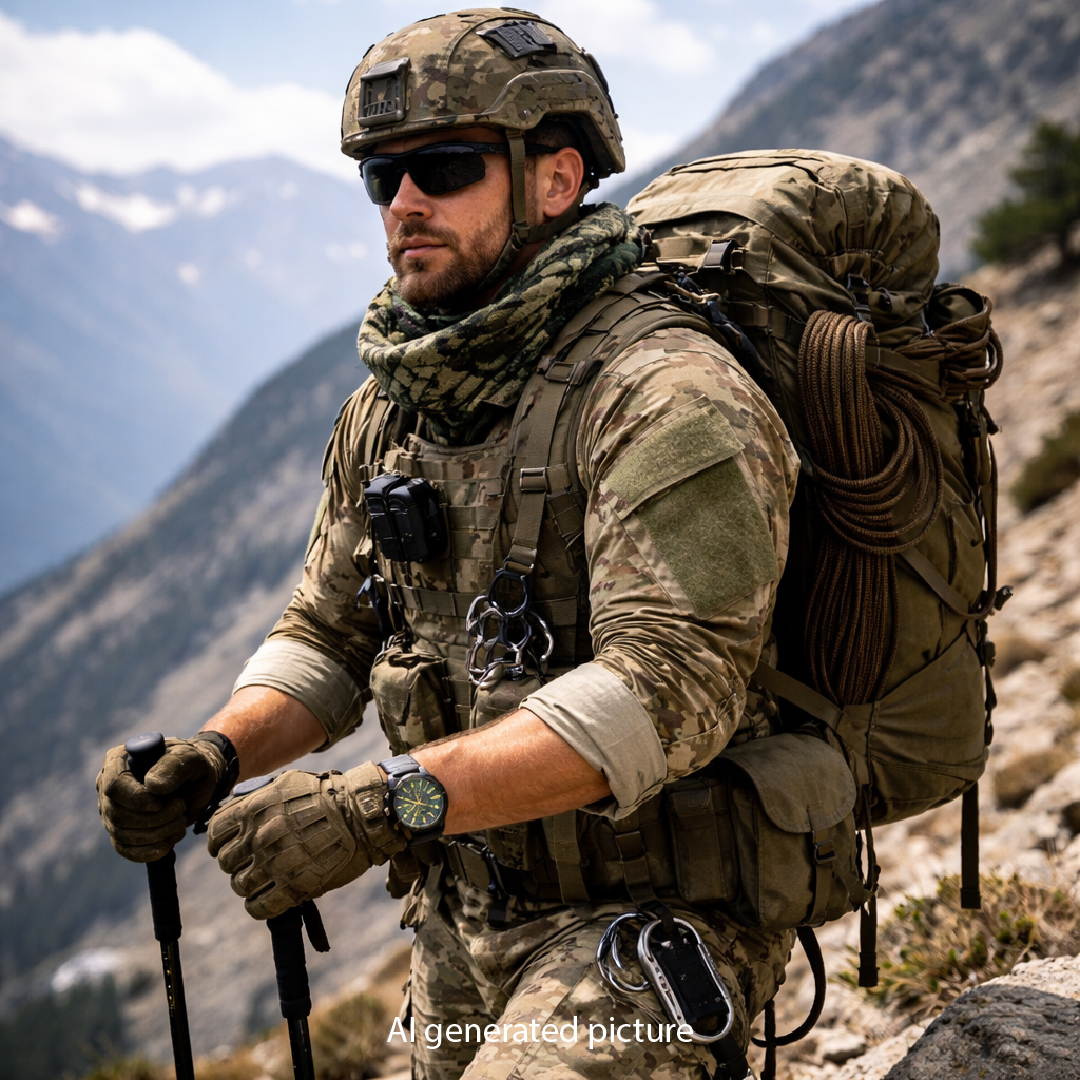
He is not uninterested in the task. He simply refuses to let it consume everything else. The Mountaineer finds that spirit familiar. But he is too steeped in his own myth to accept it.
The Naturalist does not mind any of this. He is not here to arrive, but to notice.
Favourite drink: Tongba, served in a bamboo mug.
Favourite music: Water finding its way downhill.
The Outsider
“Let’s just do it.” — Casio G-Shock DW5600, after every briefing.
He is seated. Which, in itself, feels like a concession.
There is none of the room’s usual calibration about him. No adjustment to posture. No quiet alignment with the table. He occupies the chair the way he occupies everything else. Completely, and without negotiation. The others sit within the room. He sits as though the room were incidental.

Living with him is an exercise in dismissal. Of pretence. And narrative. He has barely any interest in origin stories, lineage, or the careful preservation of identity. Time, to him, is not something to be interpreted. It is something that continues. Relentlessly.
The display is blunt. Unapologetically so. It’s information, after all. Not a suggestion. There is no attempt to soften, no desire to be read beautifully. Only correctly.

He neither drifts nor is known to reflect. He does not wait to be noticed. He is built for interruption and remains unchanged by it.
He is not here to belong. He is here because he works.
Favourite drink: Still water.
Favourite music: Static. Or silence. It makes no difference.
0855 hours. The briefing room is full five minutes early.
No one acknowledges this, which is precisely how you know it matters.
Chairs are occupied without negotiation. A map has been straightened. Very slightly, but with conviction. Someone has chosen the seat with the clearest line of sight to the door, and someone else has already noticed that choice and filed it away for later. There is no small talk. Just the faint, habitual choreography of readiness. Sleeves adjusted. Notes aligned. A glance down at the wrist, not to check the time, but to confirm it has not slipped.
At first, you might think you were sitting in a roomful of doppelgangers. But if you look closely, they do not look alike. It’s just that no one here is trying to stand out. That would be a categorical error.
One sits as if accuracy were an ethical consideration. Another carries himself lightly, as though prepared to leave the moment the meeting concludes. A third has the settled stillness of someone who has attended too many of these.
But spend enough time with them, and the differences begin to surface. Not just in appearances, but also in posture and intent. In the way each seems to relate to the task at hand.
These watches have always preferred rooms like this. Functional spaces. Fluorescent lighting that forgives nothing. Places where time is not admired but consulted. And even then, without ceremony.
The door closes. No one bothers to look up.
The Commander
“Time, gentlemen, is not a suggestion.” — IWC Pilot Mk XX, briefing note, 1939.
He occupies the seat at the head of the table. No one remembers it being assigned to him, but no one argues.
The folder in front of him is closed. He has already read it. Twice, at least. The pen rests parallel to its edge.
Living with him is an exercise in alignment. Not forced, though. He is too measured for that. But once you start living with him, deviation begins to feel like an error. He never speaks loudly. His voice is precise enough for you to listen.
He believes in systems as necessities. Time, in his world, is allocated. Segmented. Accounted for. There is a place for everything, including delay. Though he prefers not to dwell on that.
The dial is clean to the point of austerity, but not sparse. There is information here. Carefully prioritised. Nothing competes. Nothing lingers. Even the seconds move with a kind of procedural certainty, as if aware they are being observed for compliance. He is not unaware that others in the room believe they have seen more.
He never contests this assumption. It isn’t relevant.
Favourite drink: Pour-Over, Ethiopian single-origin.
Favourite music: JS Bach, Symphony in G Minor
The Scout
“A week in the field out there will outdo six months in this room.” — Hamilton Khaki, somewhere in the wilderness, 1966.
He is seated. But only just.
There is a lightness to the way he occupies the chair, as though it were a temporary arrangement. One foot angled slightly away. A shoulder not fully committed to the backrest. If the room decides to move, he would already be halfway to the door.
Living with him is an exercise in momentum. He does not plan beyond what is necessary. Not because he lacks discipline, but because he understands its limits.
Time, to him, is not something you divide neatly across a page. It arrives unevenly. In windows. In gaps. In brief, usable stretches that must be acted upon before they close again. There is nothing ornamental about him. The dial is clear, almost blunt in its intent. Legibility has moved beyond being a feature to being the point. The hands move lightly because hesitation serves no purpose in the place he operates.
He has little patience for hierarchy, because it often arrives too late. By the time instructions reach him, the situation has usually already changed. He listens. He nods, and then he does what the moment demands.
The Commander finds this inefficient. The Mountaineer finds it familiar. The Scout does not think about either.
He is not here to be remembered.
But to make sure someone else gets the chance to be.
Favourite drink: Fresh water from the brook, scooped up in a mess tin.
Favourite music: The sound of birds chirping to welcome dawn.
The Mountaineer
“No one ever conquers the mountain. One can only ever hope to conquer themself.” — Rolex Explorer, expedition note (edited lightly for cadence), 1953.
There is a stillness that comes only from exposure. Cold mornings that began before light. Air that thinned without warning. Decisions made slowly. Discarded quickly. For him, that stillness became the myth.
He has been collecting stories. Like an old library collects dust. At times, they sound insistent enough to resemble vanity. Look closer, and you see something else. Time, to him, is patience. And restraint.
The dial is austere. Almost severe. There is balance. Legibility. And proportion. A quiet assurance that nothing needs to prove itself anymore. You notice it in small ways. The way he rarely corrects assumptions. The way he holds your hand in a firm, reassuring grip. The way he allows certain narratives to stand, even when they have grown convenient.
But then you also notice the sheena, and you know that vanity cannot live without flourish for long.
Living with him is an exercise in endurance, and in being annoyingly close to perfection.
He often says he is not here to impress. You suspect he does.
Favourite drink: Earl Grey. That’s what he says while sipping a Macallan 25, straight.
Favourite music: Wind against canvas. Now he plays it on vinyl recordings.
The Naturalist
“You do not keep time in the mountains. You notice it.” — Seiko Alpinist, field journal, unindexed, 1959.
He sits by the window. Always by the window. That’s where the light collects.
There is a quiet defiance in him that the others do not entirely trust. He refuses to reduce everything to purpose. His attention drifts. Often, it settles on things most would have already edited out.
Living with him is an exercise in noticing. He does not divide time into tasks. He allows it to unfold. To him, time is not a line to be followed, but a pattern to be read. Cycles. Changes. Small, almost imperceptible transitions that accumulate into something larger, if you have the patience to remain.
The dial reflects this. There is more here than the others would consider necessary. A second scale. A shade of green that might seem indulgent. The hands, too, are gothic. Almost. The compass wanders even when asked politely to stay. You either learn to admire that spirit, or you never quite get over it.
He is not uninterested in the task. He simply refuses to let it consume everything else. The Mountaineer finds that spirit familiar. But he is too steeped in his own myth to accept it.
The Naturalist does not mind any of this. He is not here to arrive, but to notice.
Favourite drink: Tongba, served in a bamboo mug.
Favourite music: Water finding its way downhill.
The Outsider
“Let’s just do it.” — Casio G-Shock DW5600, after every briefing.
He is seated. Which, in itself, feels like a concession.
There is none of the room’s usual calibration about him. No adjustment to posture. No quiet alignment with the table. He occupies the chair the way he occupies everything else. Completely, and without negotiation. The others sit within the room. He sits as though the room were incidental.
Living with him is an exercise in dismissal. Of pretence. And narrative. He has barely any interest in origin stories, lineage, or the careful preservation of identity. Time, to him, is not something to be interpreted. It is something that continues. Relentlessly.
The display is blunt. Unapologetically so. It’s information, after all. Not a suggestion. There is no attempt to soften, no desire to be read beautifully. Only correctly.
He neither drifts nor is known to reflect. He does not wait to be noticed. He is built for interruption and remains unchanged by it.
He is not here to belong. He is here because he works.
Favourite drink: Still water.
Favourite music: Static. Or silence. It makes no difference.


.png)
.png)
.png)