Join CHRONOHOLIC today!
All the watch news, reviews, videos you want, brought to you from fellow collectors
All the watch news, reviews, videos you want, brought to you from fellow collectors
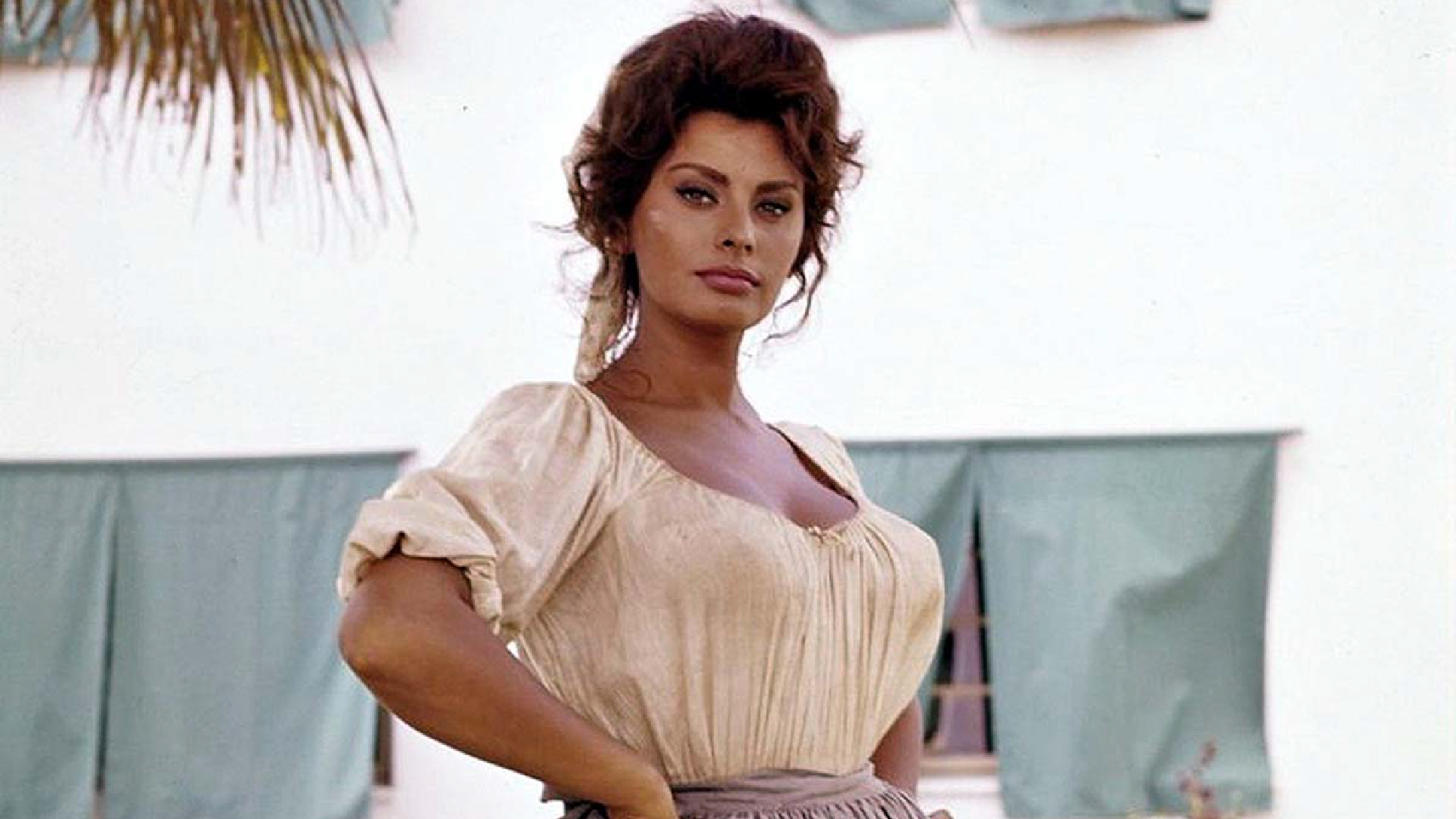

The ticking of a gold watch against the skin of Sophia Loren is less a measurement of passing seconds and more a rhythmic confirmation of an enduring dynasty. To examine the horological life of the woman born Sofia Villani Scicolone is to trace the evolution of a Neapolitan girl who transformed herself into the universal visual shorthand for Italian elegance. While the cinematic world fixates on her gaze—those leonine eyes framed by a flick of kohl—the watch collecting community has long looked to her wrist to find the intersection of utility and opulence.
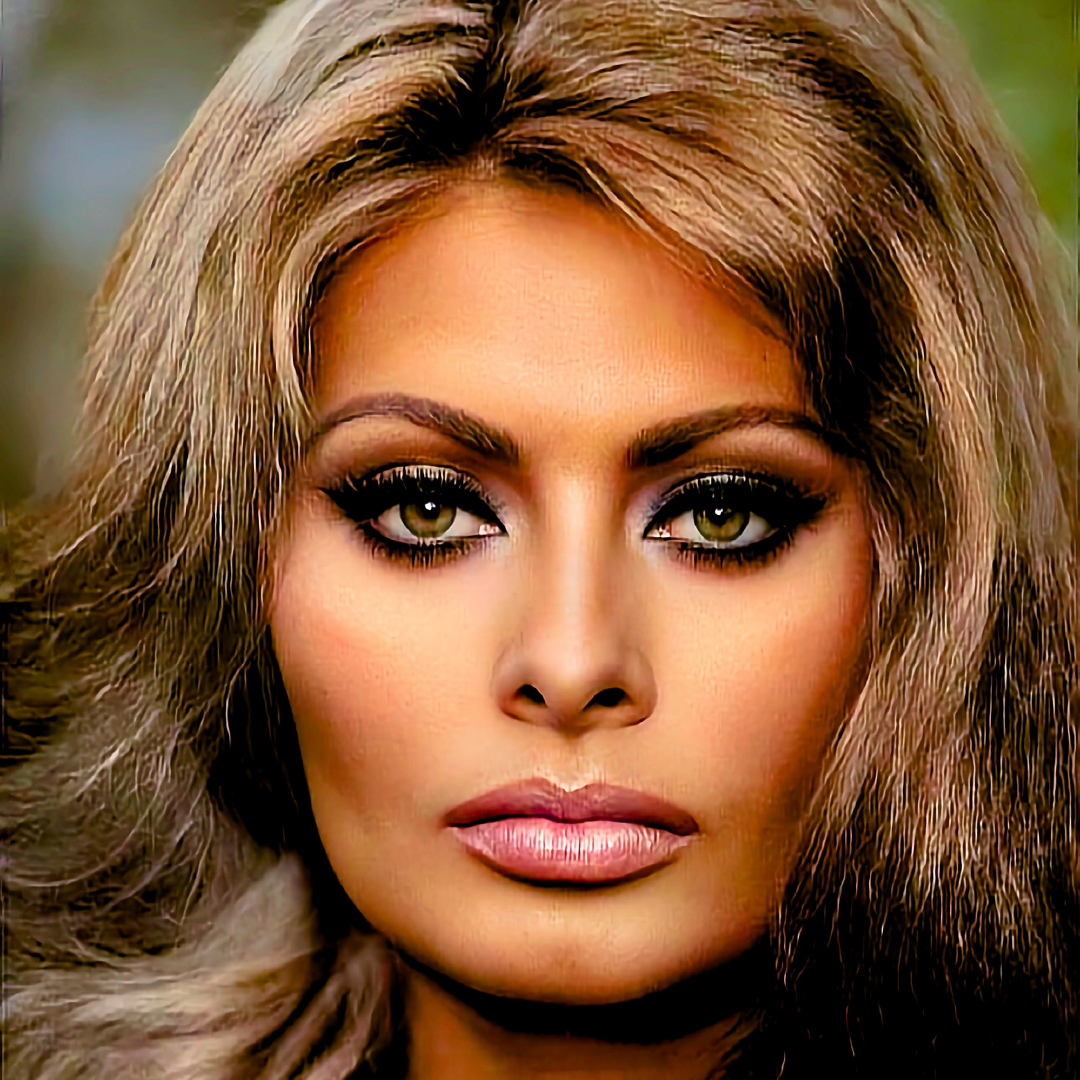
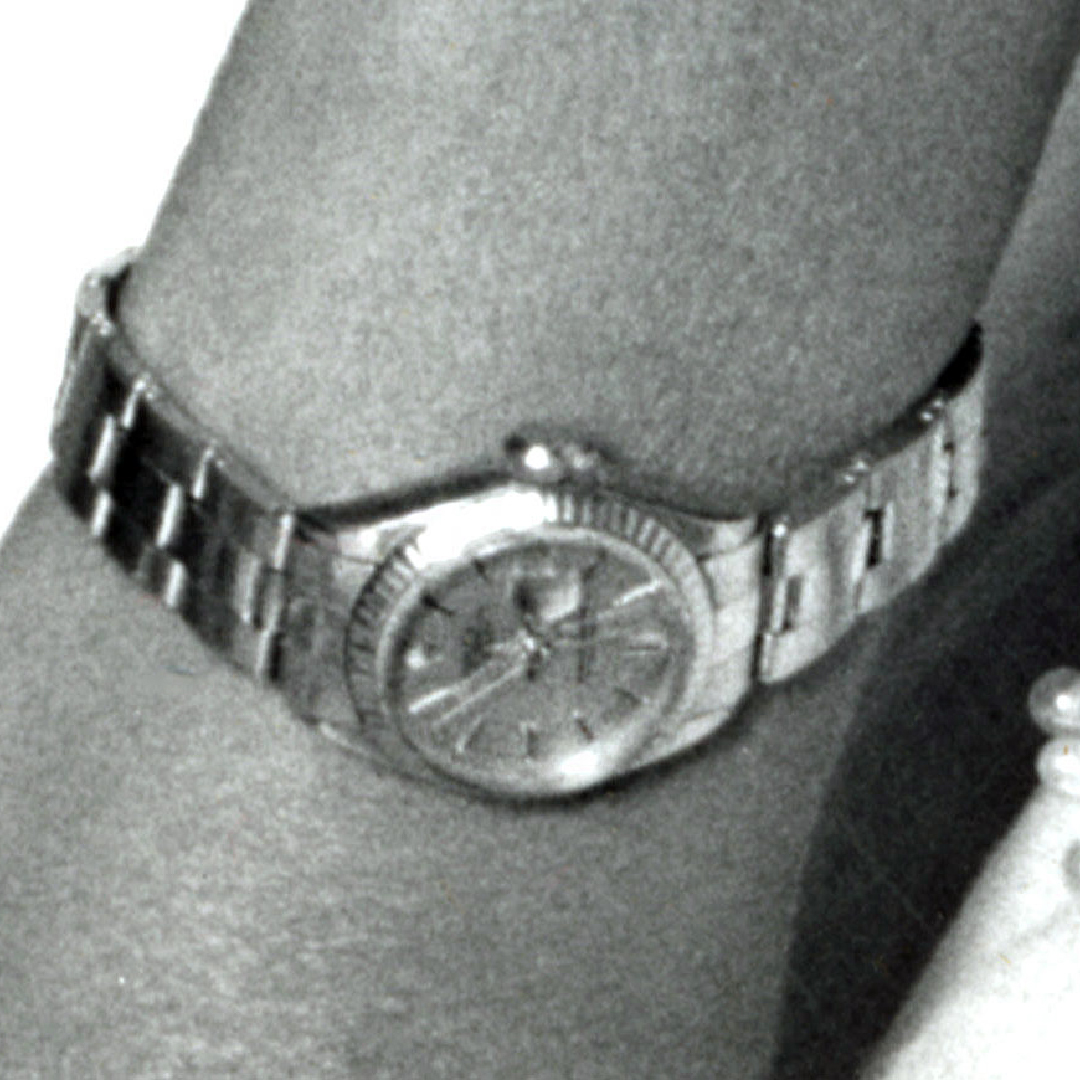
Her most consistent companion has been the Rolex Lady-Datejust in eighteen-karat yellow gold, a twenty-six-millimeter masterwork of restraint that she has worn with a loyalty seldom seen in the fickle cycles of Hollywood styling. On Loren, this watch ceases to be a mere instrument of punctuality; it becomes a piece of golden armour. In an era where her contemporaries often favoured delicate, hidden-dial cocktail watches that masqueraded as bracelets, Loren chose a timepiece with a visible date window and a robust Oyster case. This choice mirrored her own persona: a beauty built on a foundation of strength, a woman who could navigate the gritty neorealism of post-war Italian cinema as easily as the high-glamour red carpets of Cannes.
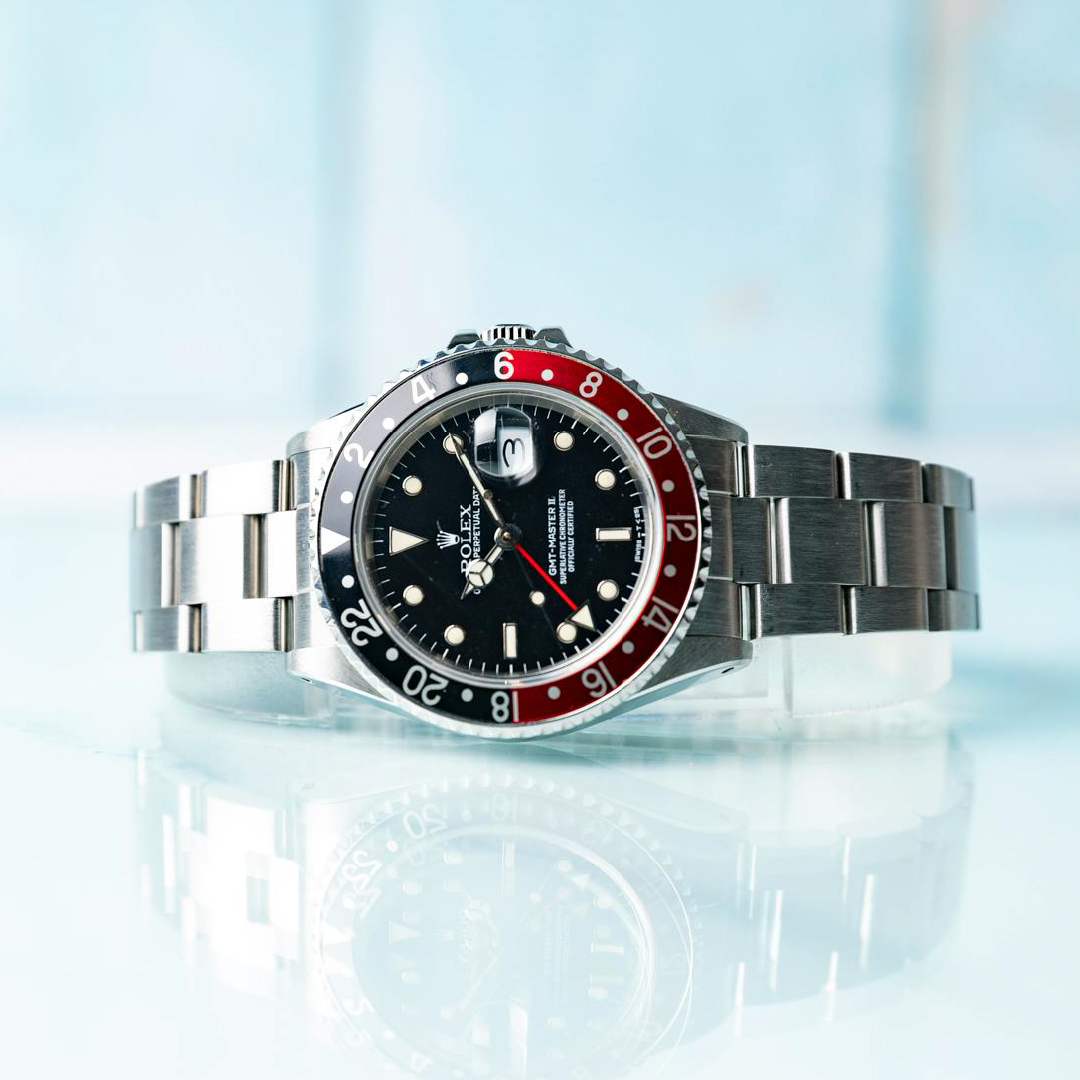
The story of Sophia Loren and the world of watches takes a surreal, almost mythological turn with the Rolex GMT-Master II Reference 16760. Released in the early 1980s, this specific model arrived with a thicker case and more pronounced curves necessitated by its new movement. The watch collecting fraternity, a group often prone to clinical technicality, abandoned their jargon the moment they saw the silhouette of the 16760. They saw the heaving lugs and the rounded, substantial profile and immediately christened it the ‘Sophia Loren’. It is a profound irony of modern history that the most famous watch bearing her name is one she never actually wore. The Sophia Loren—also known by the less romantic moniker of the Fat Lady—was a pilot’s tool, a stainless steel beast with a red and black Coke bezel designed for the cockpit, not the cinema. Yet, the nickname endured because Loren had become such a potent cultural icon that her very name was used to describe anything that possessed an hourglass figure and an undeniable presence. It remains a ghost-tribute, a mechanical phantom that haunts the auction blocks of the world, forever linking a rugged aviation instrument to the most feminine silhouette of the twentieth century.
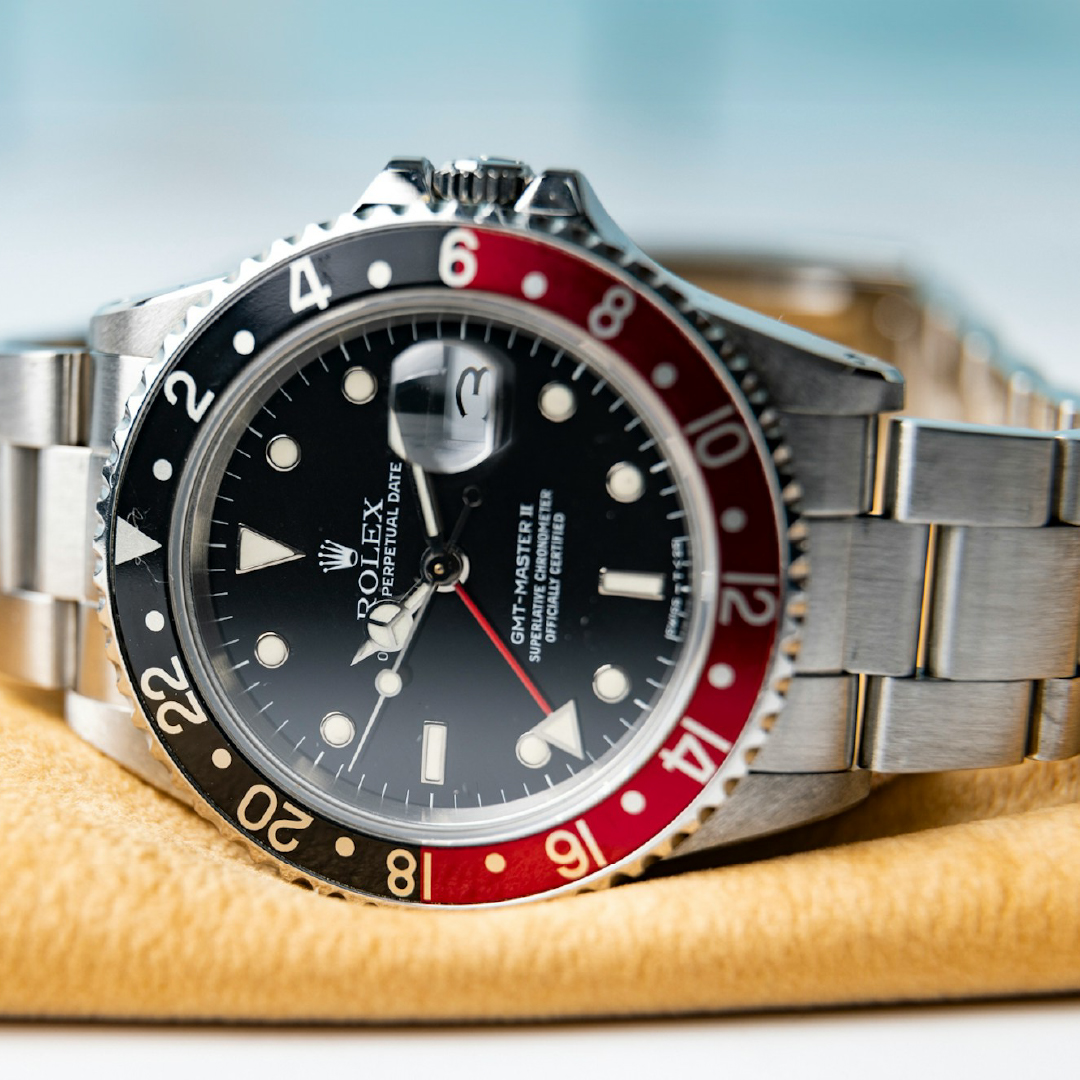
Picture Credit - Watch Collecting
This duality defines the Loren aesthetic: the gold Datejust she actually fastened to her wrist represents her personal truth, while the GMT-Master II named in her honor represents the world’s projection of her power. Her personal preference for yellow gold was never about vanity; it was about a Mediterranean warmth that complemented her complexion and signaled a hard-earned stability. In her early years, when she was the muse of Vittorio De Sica, she was often seen in the understated elegance of the mid-century, but as she ascended to the status of a global sovereign, her jewelry and watches became more architectural. She frequently gravitated toward the high-jewelry houses of Italy, particularly Damiani and Bulgari, choosing pieces that felt like artifacts rather than accessories. There is a sense of permanence in her choices that defies the frantic pace of modern celebrity. While today’s icons switch brands with every season, Loren’s silhouette and her choice of wristwear have remained remarkably static for over half a century. She understood early on that style is not about the acquisition of the new, but the refinement of the eternal.
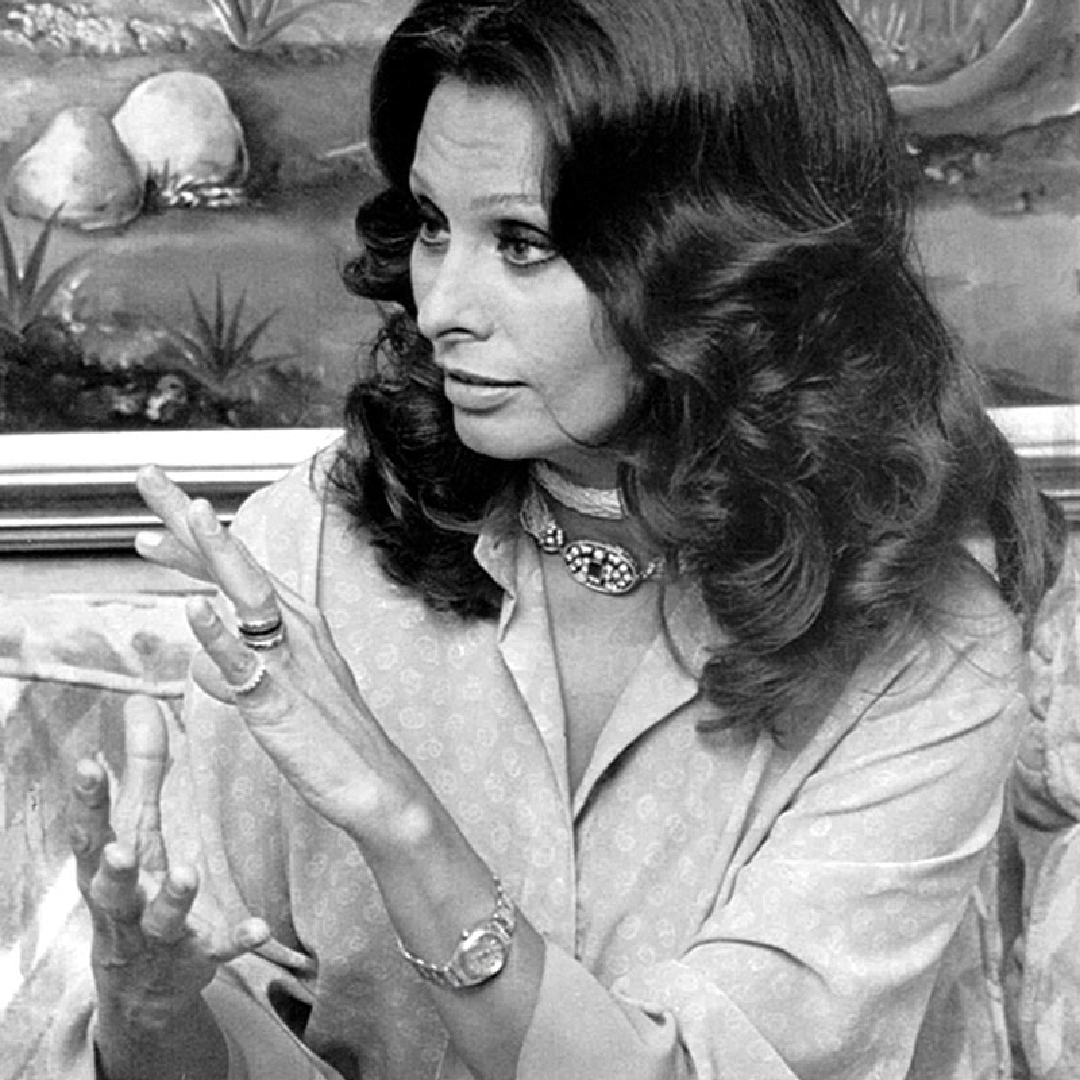
To truly understand the weight of that eighteen-karat gold on her wrist, one must look back to the rubble of Pozzuoli. Loren’s childhood was not one of diamonds and Swiss movements; it was one of hunger and the sharp, jagged edges of war. When she finally achieved the success that allowed her to purchase her own finery, she did not choose the ephemeral. She chose the indestructible. The Rolex Oyster case was originally marketed for its hermetic seal, a watch that could survive the English Channel or the deepest dive. On Loren, this functionality took on a poetic dimension. She was a woman who had survived the scrutiny of a judgmental industry and the chaos of a changing world. Her watch needed to be as resilient as she was. The Lady-Datejust, with its oyster bracelet, provided a tactile link to her triumphs. Every link in that gold chain represented a film, a festival, a moment where she stood her ground. It is said that she owns several versions of the model, but they all speak the same language of consistency. In her world, time is not something to be chased; it is something to be commanded.
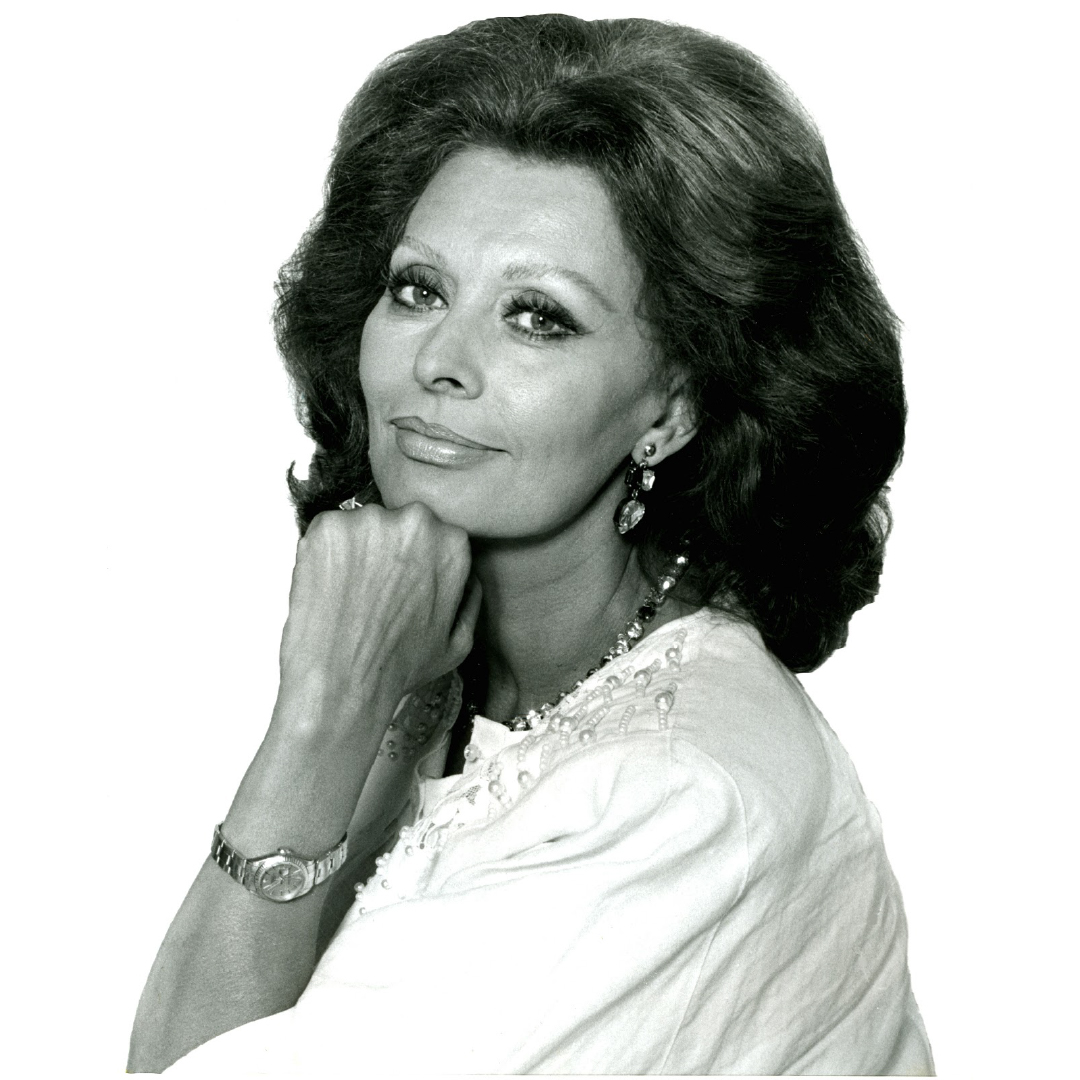
The technical brilliance of the Reference 16760, the watch that bears her name in absentia, is worth lingering upon for its sheer architectural bravery. Rolex engineers had to increase the thickness of the case to accommodate the Calibre 3085, the first movement that allowed the hour hand to be set independently of the GMT hand. This was a revolution in travel, allowing the wearer to jump time zones without stopping the seconds. Though Loren never strapped this piece of engineering to her arm, the community saw in its "fat" proportions a mirror of her own undeniable impact. She was the woman who changed the "independent hour" of cinema, moving between Italy and Hollywood with a grace that made the distance seem non-existent. The 16760 was also the first GMT-Master II to feature a sapphire crystal, moving away from the more vulnerable acrylic of the past. Like Loren herself, the watch was built to be clearer, harder, and more luminous than anything that had come before it. It is a rare thing for a mechanical object to be so closely associated with a human being that the two become synonymous in the minds of experts, yet the "Sophia Loren" Rolex remains one of the most evocative nicknames in horology.
Picture credit - Bob's Watches
Beyond the watches, Loren’s influence extended into the very heart of the Italian jewelry tradition. Her long-standing relationship with Damiani led to the creation of the "Sophia Loren Collection," a series of pieces that utilized pink gold and diamonds to evoke the circular patterns of a life lived in the spotlight. In these collaborations, she was never a passive model; she was a creative force, ensuring that every curve and every setting reflected her specific brand of classicism. Even in these high-jewelry contexts, the concept of time remained central. She often spoke of her jewelry as heirlooms, items that would carry her story forward into the next century. This perspective is what separates a mere celebrity from a true icon. An icon understands that they are a temporary custodian of beauty, and the objects they wear are the vessels that will hold their memory when the lights finally dim.
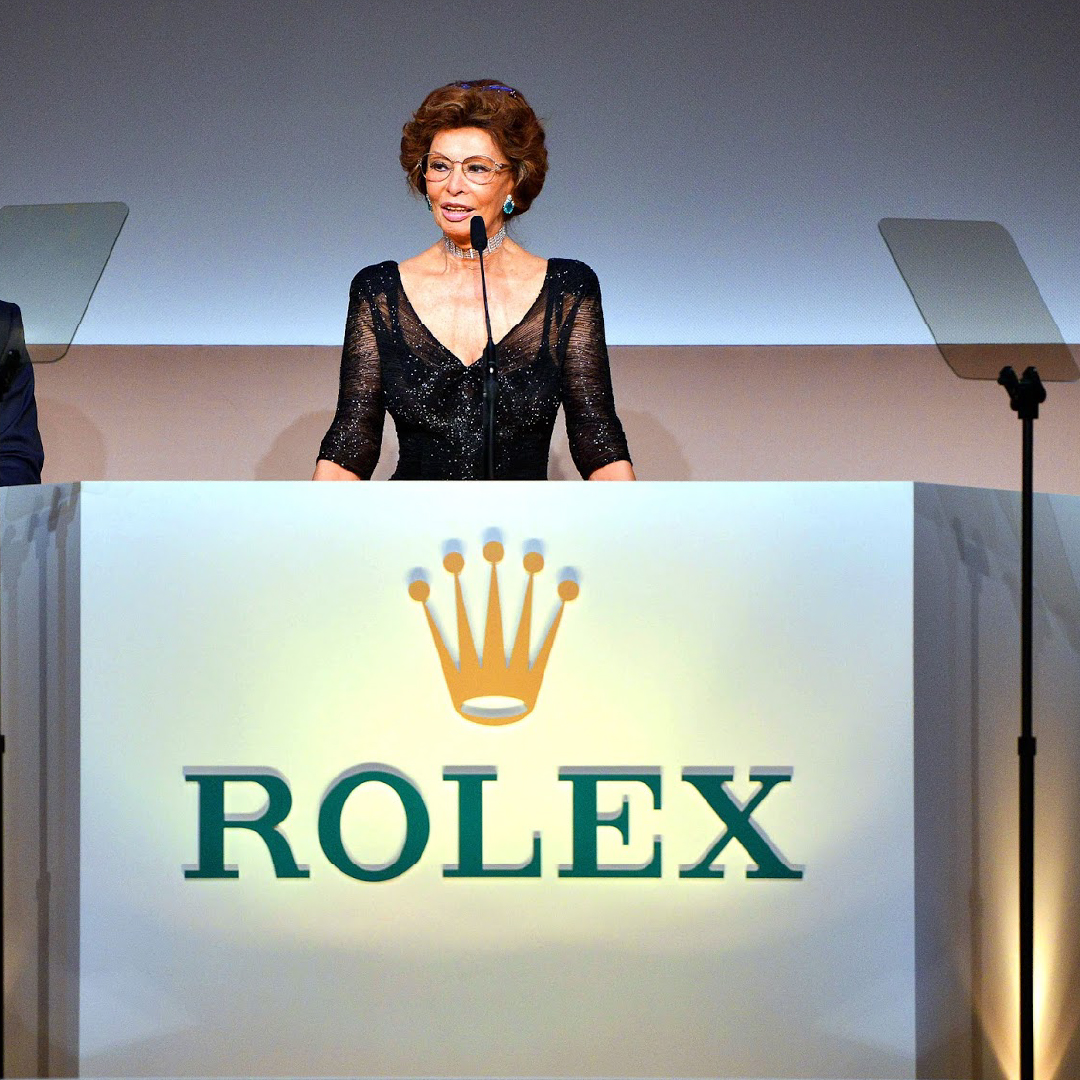
The gold Rolex on her wrist is not just a status symbol; it is a timestamp of a legacy that refuses to fadeIn the final analysis, the relationship between Sophia Loren and her timepieces is a study in the power of branding, both personal and mechanical. She chose the Datejust because it was the best, and the world chose to name the GMT-Master II after her because she was the best. It is a closed loop of excellence. When we see her today, perhaps attending a gala or being photographed in a quiet moment of reflection, the glint of gold is still there. It serves as a reminder that while the world around her has become digital, disposable, and increasingly frantic, Sophia Loren remains analog. She is a woman of gears and springs, of solid gold and sapphire, of steady heartbeats and unwavering focus. To wear a watch like Sophia Loren is to understand that the most precious thing one can own is not the gold itself, but the time it represents. She has used her time to build a monument to the Italian spirit, and she has done so with a Rolex on her wrist, ticking away the seconds of a life that has been nothing short of miraculous. The "Sophia Loren" watch may be a collector’s nickname, but the woman herself is the true masterpiece, a timeless figure who has mastered the art of being exactly where she needs to be, exactly when she needs to be there.
About the author | Shormila Bhowmik is a veteran Business & Lifestyle journalist. She is the founder of Mocha Ink Mag and the host of Mocha Talks podcast. A connoisseur of good life and conscious living, her column blends her literary taste in classics with the timelessness of timepieces.
The ticking of a gold watch against the skin of Sophia Loren is less a measurement of passing seconds and more a rhythmic confirmation of an enduring dynasty. To examine the horological life of the woman born Sofia Villani Scicolone is to trace the evolution of a Neapolitan girl who transformed herself into the universal visual shorthand for Italian elegance. While the cinematic world fixates on her gaze—those leonine eyes framed by a flick of kohl—the watch collecting community has long looked to her wrist to find the intersection of utility and opulence.
Her most consistent companion has been the Rolex Lady-Datejust in eighteen-karat yellow gold, a twenty-six-millimeter masterwork of restraint that she has worn with a loyalty seldom seen in the fickle cycles of Hollywood styling. On Loren, this watch ceases to be a mere instrument of punctuality; it becomes a piece of golden armour. In an era where her contemporaries often favoured delicate, hidden-dial cocktail watches that masqueraded as bracelets, Loren chose a timepiece with a visible date window and a robust Oyster case. This choice mirrored her own persona: a beauty built on a foundation of strength, a woman who could navigate the gritty neorealism of post-war Italian cinema as easily as the high-glamour red carpets of Cannes.
The story of Sophia Loren and the world of watches takes a surreal, almost mythological turn with the Rolex GMT-Master II Reference 16760. Released in the early 1980s, this specific model arrived with a thicker case and more pronounced curves necessitated by its new movement. The watch collecting fraternity, a group often prone to clinical technicality, abandoned their jargon the moment they saw the silhouette of the 16760. They saw the heaving lugs and the rounded, substantial profile and immediately christened it the ‘Sophia Loren’. It is a profound irony of modern history that the most famous watch bearing her name is one she never actually wore. The Sophia Loren—also known by the less romantic moniker of the Fat Lady—was a pilot’s tool, a stainless steel beast with a red and black Coke bezel designed for the cockpit, not the cinema. Yet, the nickname endured because Loren had become such a potent cultural icon that her very name was used to describe anything that possessed an hourglass figure and an undeniable presence. It remains a ghost-tribute, a mechanical phantom that haunts the auction blocks of the world, forever linking a rugged aviation instrument to the most feminine silhouette of the twentieth century.
Picture Credit - Watch Collecting
This duality defines the Loren aesthetic: the gold Datejust she actually fastened to her wrist represents her personal truth, while the GMT-Master II named in her honor represents the world’s projection of her power. Her personal preference for yellow gold was never about vanity; it was about a Mediterranean warmth that complemented her complexion and signaled a hard-earned stability. In her early years, when she was the muse of Vittorio De Sica, she was often seen in the understated elegance of the mid-century, but as she ascended to the status of a global sovereign, her jewelry and watches became more architectural. She frequently gravitated toward the high-jewelry houses of Italy, particularly Damiani and Bulgari, choosing pieces that felt like artifacts rather than accessories. There is a sense of permanence in her choices that defies the frantic pace of modern celebrity. While today’s icons switch brands with every season, Loren’s silhouette and her choice of wristwear have remained remarkably static for over half a century. She understood early on that style is not about the acquisition of the new, but the refinement of the eternal.
To truly understand the weight of that eighteen-karat gold on her wrist, one must look back to the rubble of Pozzuoli. Loren’s childhood was not one of diamonds and Swiss movements; it was one of hunger and the sharp, jagged edges of war. When she finally achieved the success that allowed her to purchase her own finery, she did not choose the ephemeral. She chose the indestructible. The Rolex Oyster case was originally marketed for its hermetic seal, a watch that could survive the English Channel or the deepest dive. On Loren, this functionality took on a poetic dimension. She was a woman who had survived the scrutiny of a judgmental industry and the chaos of a changing world. Her watch needed to be as resilient as she was. The Lady-Datejust, with its oyster bracelet, provided a tactile link to her triumphs. Every link in that gold chain represented a film, a festival, a moment where she stood her ground. It is said that she owns several versions of the model, but they all speak the same language of consistency. In her world, time is not something to be chased; it is something to be commanded.
The technical brilliance of the Reference 16760, the watch that bears her name in absentia, is worth lingering upon for its sheer architectural bravery. Rolex engineers had to increase the thickness of the case to accommodate the Calibre 3085, the first movement that allowed the hour hand to be set independently of the GMT hand. This was a revolution in travel, allowing the wearer to jump time zones without stopping the seconds. Though Loren never strapped this piece of engineering to her arm, the community saw in its "fat" proportions a mirror of her own undeniable impact. She was the woman who changed the "independent hour" of cinema, moving between Italy and Hollywood with a grace that made the distance seem non-existent. The 16760 was also the first GMT-Master II to feature a sapphire crystal, moving away from the more vulnerable acrylic of the past. Like Loren herself, the watch was built to be clearer, harder, and more luminous than anything that had come before it. It is a rare thing for a mechanical object to be so closely associated with a human being that the two become synonymous in the minds of experts, yet the "Sophia Loren" Rolex remains one of the most evocative nicknames in horology.
Picture credit - Bob's Watches
Beyond the watches, Loren’s influence extended into the very heart of the Italian jewelry tradition. Her long-standing relationship with Damiani led to the creation of the "Sophia Loren Collection," a series of pieces that utilized pink gold and diamonds to evoke the circular patterns of a life lived in the spotlight. In these collaborations, she was never a passive model; she was a creative force, ensuring that every curve and every setting reflected her specific brand of classicism. Even in these high-jewelry contexts, the concept of time remained central. She often spoke of her jewelry as heirlooms, items that would carry her story forward into the next century. This perspective is what separates a mere celebrity from a true icon. An icon understands that they are a temporary custodian of beauty, and the objects they wear are the vessels that will hold their memory when the lights finally dim.
The gold Rolex on her wrist is not just a status symbol; it is a timestamp of a legacy that refuses to fadeIn the final analysis, the relationship between Sophia Loren and her timepieces is a study in the power of branding, both personal and mechanical. She chose the Datejust because it was the best, and the world chose to name the GMT-Master II after her because she was the best. It is a closed loop of excellence. When we see her today, perhaps attending a gala or being photographed in a quiet moment of reflection, the glint of gold is still there. It serves as a reminder that while the world around her has become digital, disposable, and increasingly frantic, Sophia Loren remains analog. She is a woman of gears and springs, of solid gold and sapphire, of steady heartbeats and unwavering focus. To wear a watch like Sophia Loren is to understand that the most precious thing one can own is not the gold itself, but the time it represents. She has used her time to build a monument to the Italian spirit, and she has done so with a Rolex on her wrist, ticking away the seconds of a life that has been nothing short of miraculous. The "Sophia Loren" watch may be a collector’s nickname, but the woman herself is the true masterpiece, a timeless figure who has mastered the art of being exactly where she needs to be, exactly when she needs to be there.
About the author | Shormila Bhowmik is a veteran Business & Lifestyle journalist. She is the founder of Mocha Ink Mag and the host of Mocha Talks podcast. A connoisseur of good life and conscious living, her column blends her literary taste in classics with the timelessness of timepieces.



.png)