Join CHRONOHOLIC today!
All the watch news, reviews, videos you want, brought to you from fellow collectors
All the watch news, reviews, videos you want, brought to you from fellow collectors
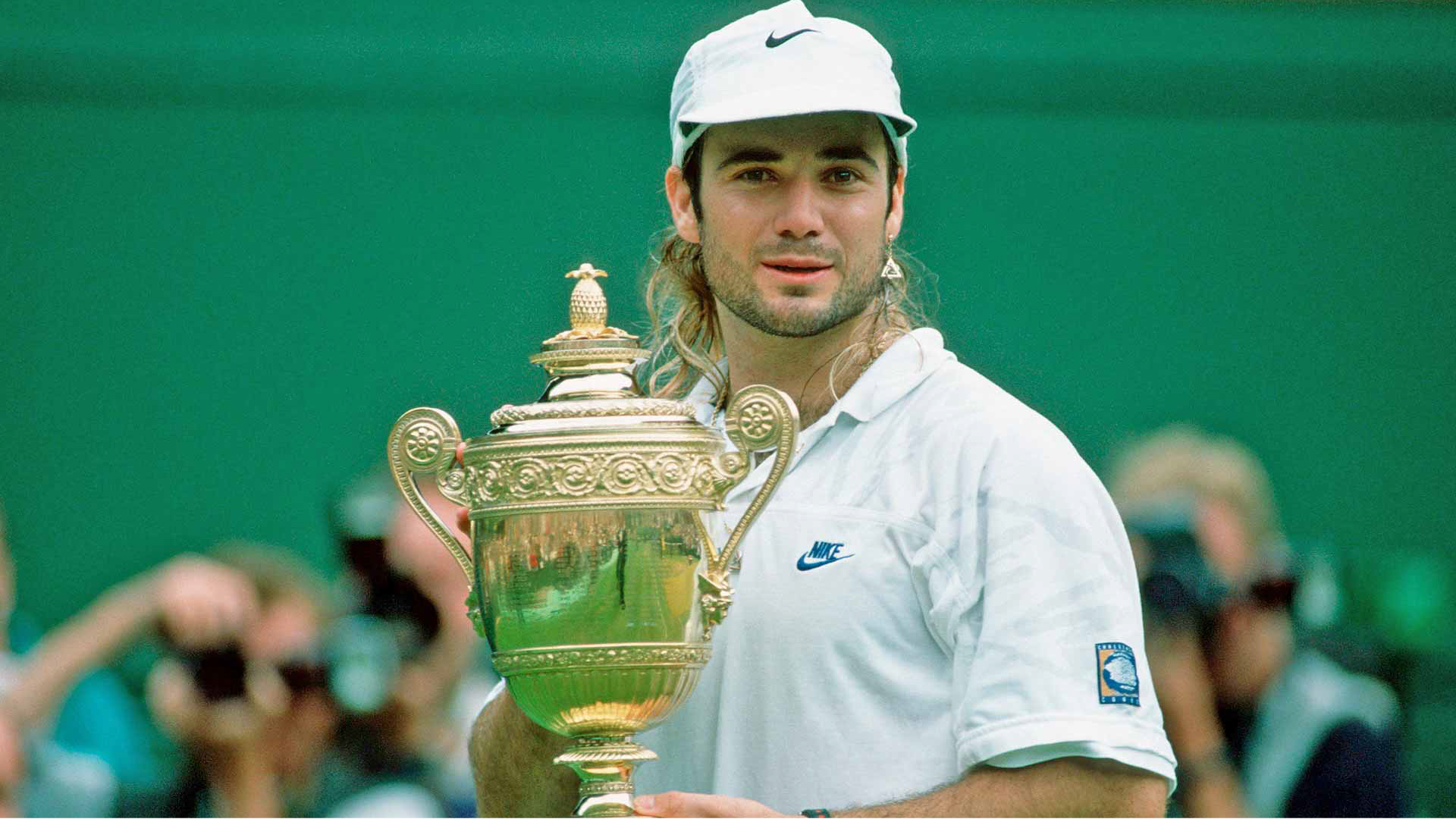

There are athletes who win, and then there are those who evolve so completely that their lives begin to mirror the very idea of time - layered, precise, and quietly revelatory. Andre Agassi belongs to the latter group. His journey, so often told through victories and reinventions, can just as compellingly be traced through the watches that have accompanied him - objects that, in their own restrained language, echo a life lived in defiance, mastery, and ultimately, alignment.
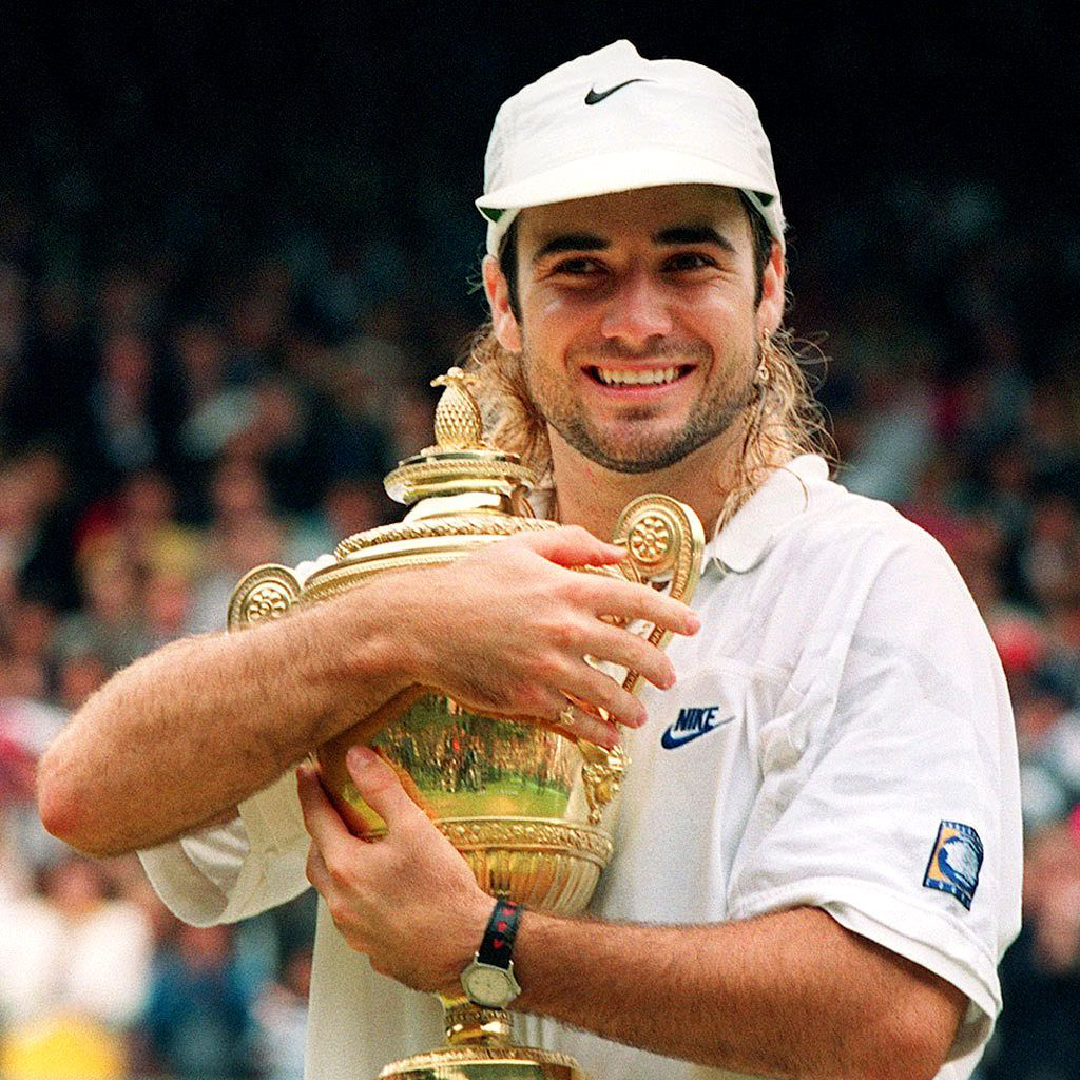
In the early years, Agassi existed in a kind of beautiful excess. He was movement before meaning, energy before structure. The denim, the neon, the hair - everything about him suggested a refusal to be contained. Even his relationship with time felt rebellious, as though he were playing not within it but against it. During this period, his wrist often carried pieces from Ebel, a house that defined a certain polished sportiness in the 1990s. These watches, sleek yet expressive, mirrored the contradictions of the young Agassi - disciplined athlete, cultural disruptor, reluctant conformist.
Yet, even in that era of flamboyance, there were signals of something deeper. Tennis, after all, is an unforgiving dialogue with time. Points hinge on fractions of seconds; careers pivot on moments barely perceptible. Agassi’s early defiance carried within it the seeds of an eventual reckoning. One cannot outrun time indefinitely. One must, at some point, learn to understand it.
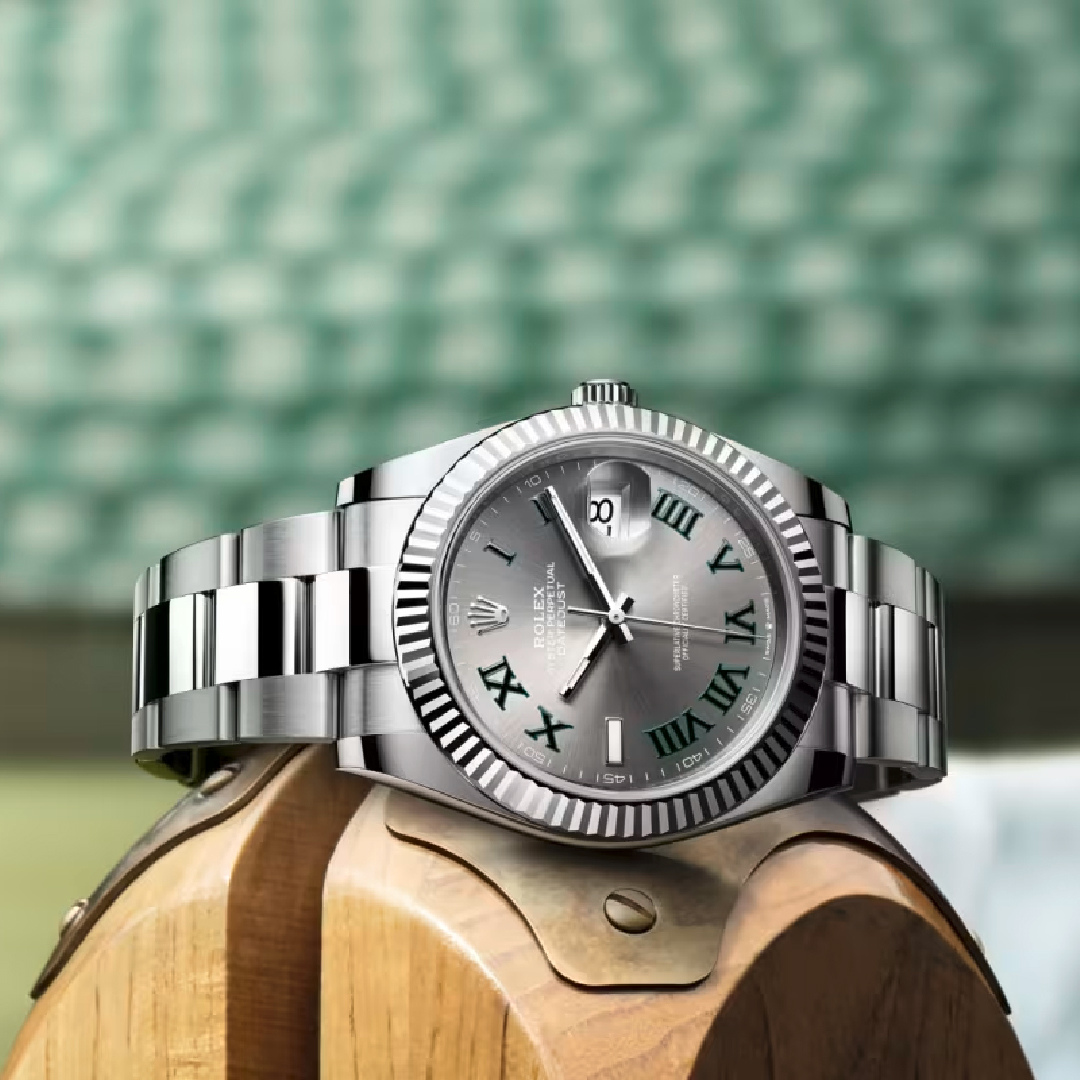
Success brought with it another layer of identity. As Agassi’s global presence expanded, so too did the symbolic language around him. Rolex appeared not as a defining allegiance but as an inevitable punctuation mark of arrival. To wear Rolex in that moment was to participate in a shared cultural vocabulary of success - timeless, recognisable, almost archetypal. Yet even here, Agassi’s relationship remained fluid. He wore the idea without being absorbed by it, never allowing the object to eclipse the individual.
The real transformation began not with a watch, but with a shift inward. The hair disappeared, the colours softened, the noise receded. What emerged was not a diminished presence, but a distilled one. Agassi’s game became quieter, more precise, almost architectural in its clarity. He began to take the ball earlier, to read time rather than resist it. And it is in this phase that his long-standing association with Longines finds its deepest resonance.
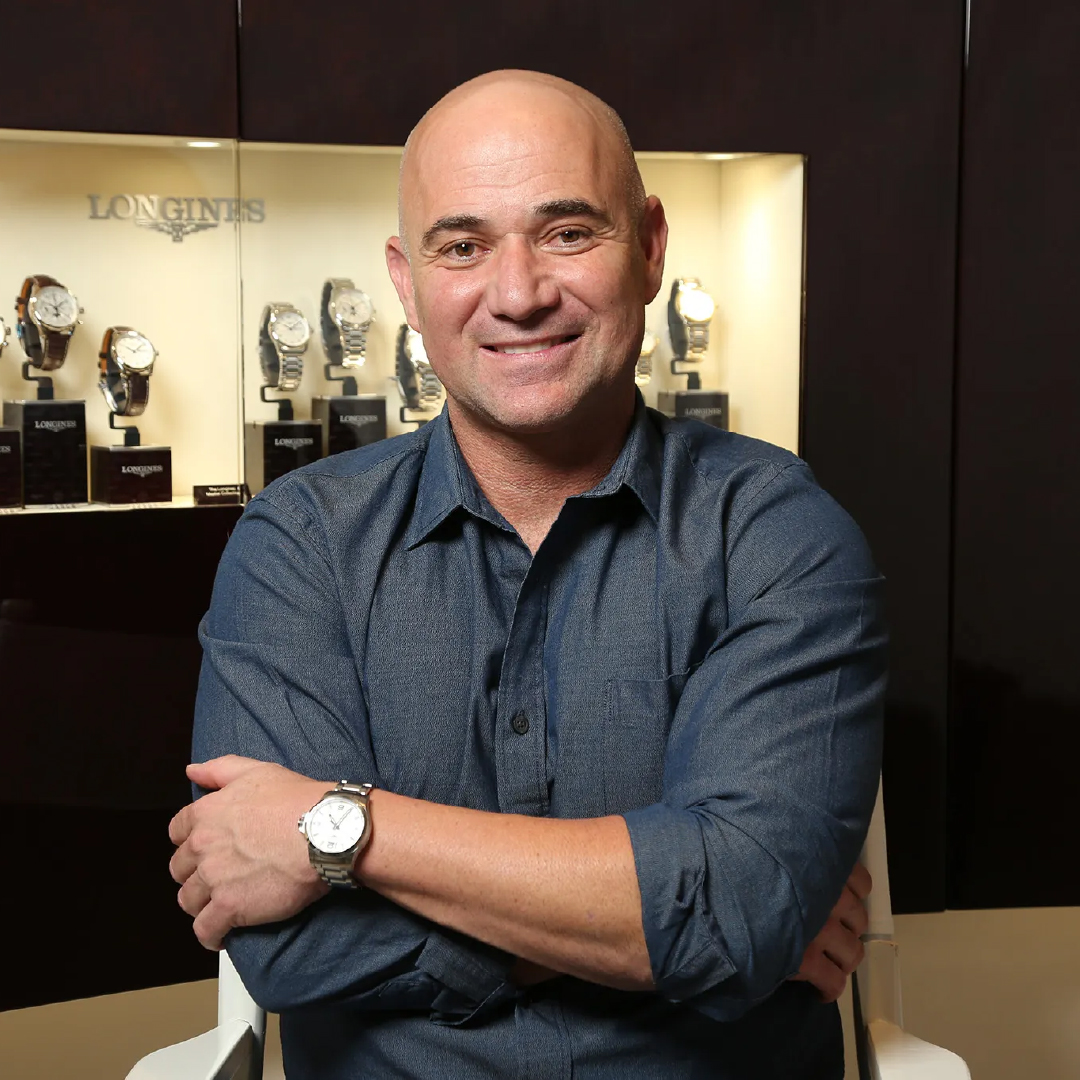
Since 2007, Agassi has been an Ambassador of Elegance for Longines, but the phrase feels less like a title and more like a culmination. Longines, with its emphasis on heritage, balance, and restraint, mirrors the man Agassi became. The watches he has been most closely associated with, particularly the Longines Conquest V.H.P., speak in the language of precision. Engineered to deviate by mere seconds a year, the V.H.P. is less about display and more about discipline - a quality that defined Agassi’s later career.
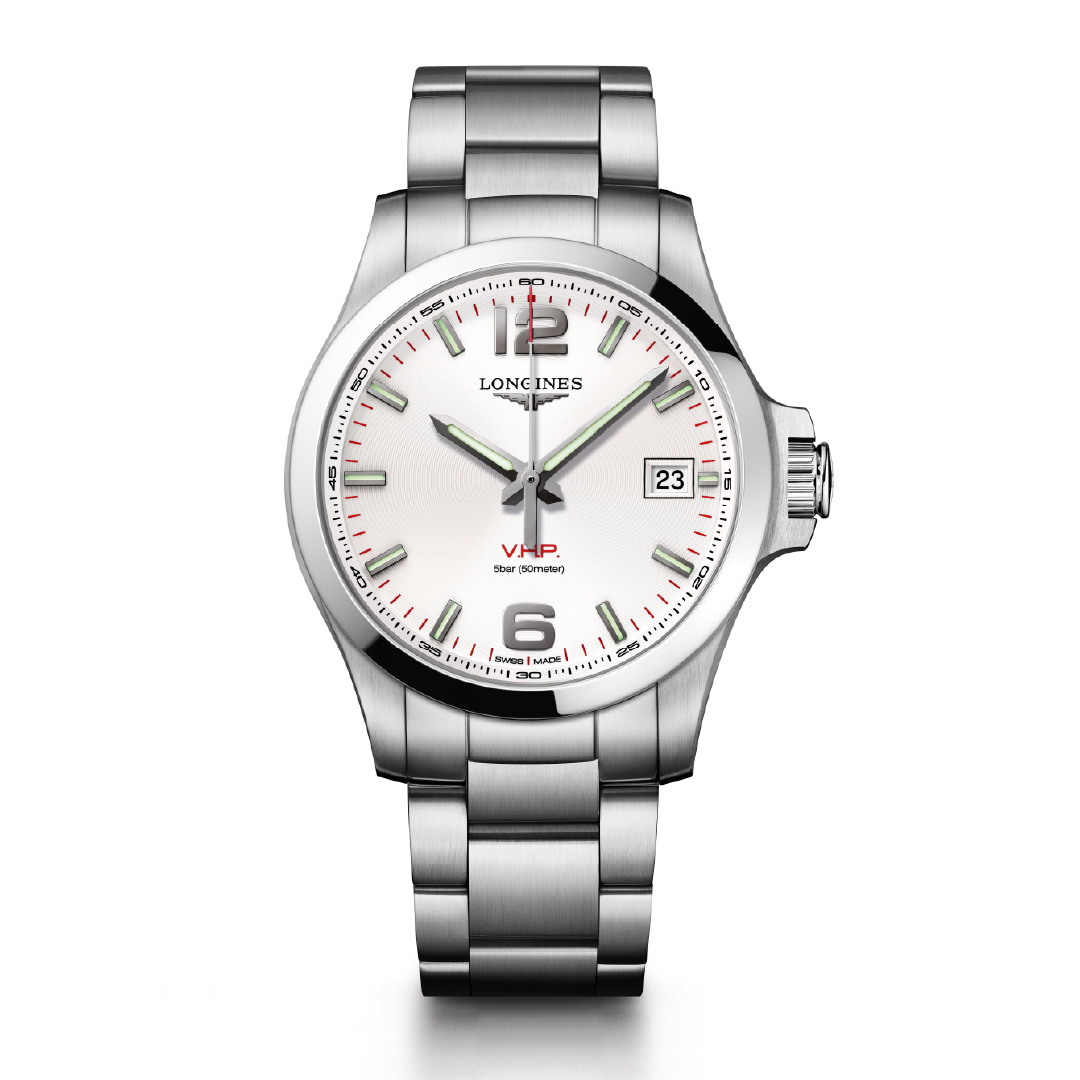
There is something almost poetic in this alignment. Tennis at the highest level is a study in timing, in the delicate calibration of instinct and execution. The difference between triumph and loss often resides in a fraction of a second. The Conquest V.H.P., in its obsessive pursuit of accuracy, powered by a high performance quartz calibre, becomes a kind of horological analogue to Agassi’s game - a reminder that mastery lies not in excess, but in control.
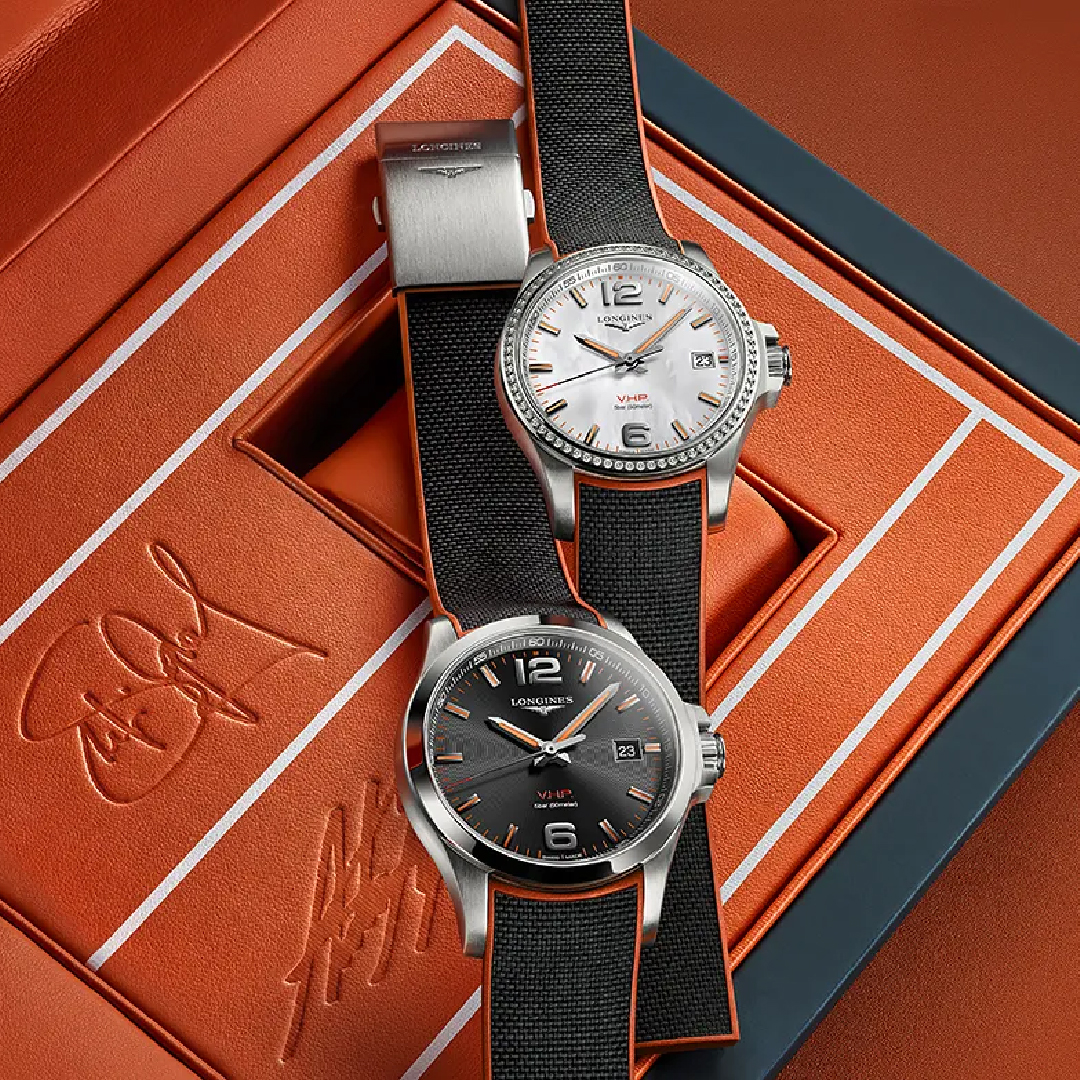
Yet, to reduce Agassi’s watch story to precision alone would be to miss its emotional depth. One of the more evocative pieces associated with him is a special Longines edition created to commemorate his eight Grand Slam victories. On its dial, a subtle gold “8” sits alongside the emblem of his foundation, transforming the watch into something more than a marker of time. It becomes a vessel of memory, a quiet acknowledgment that achievement, when held with grace, inevitably turns outward—toward purpose, toward legacy.
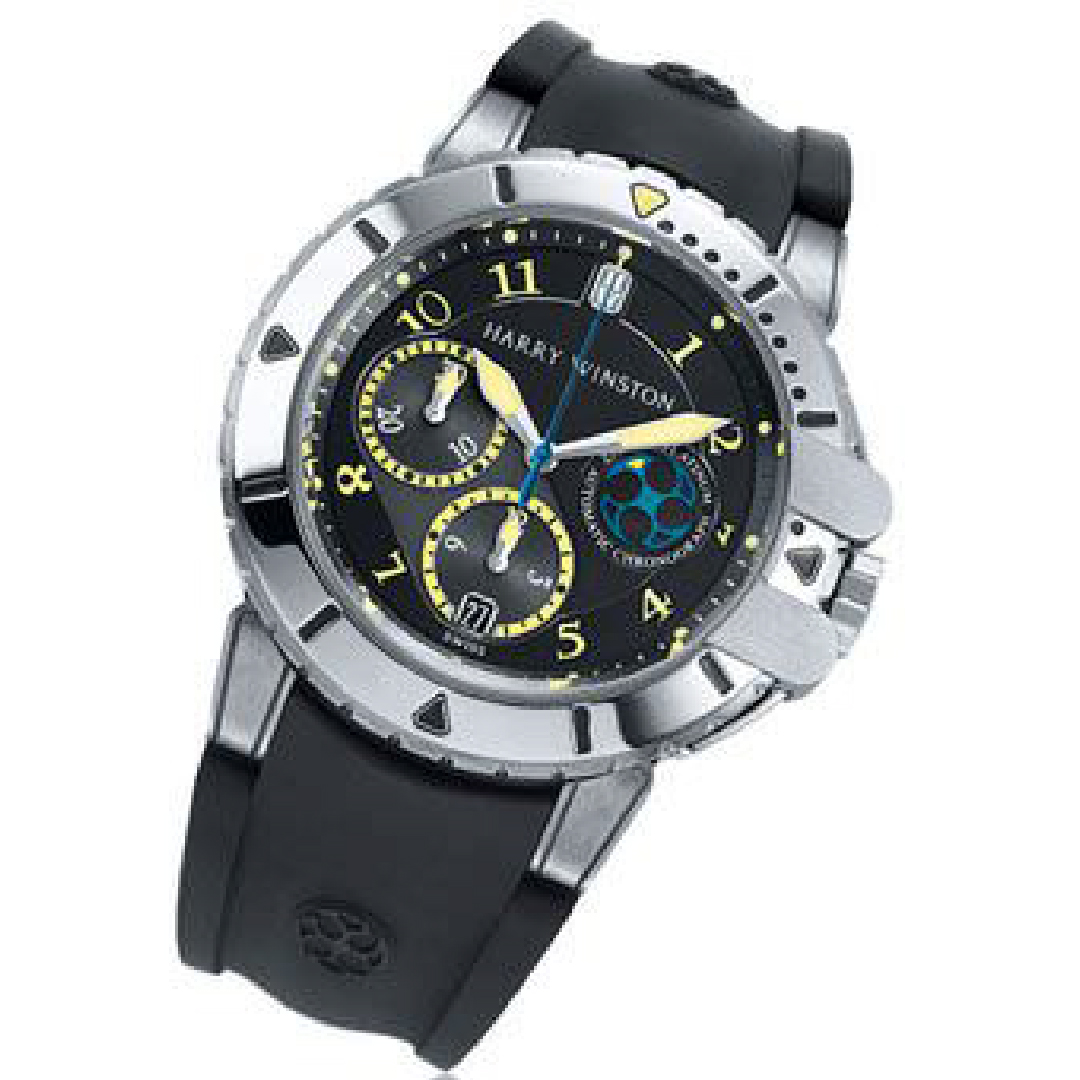
This movement from self to service finds further expression in his association with Harry Winston, where exclusive timepieces were created for charitable auctions benefiting the Grand Slam for Children. Here, the watch transcends its traditional role entirely. It is no longer an object of personal identity, but an instrument of impact - a way of translating time into tangible change.
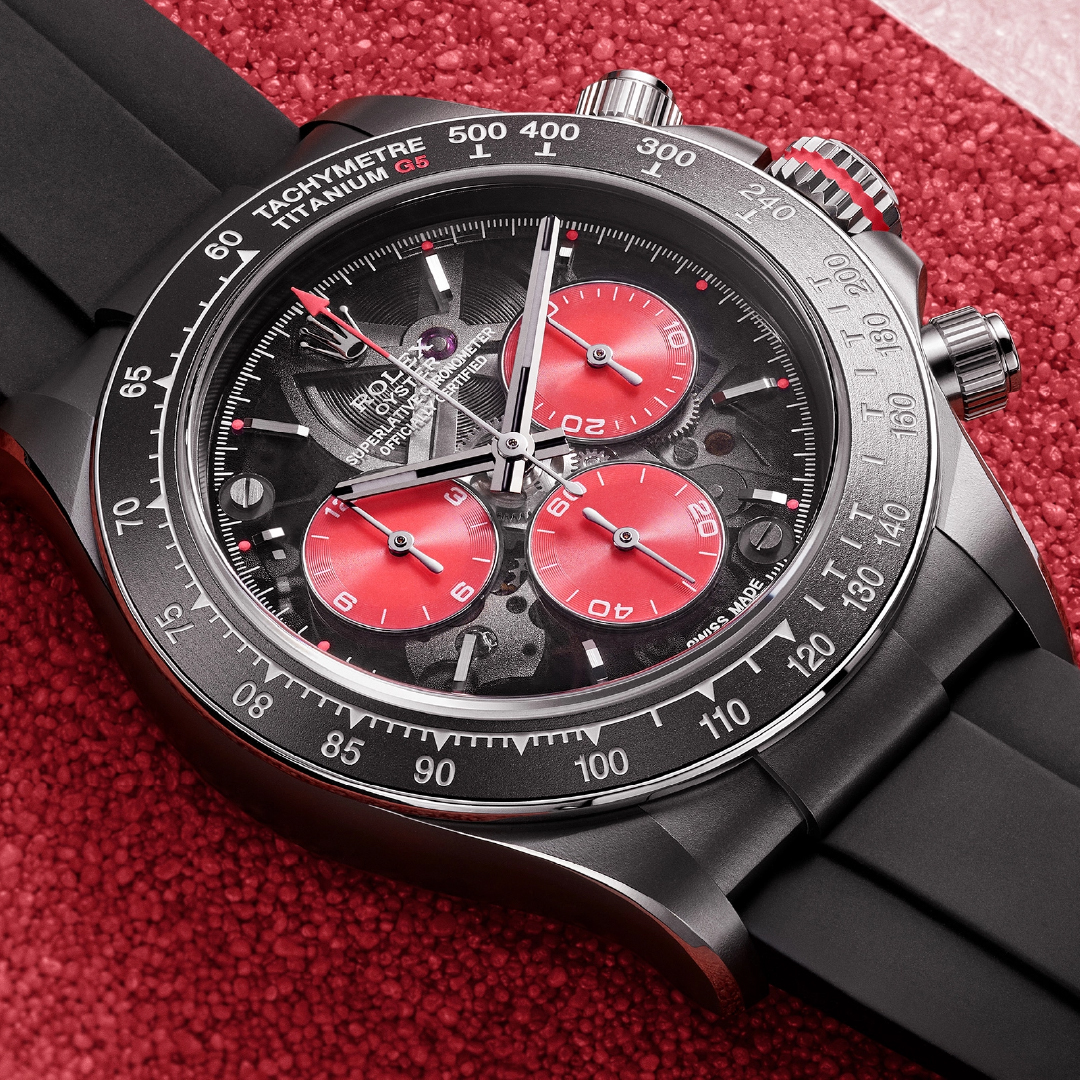
Then, just when the narrative seems to settle into elegance, Agassi reintroduces an element of surprise. In collaboration with Artisans de Genève, he co-created the “Agassi Challenge,” a piece that feels less like a product and more like a self-portrait. Skeletonized and rendered in titanium, it reveals its inner workings with unapologetic clarity. But it is the colour that lingers - the unmistakable “Hot Lava” accents, a direct echo of the aesthetic that once defined his rebellious youth.
It is here that the story comes full circle.
The young Agassi, all fire and defiance, is not erased. He is reframed, integrated into a larger narrative. The watch becomes a bridge between past and present, between the man who resisted time and the one who now inhabits it fully. It is a rare kind of elegance - the kind that does not deny contradiction, but absorbs it.
What makes Agassi’s relationship with watches so compelling is precisely this refusal to be singular. There is no one defining piece, no singular brand that encapsulates him. Instead, there is a continuum, a series of alignments that shift and evolve as he does. From the polished sportiness of Ebel to the cultural symbolism of Rolex, from the disciplined elegance of Longines to the deeply personal expression of Artisans de Genève, each chapter adds texture rather than replacing what came before.

In a world increasingly driven by immediacy, where time is flattened into notifications and fleeting impressions, the analogue watch remains one of the few objects that insists on depth. It ticks, it resists, it endures. It asks to be worn, not displayed; understood, not merely owned. Agassi, in his own evolution, embodies this same philosophy. He has moved from speed to stillness, from reaction to reflection, from the urgency of youth to the composure of experience.
There is a particular image that lingers, almost cinematic in its clarity: Agassi at the baseline, late in his career, the noise of the crowd receding into a distant hum. The moment stretches, expands, becomes almost tangible. In that suspended second, everything converges—the years of practice, the weight of expectation, the quiet acceptance of time’s passage. And then the ball is struck, clean and precise, and the moment dissolves.
It is in these fleeting intersections that both sport and watchmaking find their deepest meaning. Not in the measurement of time, but in the experience of it.
To wear a watch, in the truest sense, is to acknowledge time—not as an adversary, but as a companion. It is to accept its passage while finding ways to inhabit it fully. Agassi’s life, with all its reinventions and reconciliations, arrives at this understanding. His watches, varied as they are, reflect not just what he has achieved, but how he has chosen to engage with the passing of moments.
They do not define him. They do not need to.
They simply keep time - beautifully, precisely, and, like the man himself, with a quiet, enduring grace.
About the author | Shormila Bhowmick is a veteran Business & Lifestyle journalist. She is the founder of Mocha Ink Mag and the host of Mocha Talks podcast. A connoisseur of good life and conscious living, her column blends her literary taste in classics with the timelessness of timepieces.
There are athletes who win, and then there are those who evolve so completely that their lives begin to mirror the very idea of time - layered, precise, and quietly revelatory. Andre Agassi belongs to the latter group. His journey, so often told through victories and reinventions, can just as compellingly be traced through the watches that have accompanied him - objects that, in their own restrained language, echo a life lived in defiance, mastery, and ultimately, alignment.
In the early years, Agassi existed in a kind of beautiful excess. He was movement before meaning, energy before structure. The denim, the neon, the hair - everything about him suggested a refusal to be contained. Even his relationship with time felt rebellious, as though he were playing not within it but against it. During this period, his wrist often carried pieces from Ebel, a house that defined a certain polished sportiness in the 1990s. These watches, sleek yet expressive, mirrored the contradictions of the young Agassi - disciplined athlete, cultural disruptor, reluctant conformist.
Yet, even in that era of flamboyance, there were signals of something deeper. Tennis, after all, is an unforgiving dialogue with time. Points hinge on fractions of seconds; careers pivot on moments barely perceptible. Agassi’s early defiance carried within it the seeds of an eventual reckoning. One cannot outrun time indefinitely. One must, at some point, learn to understand it.
Success brought with it another layer of identity. As Agassi’s global presence expanded, so too did the symbolic language around him. Rolex appeared not as a defining allegiance but as an inevitable punctuation mark of arrival. To wear Rolex in that moment was to participate in a shared cultural vocabulary of success - timeless, recognisable, almost archetypal. Yet even here, Agassi’s relationship remained fluid. He wore the idea without being absorbed by it, never allowing the object to eclipse the individual.
The real transformation began not with a watch, but with a shift inward. The hair disappeared, the colours softened, the noise receded. What emerged was not a diminished presence, but a distilled one. Agassi’s game became quieter, more precise, almost architectural in its clarity. He began to take the ball earlier, to read time rather than resist it. And it is in this phase that his long-standing association with Longines finds its deepest resonance.
Since 2007, Agassi has been an Ambassador of Elegance for Longines, but the phrase feels less like a title and more like a culmination. Longines, with its emphasis on heritage, balance, and restraint, mirrors the man Agassi became. The watches he has been most closely associated with, particularly the Longines Conquest V.H.P., speak in the language of precision. Engineered to deviate by mere seconds a year, the V.H.P. is less about display and more about discipline - a quality that defined Agassi’s later career.
There is something almost poetic in this alignment. Tennis at the highest level is a study in timing, in the delicate calibration of instinct and execution. The difference between triumph and loss often resides in a fraction of a second. The Conquest V.H.P., in its obsessive pursuit of accuracy, powered by a high performance quartz calibre, becomes a kind of horological analogue to Agassi’s game - a reminder that mastery lies not in excess, but in control.
Yet, to reduce Agassi’s watch story to precision alone would be to miss its emotional depth. One of the more evocative pieces associated with him is a special Longines edition created to commemorate his eight Grand Slam victories. On its dial, a subtle gold “8” sits alongside the emblem of his foundation, transforming the watch into something more than a marker of time. It becomes a vessel of memory, a quiet acknowledgment that achievement, when held with grace, inevitably turns outward—toward purpose, toward legacy.
This movement from self to service finds further expression in his association with Harry Winston, where exclusive timepieces were created for charitable auctions benefiting the Grand Slam for Children. Here, the watch transcends its traditional role entirely. It is no longer an object of personal identity, but an instrument of impact - a way of translating time into tangible change.
Then, just when the narrative seems to settle into elegance, Agassi reintroduces an element of surprise. In collaboration with Artisans de Genève, he co-created the “Agassi Challenge,” a piece that feels less like a product and more like a self-portrait. Skeletonized and rendered in titanium, it reveals its inner workings with unapologetic clarity. But it is the colour that lingers - the unmistakable “Hot Lava” accents, a direct echo of the aesthetic that once defined his rebellious youth.
It is here that the story comes full circle.
The young Agassi, all fire and defiance, is not erased. He is reframed, integrated into a larger narrative. The watch becomes a bridge between past and present, between the man who resisted time and the one who now inhabits it fully. It is a rare kind of elegance - the kind that does not deny contradiction, but absorbs it.
What makes Agassi’s relationship with watches so compelling is precisely this refusal to be singular. There is no one defining piece, no singular brand that encapsulates him. Instead, there is a continuum, a series of alignments that shift and evolve as he does. From the polished sportiness of Ebel to the cultural symbolism of Rolex, from the disciplined elegance of Longines to the deeply personal expression of Artisans de Genève, each chapter adds texture rather than replacing what came before.
In a world increasingly driven by immediacy, where time is flattened into notifications and fleeting impressions, the analogue watch remains one of the few objects that insists on depth. It ticks, it resists, it endures. It asks to be worn, not displayed; understood, not merely owned. Agassi, in his own evolution, embodies this same philosophy. He has moved from speed to stillness, from reaction to reflection, from the urgency of youth to the composure of experience.
There is a particular image that lingers, almost cinematic in its clarity: Agassi at the baseline, late in his career, the noise of the crowd receding into a distant hum. The moment stretches, expands, becomes almost tangible. In that suspended second, everything converges—the years of practice, the weight of expectation, the quiet acceptance of time’s passage. And then the ball is struck, clean and precise, and the moment dissolves.
It is in these fleeting intersections that both sport and watchmaking find their deepest meaning. Not in the measurement of time, but in the experience of it.
To wear a watch, in the truest sense, is to acknowledge time—not as an adversary, but as a companion. It is to accept its passage while finding ways to inhabit it fully. Agassi’s life, with all its reinventions and reconciliations, arrives at this understanding. His watches, varied as they are, reflect not just what he has achieved, but how he has chosen to engage with the passing of moments.
They do not define him. They do not need to.
They simply keep time - beautifully, precisely, and, like the man himself, with a quiet, enduring grace.
About the author | Shormila Bhowmick is a veteran Business & Lifestyle journalist. She is the founder of Mocha Ink Mag and the host of Mocha Talks podcast. A connoisseur of good life and conscious living, her column blends her literary taste in classics with the timelessness of timepieces.


.png)
.png)
.jpg)