Join CHRONOHOLIC today!
All the watch news, reviews, videos you want, brought to you from fellow collectors
All the watch news, reviews, videos you want, brought to you from fellow collectors
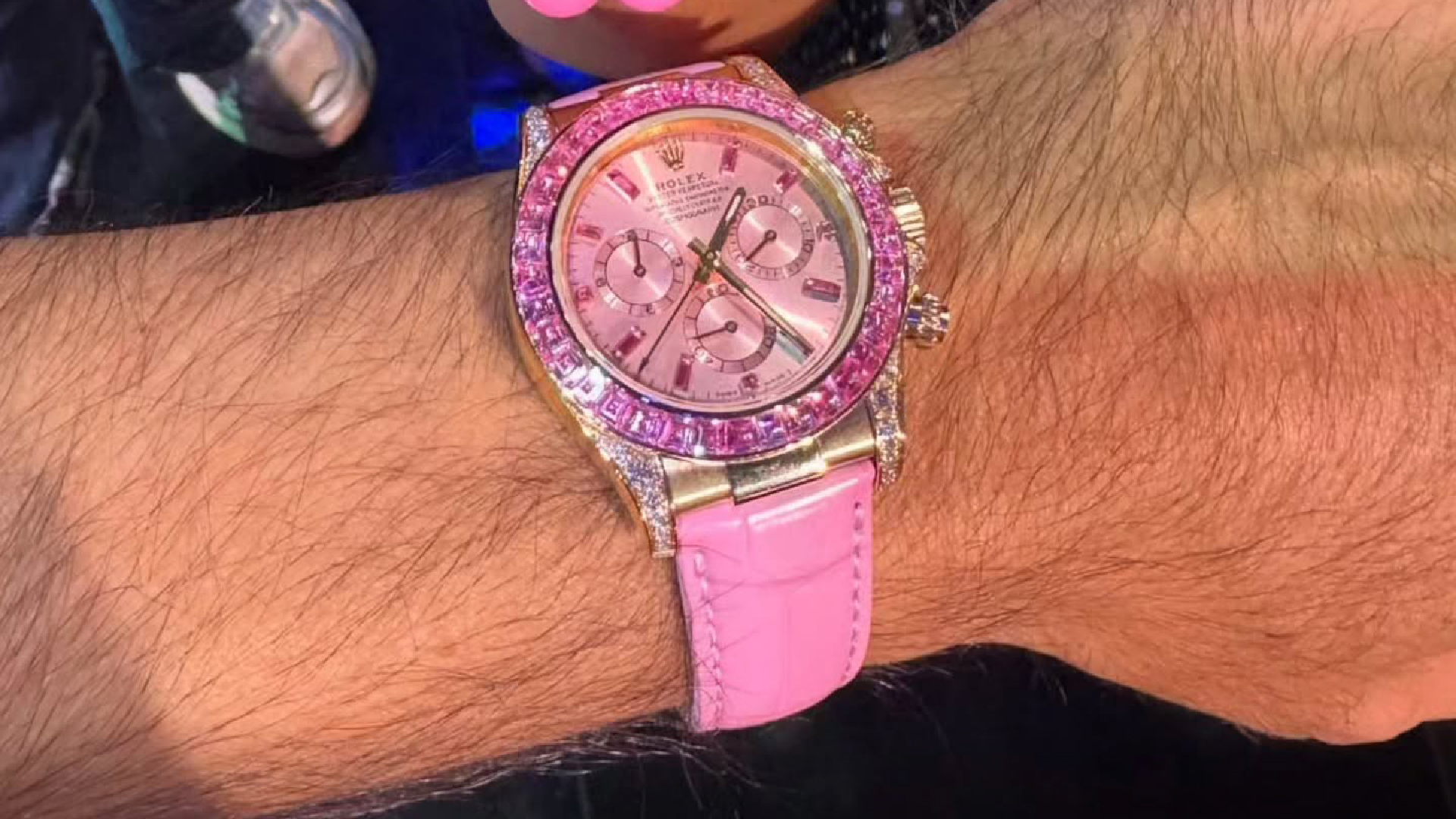

The modern luxury watch market thrives not merely on engineering, but on mythology. In this world, access is currency, scarcity is strategy, and ownership is narrative. Few timepieces in recent memory embody this interplay as vividly as the Rolex “Barbie” Daytona—a watch that exists somewhere between object and legend. When Badshah became the first Indian to own one, he hit the headlines. It was not just a transaction. It was a declaration—of arrival, of intent, and of India’s growing authority within the rarefied universe of global watch collecting.
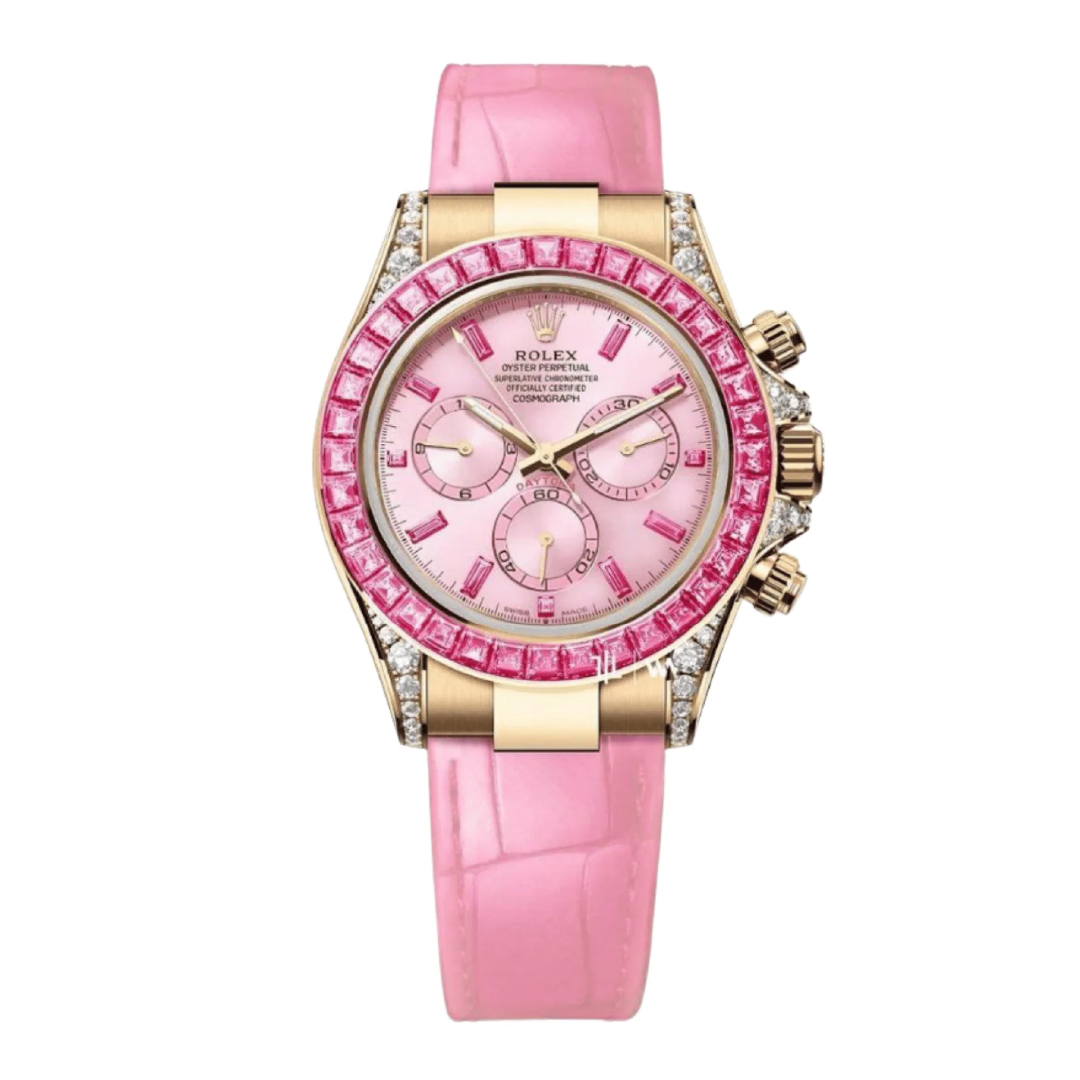
The “Barbie” Daytona does not belong to the visible world of luxury retail. It is not listed, not displayed, not marketed. There are no campaigns, no ambassadors formally attached to it. Instead, it circulates in hushed conversations, in private showings, in the invisible corridors where Rolex operates at its most exclusive. This is the brand at its most enigmatic—where desire is cultivated through absence, and ownership is granted, not purchased.
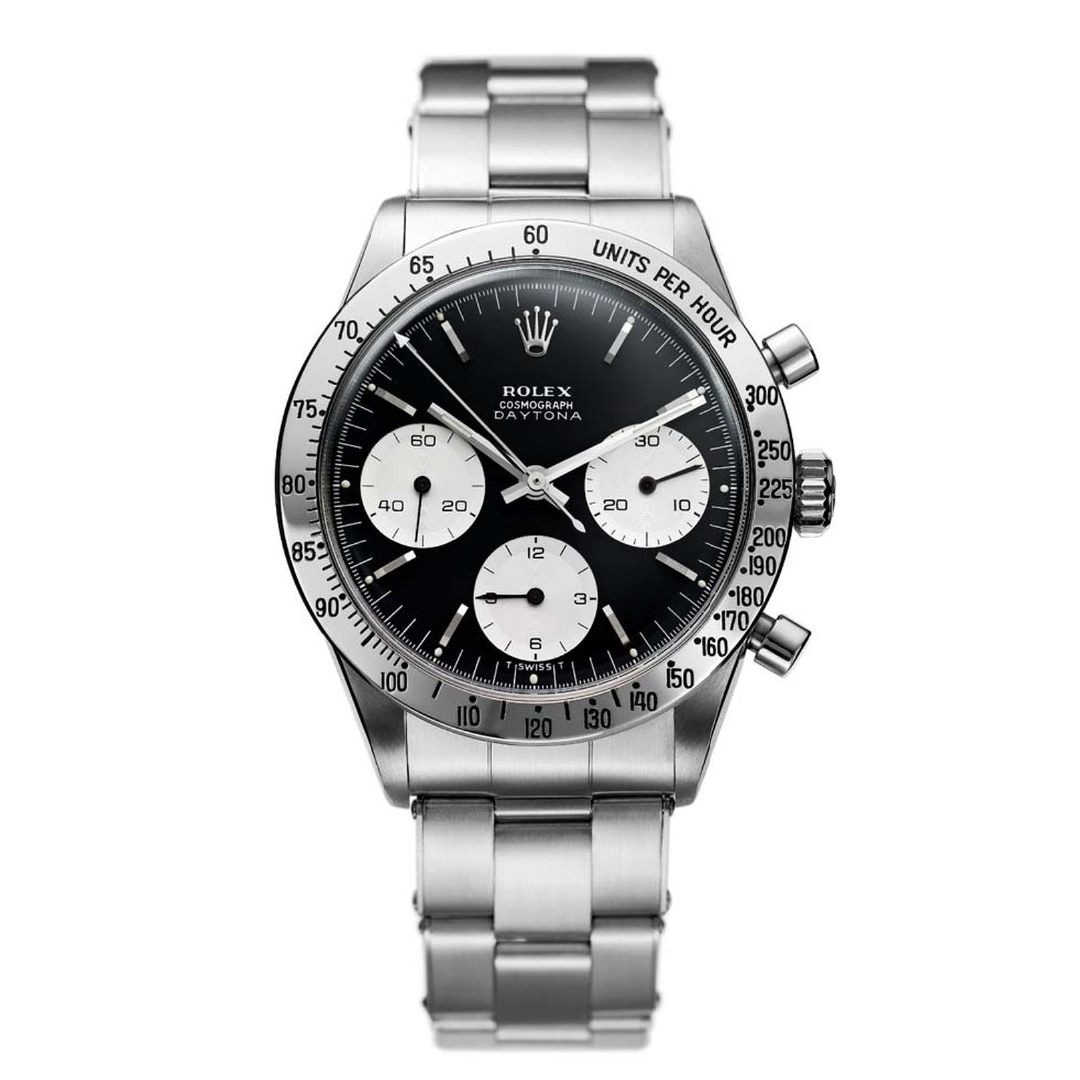
To understand the gravity of this piece, one must begin with the Rolex Daytona itself. Introduced in 1963, the Daytona was conceived as a tool for racing drivers—a chronograph built for precision, legibility, and endurance under pressure. Over decades, however, it transcended its functional origins to become the most coveted Rolex line, its appeal fueled by scarcity, celebrity association, and a relentless consistency in design philosophy. Certain Daytonas are collected; others are chased. A rare few, like this one, are whispered about.
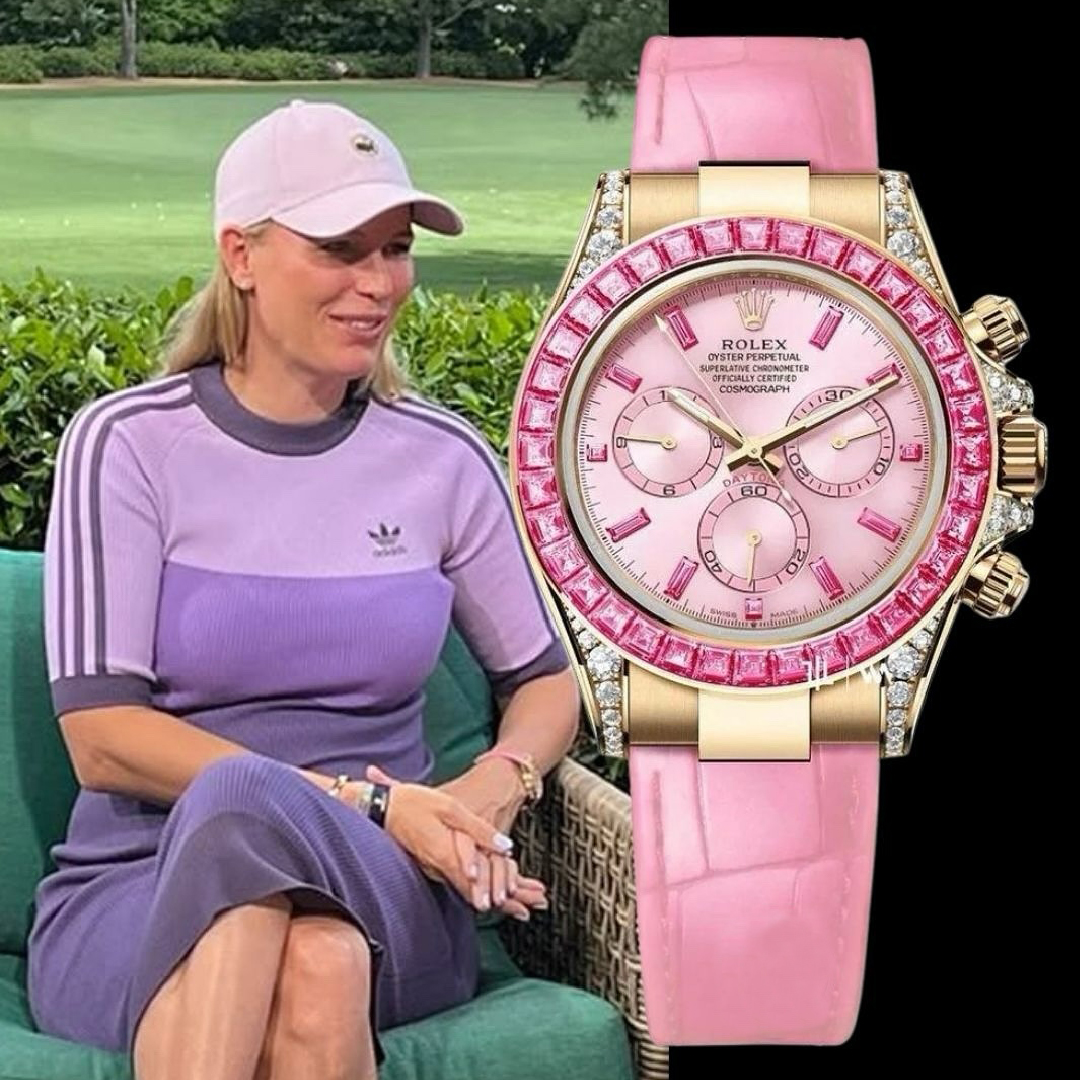
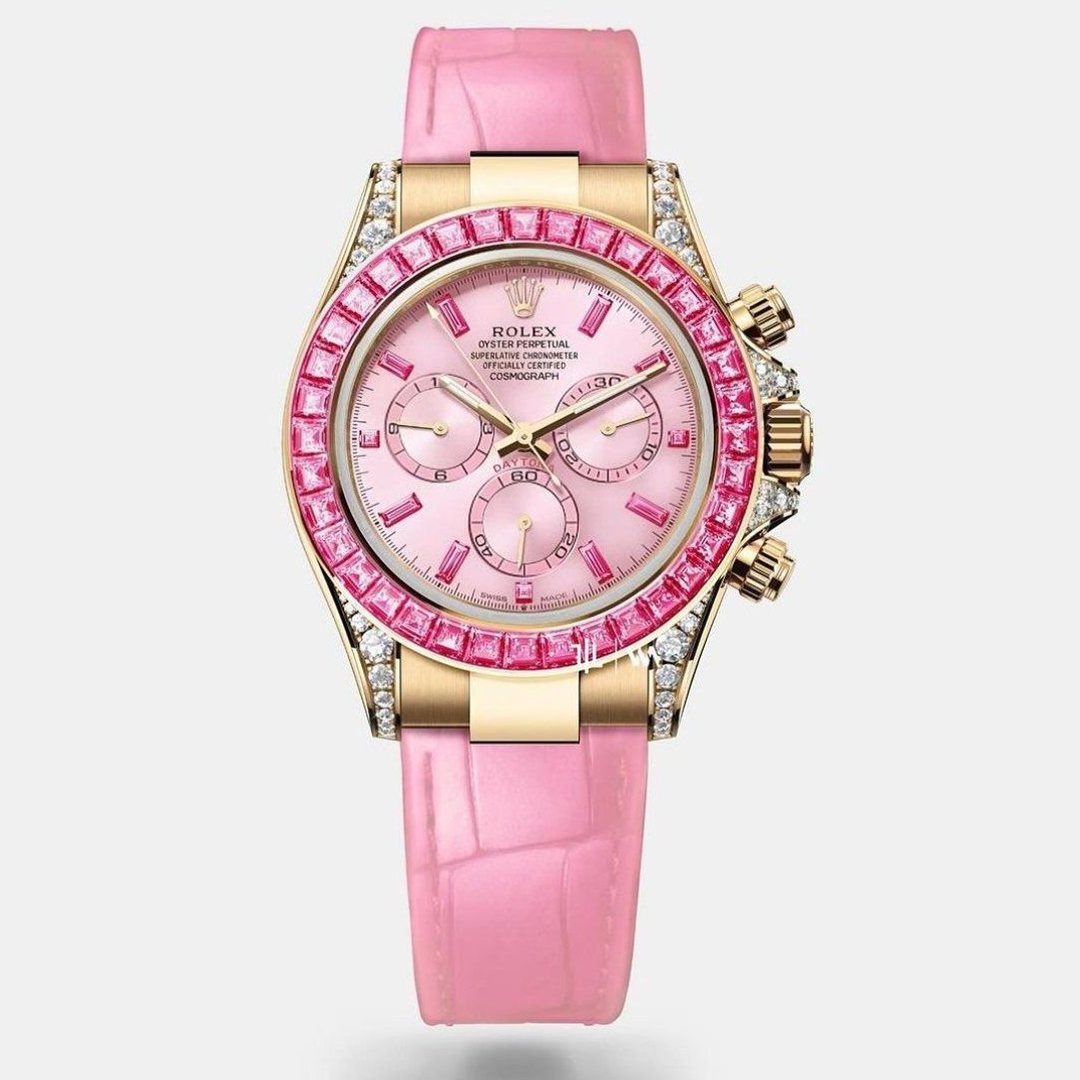
The “Barbie” iteration disrupts even this storied lineage. It is audacious in a way that feels almost subversive for Rolex. A dial rendered in a vivid, unapologetic pink. A bezel set with baguette-cut pink sapphires that catch light with theatrical precision. Hour markers that echo the same chromatic intensity. It is not a watch that seeks approval. It teases.
The timing of its emergence is no coincidence. The global cultural wave triggered by the Barbie phenomenon reframed pink from a mere aesthetic choice into a symbol of power, irony, and cultural fluency. The Daytona, in absorbing this energy, becomes more than a timepiece—it becomes a cultural artefact. It reflects a moment where luxury is no longer bound by restraint, but energized by expression.
Yet, for all its flamboyance, the watch remains deeply Rolex. Beneath its vibrant exterior lies the same disciplined engineering that defines the brand. Precision, reliability, and mechanical integrity remain untouched. This duality—between spectacle and substance—is what elevates the “Barbie” Daytona from novelty to significance. It is exuberance anchored in rigour.
Its rarity, however, is what transforms it into legend. Believed to exist in fewer than ten pieces globally, the watch operates in a realm where numbers are almost irrelevant. This is not limited production; this is near-mythical existence. You cannot request it. You cannot waitlist for it. You are either within the circle, or you are not.
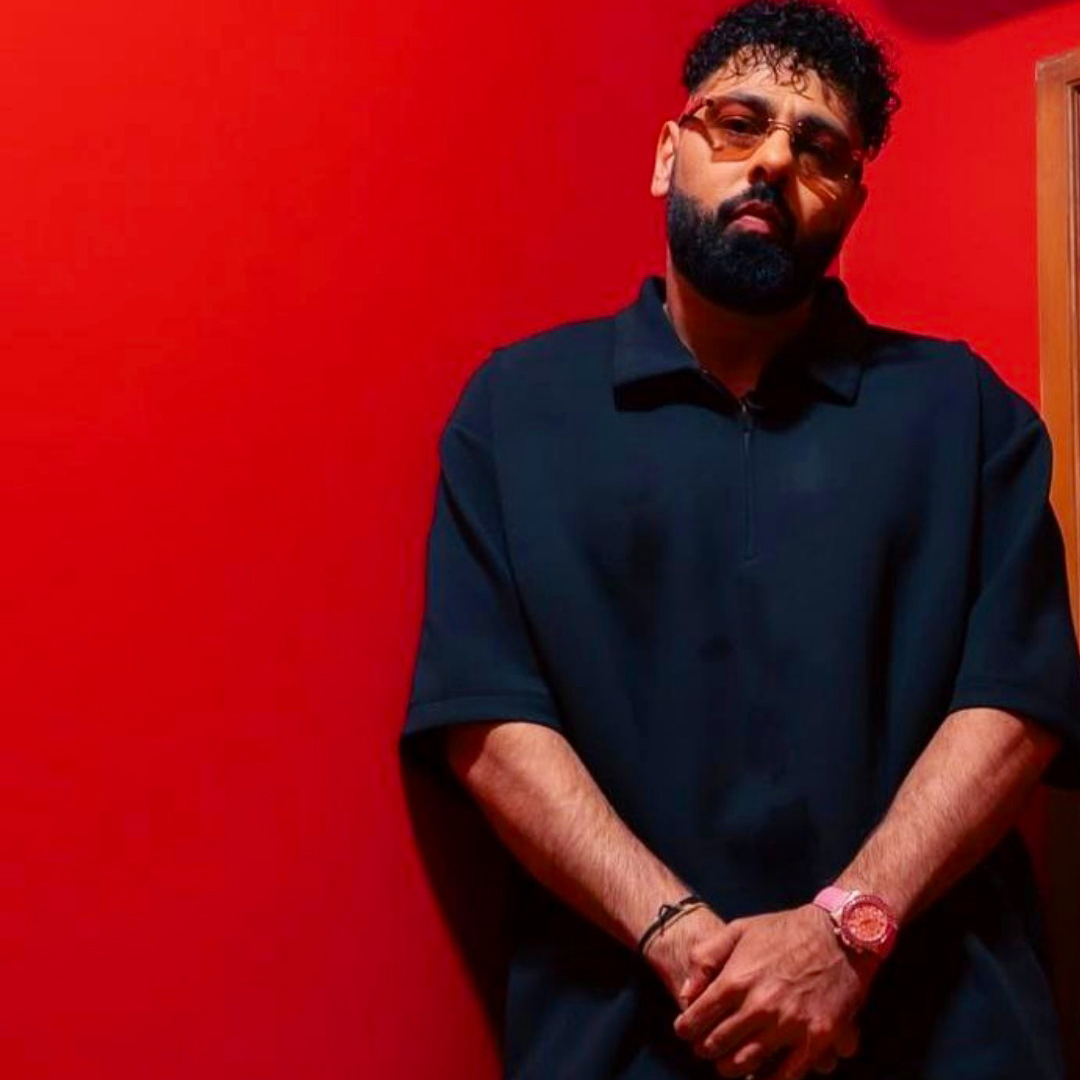
This is what makes Badshah’s acquisition so compelling. In a market where even access to a standard Daytona requires patience and relationships, owning a piece like this signals something far deeper. It speaks of proximity to the brand’s inner sanctum—a space reserved for those who are not just clients, but participants in its story.
Badshah’s persona aligns seamlessly with the watch’s character. As one of the defining voices of Indian hip-hop, he has built a career on confidence, reinvention, and cultural awareness. His aesthetic has always leaned toward the bold, the statement-making. But the “Barbie” Daytona is not merely an extension of style—it is an escalation. It positions him not just as a consumer of luxury, but as a curator of rarity.
This moment also reflects a broader shift in the geography of luxury. For decades, the epicenters of high watch collecting were concentrated in Europe, the United States, and parts of the Middle East. India, while significant, often remained on the periphery. That narrative is changing. Rapid wealth creation, coupled with increasing exposure to global luxury culture, has given rise to a new generation of Indian collectors—individuals who are not just participating, but influencing.
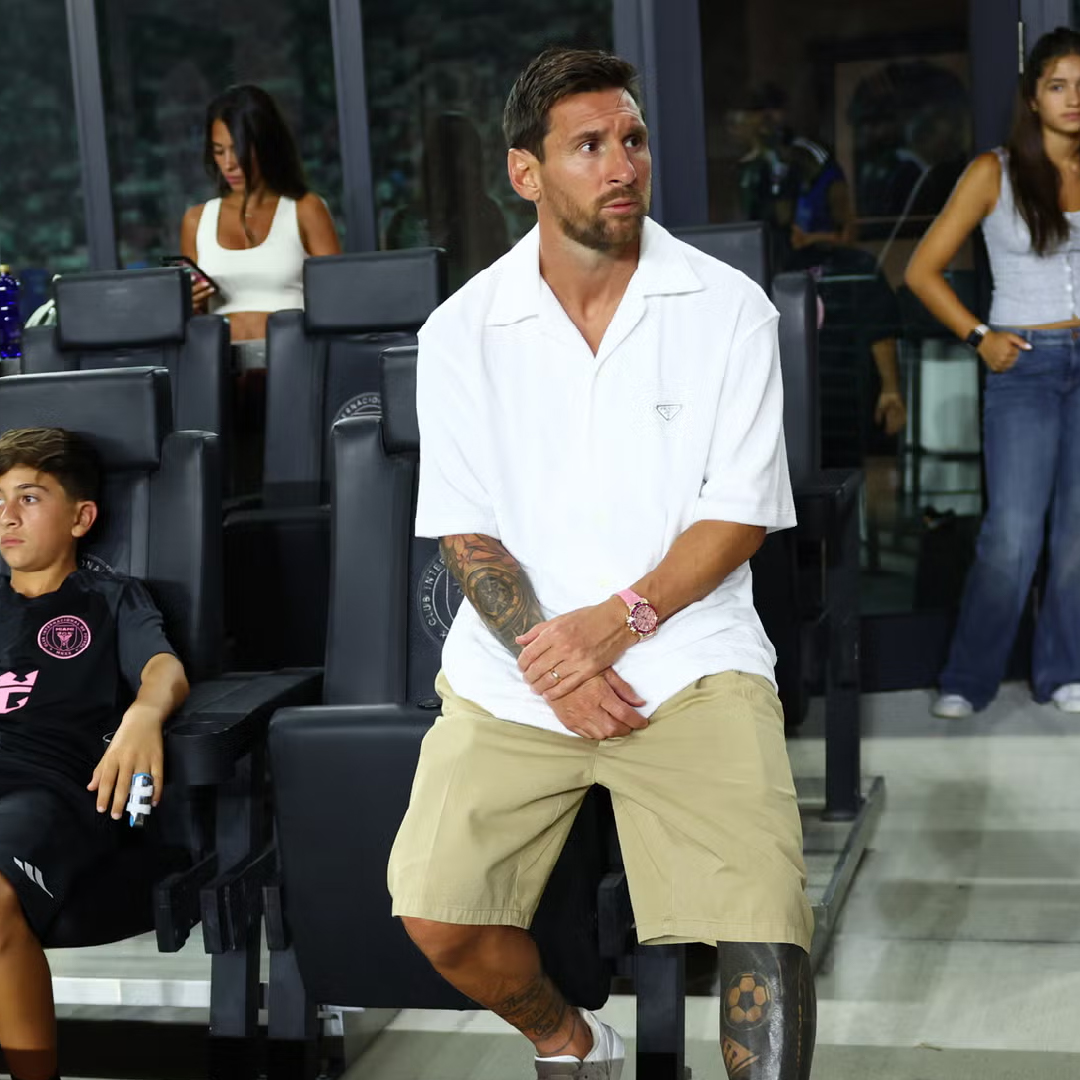
The presence of the “Barbie” Daytona on wrists like Lionel Messi further amplifies its cultural resonance. Messi, spotted wearing the watch during an Inter Miami match against FC Cincinnati, embodies a different kind of global influence—one rooted in sport, discipline, and universal appeal. His association with the piece adds another layer to its identity, bridging worlds that rarely intersect so seamlessly.
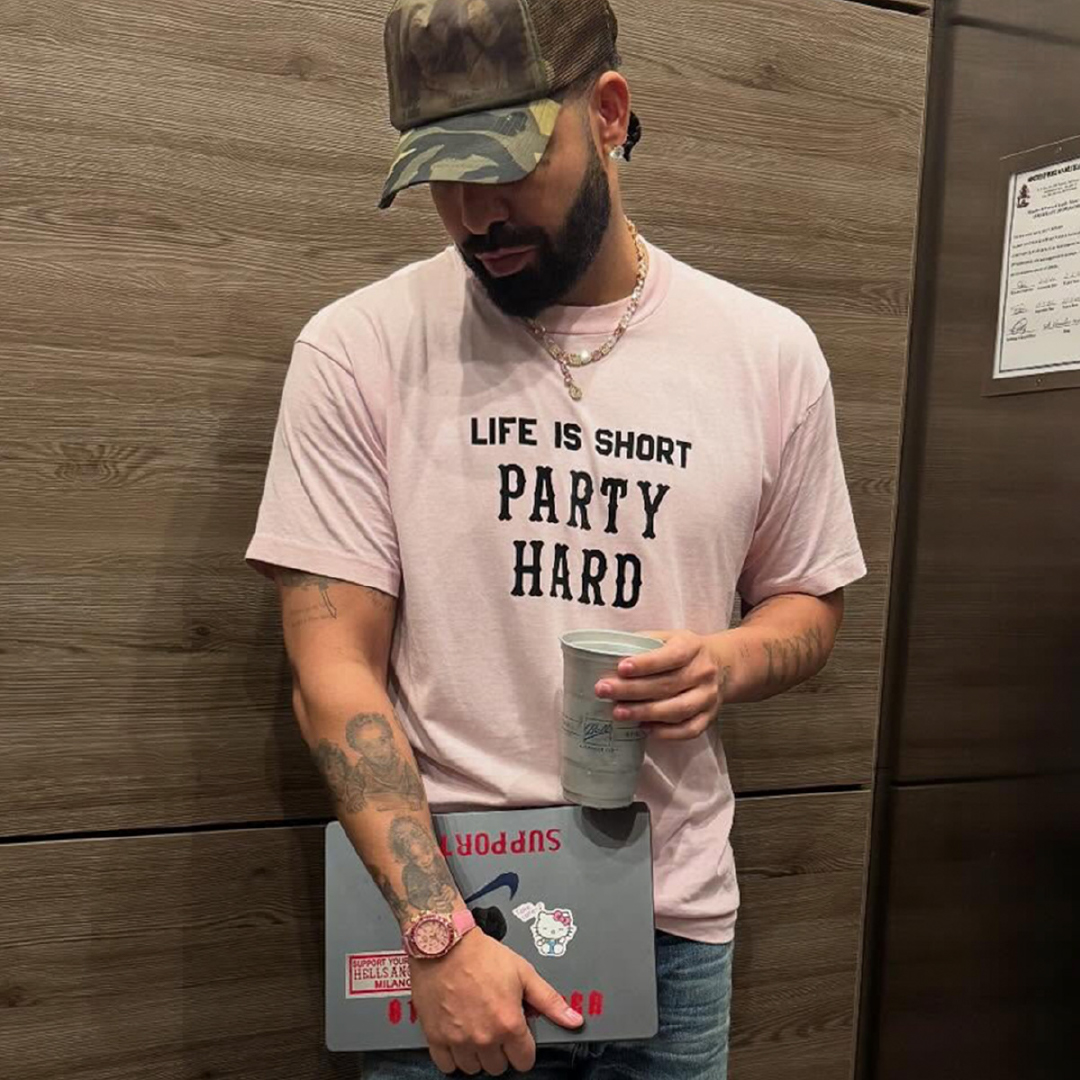
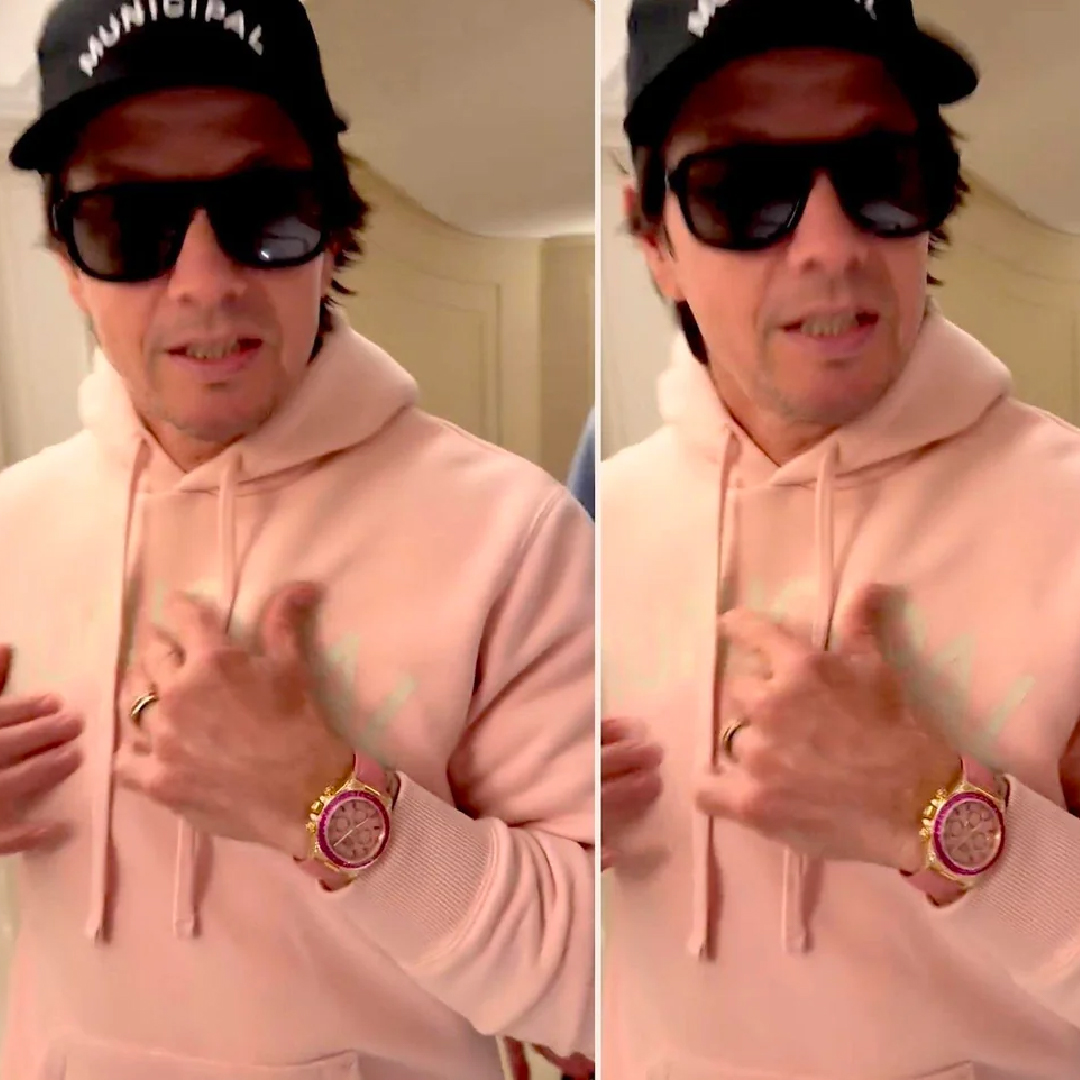
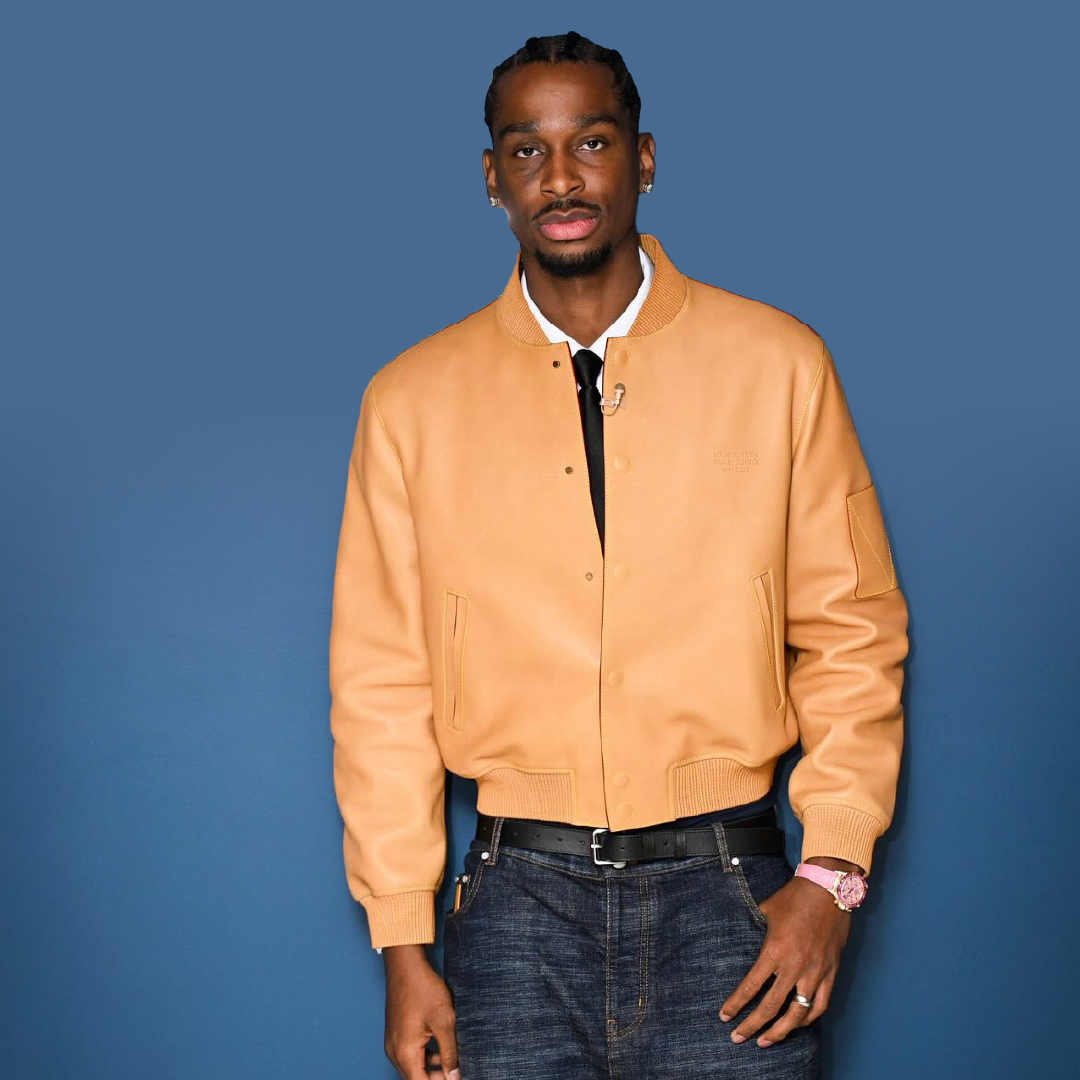
The watch’s orbit extends to a select constellation of names: Mark Wahlberg, Drake, Shai Gilgeous-Alexander, and Caroline Wozniacki. Each wearer brings their own narrative, reinforcing the Daytona’s role as a cross-cultural symbol. It is not confined to one domain; it travels across music, cinema, and sport with equal ease.
Financially, the watch underscores another defining aspect of contemporary horology—the convergence of passion and investment. With a retail price estimated at ₹3.56 crore, it already occupies the uppermost tier of luxury pricing. Yet, scarcity has propelled its market value to approximately ₹9 crore. This escalation is not merely speculative; it is a reflection of demand colliding with near-zero supply.
But to reduce the “Barbie” Daytona to its monetary value would be to misunderstand its essence. Its true significance lies in its ability to challenge conventions. Traditionally, luxury watches—especially those from Rolex—have adhered to a language of restraint. Steel, black, white, subtlety. This watch rejects that language. It embraces visibility, celebrates color, and redefines what high luxury can look like.
This evolution mirrors a larger cultural shift. In an era where identity is increasingly performed and shared, objects are no longer passive possessions. They are active expressions. Watches, once private markers of taste, have become public statements. They are photographed, dissected, and discussed. They live not just on wrists, but across digital platforms.
For Badshah, the “Barbie” Daytona becomes part of this larger narrative. It is not simply worn; it is communicated. It tells a story of access, of taste, of alignment with a global cultural moment. It positions him within a network of influence that transcends geography.
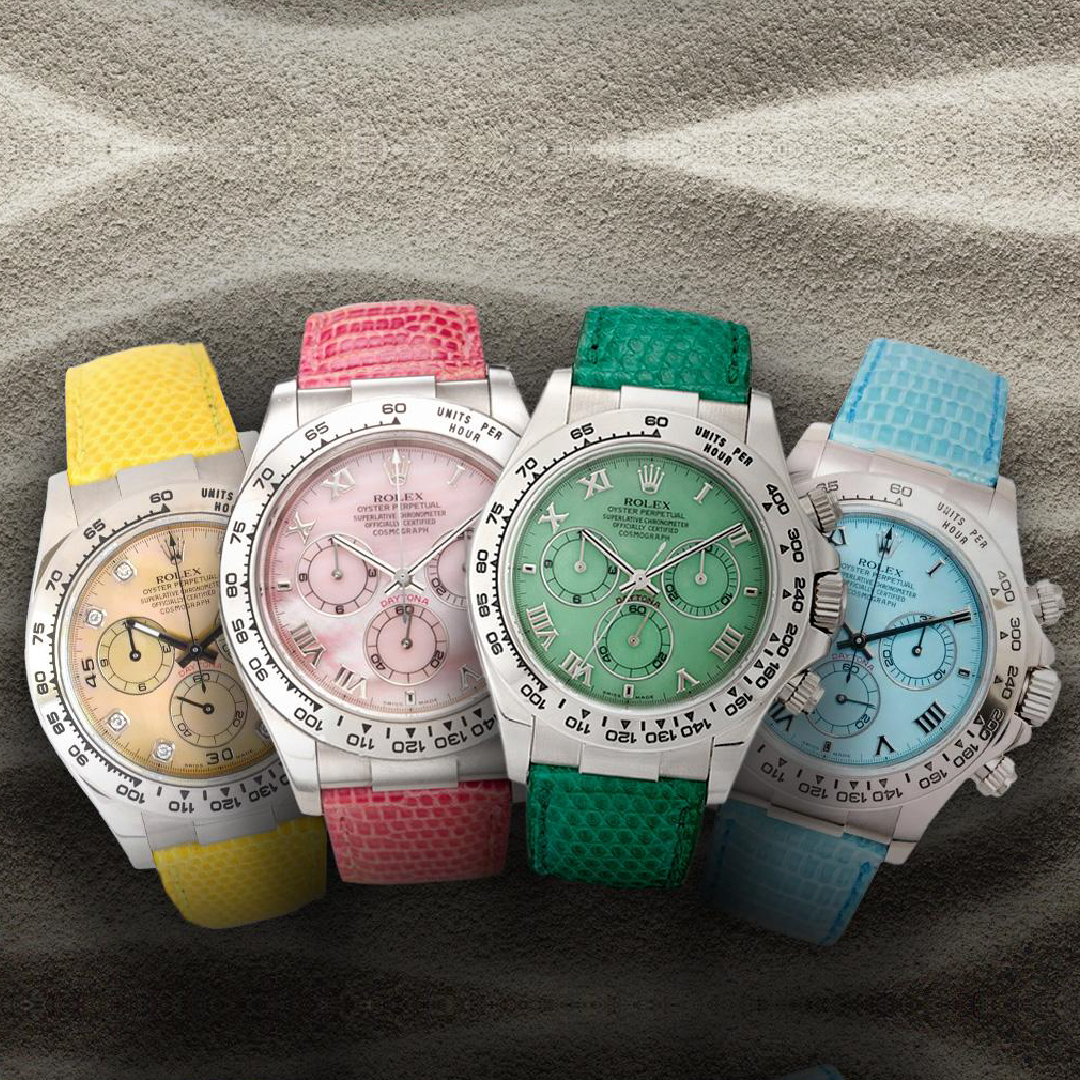
There is also a historical echo within the watch. The early 2000s saw the introduction of the Daytona “Beach” models—pieces that experimented with colour and unconventional materials. Initially polarizing, they have since become highly collectible, their rarity and distinctiveness driving demand. The “Barbie” Daytona can be seen as a contemporary evolution of that idea—taking the spirit of playful luxury and amplifying it for a new, more visually driven era.
Ultimately, the “Barbie” Daytona is not just about pink sapphires or limited numbers. It is about what happens when a heritage brand engages with the present without losing its core. It is about the tension between tradition and transformation, and it is about the individuals who recognize and embody that tension.
In owning this watch, Badshah does more than acquire a rare object. He participates in a narrative that is still unfolding—a narrative where luxury is becoming more expressive, more inclusive, and more globally interconnected.
Because in the end, the most powerful watches do not just tell time. They tell you exactly where you stand in it.
About the author | Shormila Bhowmik is a veteran Business & Lifestyle journalist. She is the founder of Mocha Ink Mag and the host of Mocha Talks podcast. A connoisseur of good life and conscious living, her column blends her literary taste in classics with the timelessness of timepieces.
The modern luxury watch market thrives not merely on engineering, but on mythology. In this world, access is currency, scarcity is strategy, and ownership is narrative. Few timepieces in recent memory embody this interplay as vividly as the Rolex “Barbie” Daytona—a watch that exists somewhere between object and legend. When Badshah became the first Indian to own one, he hit the headlines. It was not just a transaction. It was a declaration—of arrival, of intent, and of India’s growing authority within the rarefied universe of global watch collecting.
The “Barbie” Daytona does not belong to the visible world of luxury retail. It is not listed, not displayed, not marketed. There are no campaigns, no ambassadors formally attached to it. Instead, it circulates in hushed conversations, in private showings, in the invisible corridors where Rolex operates at its most exclusive. This is the brand at its most enigmatic—where desire is cultivated through absence, and ownership is granted, not purchased.
To understand the gravity of this piece, one must begin with the Rolex Daytona itself. Introduced in 1963, the Daytona was conceived as a tool for racing drivers—a chronograph built for precision, legibility, and endurance under pressure. Over decades, however, it transcended its functional origins to become the most coveted Rolex line, its appeal fueled by scarcity, celebrity association, and a relentless consistency in design philosophy. Certain Daytonas are collected; others are chased. A rare few, like this one, are whispered about.
The “Barbie” iteration disrupts even this storied lineage. It is audacious in a way that feels almost subversive for Rolex. A dial rendered in a vivid, unapologetic pink. A bezel set with baguette-cut pink sapphires that catch light with theatrical precision. Hour markers that echo the same chromatic intensity. It is not a watch that seeks approval. It teases.
The timing of its emergence is no coincidence. The global cultural wave triggered by the Barbie phenomenon reframed pink from a mere aesthetic choice into a symbol of power, irony, and cultural fluency. The Daytona, in absorbing this energy, becomes more than a timepiece—it becomes a cultural artefact. It reflects a moment where luxury is no longer bound by restraint, but energized by expression.
Yet, for all its flamboyance, the watch remains deeply Rolex. Beneath its vibrant exterior lies the same disciplined engineering that defines the brand. Precision, reliability, and mechanical integrity remain untouched. This duality—between spectacle and substance—is what elevates the “Barbie” Daytona from novelty to significance. It is exuberance anchored in rigour.
Its rarity, however, is what transforms it into legend. Believed to exist in fewer than ten pieces globally, the watch operates in a realm where numbers are almost irrelevant. This is not limited production; this is near-mythical existence. You cannot request it. You cannot waitlist for it. You are either within the circle, or you are not.
This is what makes Badshah’s acquisition so compelling. In a market where even access to a standard Daytona requires patience and relationships, owning a piece like this signals something far deeper. It speaks of proximity to the brand’s inner sanctum—a space reserved for those who are not just clients, but participants in its story.
Badshah’s persona aligns seamlessly with the watch’s character. As one of the defining voices of Indian hip-hop, he has built a career on confidence, reinvention, and cultural awareness. His aesthetic has always leaned toward the bold, the statement-making. But the “Barbie” Daytona is not merely an extension of style—it is an escalation. It positions him not just as a consumer of luxury, but as a curator of rarity.
This moment also reflects a broader shift in the geography of luxury. For decades, the epicenters of high watch collecting were concentrated in Europe, the United States, and parts of the Middle East. India, while significant, often remained on the periphery. That narrative is changing. Rapid wealth creation, coupled with increasing exposure to global luxury culture, has given rise to a new generation of Indian collectors—individuals who are not just participating, but influencing.
The presence of the “Barbie” Daytona on wrists like Lionel Messi further amplifies its cultural resonance. Messi, spotted wearing the watch during an Inter Miami match against FC Cincinnati, embodies a different kind of global influence—one rooted in sport, discipline, and universal appeal. His association with the piece adds another layer to its identity, bridging worlds that rarely intersect so seamlessly.
The watch’s orbit extends to a select constellation of names: Mark Wahlberg, Drake, Shai Gilgeous-Alexander, and Caroline Wozniacki. Each wearer brings their own narrative, reinforcing the Daytona’s role as a cross-cultural symbol. It is not confined to one domain; it travels across music, cinema, and sport with equal ease.
Financially, the watch underscores another defining aspect of contemporary horology—the convergence of passion and investment. With a retail price estimated at ₹3.56 crore, it already occupies the uppermost tier of luxury pricing. Yet, scarcity has propelled its market value to approximately ₹9 crore. This escalation is not merely speculative; it is a reflection of demand colliding with near-zero supply.
But to reduce the “Barbie” Daytona to its monetary value would be to misunderstand its essence. Its true significance lies in its ability to challenge conventions. Traditionally, luxury watches—especially those from Rolex—have adhered to a language of restraint. Steel, black, white, subtlety. This watch rejects that language. It embraces visibility, celebrates color, and redefines what high luxury can look like.
This evolution mirrors a larger cultural shift. In an era where identity is increasingly performed and shared, objects are no longer passive possessions. They are active expressions. Watches, once private markers of taste, have become public statements. They are photographed, dissected, and discussed. They live not just on wrists, but across digital platforms.
For Badshah, the “Barbie” Daytona becomes part of this larger narrative. It is not simply worn; it is communicated. It tells a story of access, of taste, of alignment with a global cultural moment. It positions him within a network of influence that transcends geography.
There is also a historical echo within the watch. The early 2000s saw the introduction of the Daytona “Beach” models—pieces that experimented with colour and unconventional materials. Initially polarizing, they have since become highly collectible, their rarity and distinctiveness driving demand. The “Barbie” Daytona can be seen as a contemporary evolution of that idea—taking the spirit of playful luxury and amplifying it for a new, more visually driven era.
Ultimately, the “Barbie” Daytona is not just about pink sapphires or limited numbers. It is about what happens when a heritage brand engages with the present without losing its core. It is about the tension between tradition and transformation, and it is about the individuals who recognize and embody that tension.
In owning this watch, Badshah does more than acquire a rare object. He participates in a narrative that is still unfolding—a narrative where luxury is becoming more expressive, more inclusive, and more globally interconnected.
Because in the end, the most powerful watches do not just tell time. They tell you exactly where you stand in it.
About the author | Shormila Bhowmik is a veteran Business & Lifestyle journalist. She is the founder of Mocha Ink Mag and the host of Mocha Talks podcast. A connoisseur of good life and conscious living, her column blends her literary taste in classics with the timelessness of timepieces.


.png)