Join CHRONOHOLIC today!
All the watch news, reviews, videos you want, brought to you from fellow collectors
All the watch news, reviews, videos you want, brought to you from fellow collectors
%20(1).jpeg)
In the forests of Shizuoka, the path narrows without seeking approval. It simply rises because that’s what mountains do. Cedar trunks close in. Mist gathers low, as if eager for some gossip. Somewhere above, unseen water strikes boulders with a patience that predates ambition.
Matazō is in a hurry, and urgency has a way of shortening judgment before it shortens lungs. He shifts the load on his back, and the trail shifts with him. Gravel loosens. The slope tilts. Gravity rushes in to meet the man.
When he wakes, he is at the bottom of a dale that smells of damp bark and iron. His leg refuses negotiation. The sky is a narrow ribbon between branches.
A weight moves with absolute certainty where no path exists.
A figure squints from the edge of the hollow. Broad. Indistinct in the mist. Hair or shadow. Man, or something the mountain chiselled out of its chest.
The shape steps down, lifts Matazō as if flesh were incidental, and climbs out.
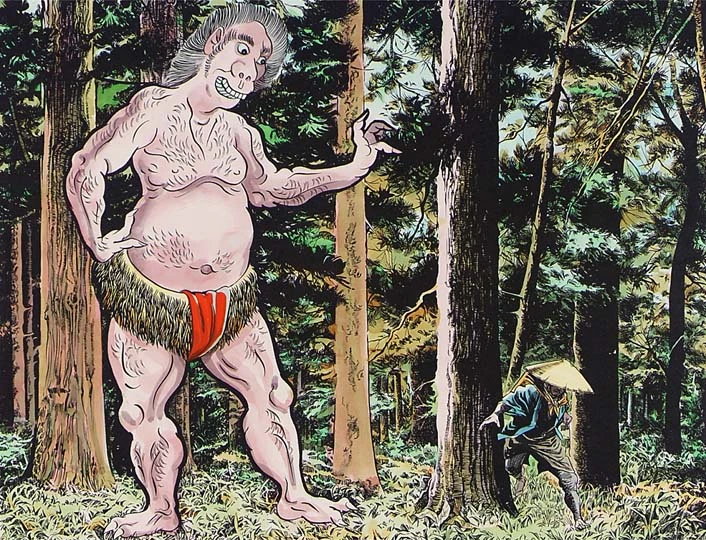
The stories call him Yama-otoko (山男). Mountain man.
In the retelling, he grows. A foot taller than the farmer. Then tall enough to block out the sky.
Folklore has always rewarded vertical exaggeration.
He does not take the coin.
He prefers sake.
He laughs like falling timber.
That is the legend.
Perhaps the mountain man was someone who belonged to the slope enough to disappear into it. A man who climbed not to conquer, but because staying below felt insufficient.
Long before summits were argued down to the last metre, men went up simply because the mountain was there, and because humans have never been particularly good at ignoring that sort of provocation.
But before the men? Snails.
O snail
climb Mount Fuji
but slowly, slowly
— Kobayashi Issa
Years pass. The mountain men are now photographed. Measured. Filed into reports.
We number the peaks and debate who stood where first.
The ascent, however, remains unchanged. A slow persistence.
Somewhere along the way, on a wrist that does not belong to folklore, something begins to tick. Accurately enough to remind the climber that while the mountain is timeless, the oxygen cylinder on their back is not.
“Because It’s There.
– George Mallory (Lost on Mount Everest in 1924, Body Recovered in 1999 at 8,156 mts)
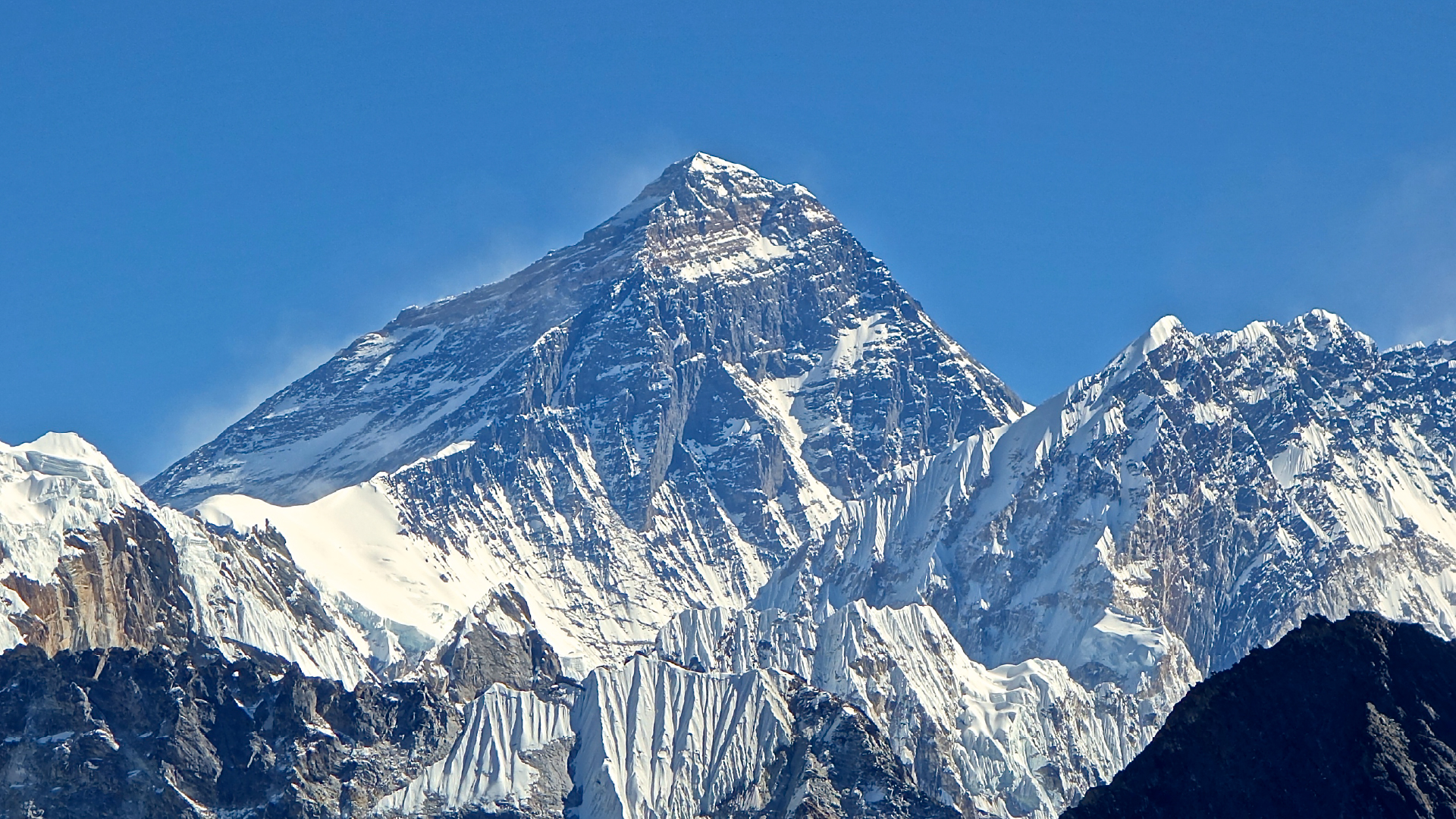
8,849 metres.
Eleven attempts.
Fourteen lives.
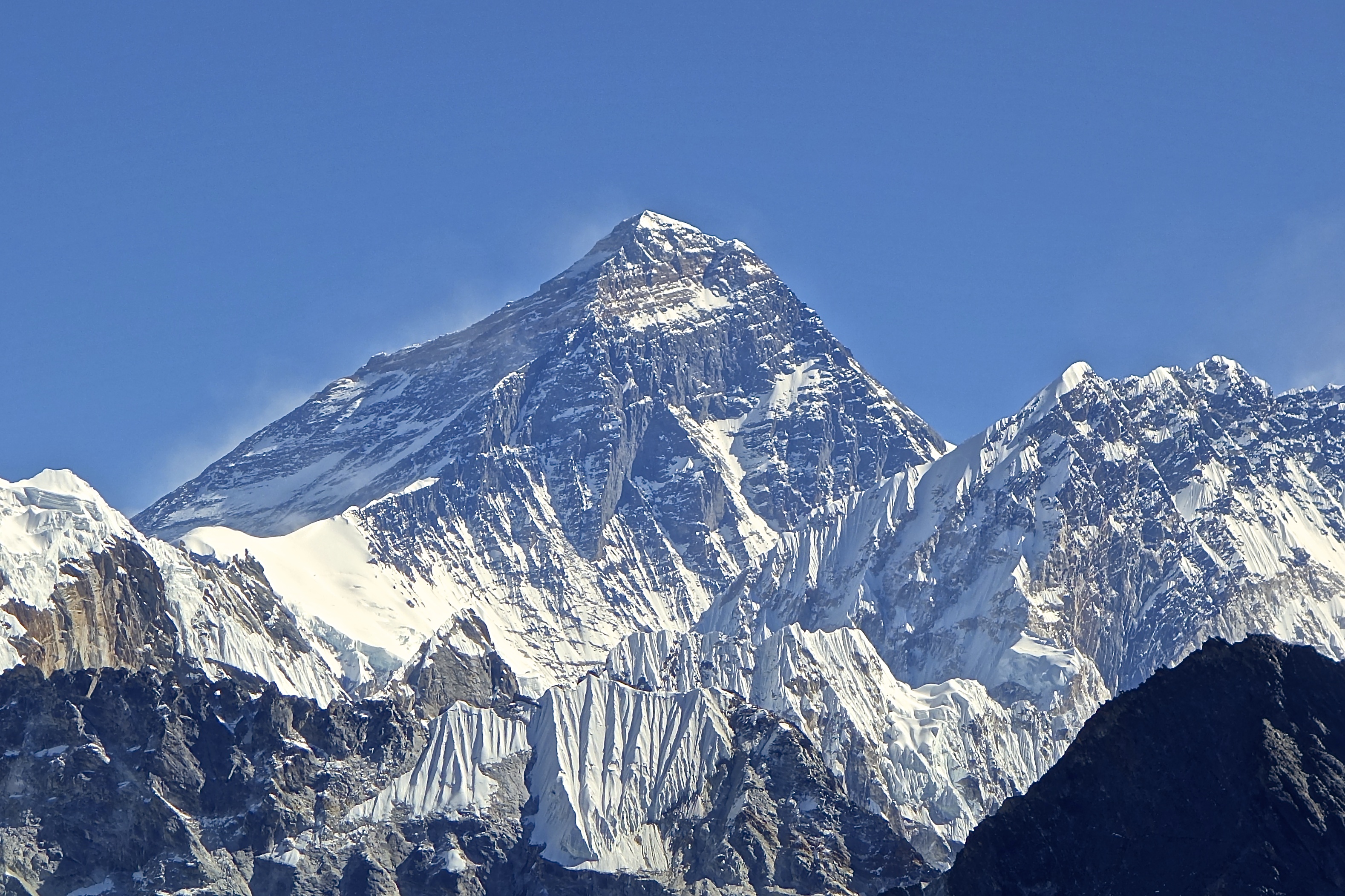
To the Sherpa, it was Chomolungma — Goddess Mother of the World. To London, it was unfinished business. A peak measured, mapped, and repeatedly refused.
In 1951, the legendary Eric Shipton had reconnoitred the route. Shipton was an alpinist of the old guard, a romantic who believed in lightweight, pure ascents. But by 1953, the crown wasn’t interested in romance anymore. So, the Royal Geographical Society quietly replaced him with Colonel John Hunt.
The man arrived with a small army. Hundreds of porters. Scores of Sherpas. And enough tonnage to wage a ground war in the clouds. He brought pressurised oxygen systems that looked as menacing as they were ungainly. He brought specialised boots, windproof suits, and enough calories to fuel a small town.
This was a military operation, and like any army, it marched on time.
Turnaround times were not suggestions. Oxygen flow was not aesthetic. A summit push without agreement on the hour was theatre, and most likely a tragic one.

Time had to be visible. Reliable. Indifferent to cold fingers and thinning air. The watches, this time, were not issued from a quartermaster’s crate. They were chosen.
A Smiths De Luxe travelled with the expedition. Thirty-two millimetres across. Legible. Built in Cheltenham. On summit day, Edmund Hillary wore one as a quiet assertion that British engineering had not entirely surrendered its voice.
Rolex supplied Oyster Perpetual models to members of the team. Steel cases. Automatic rotors. Movements already proven against water, now expected to behave in cold, thin air where lubrication thickens, and judgment thins.
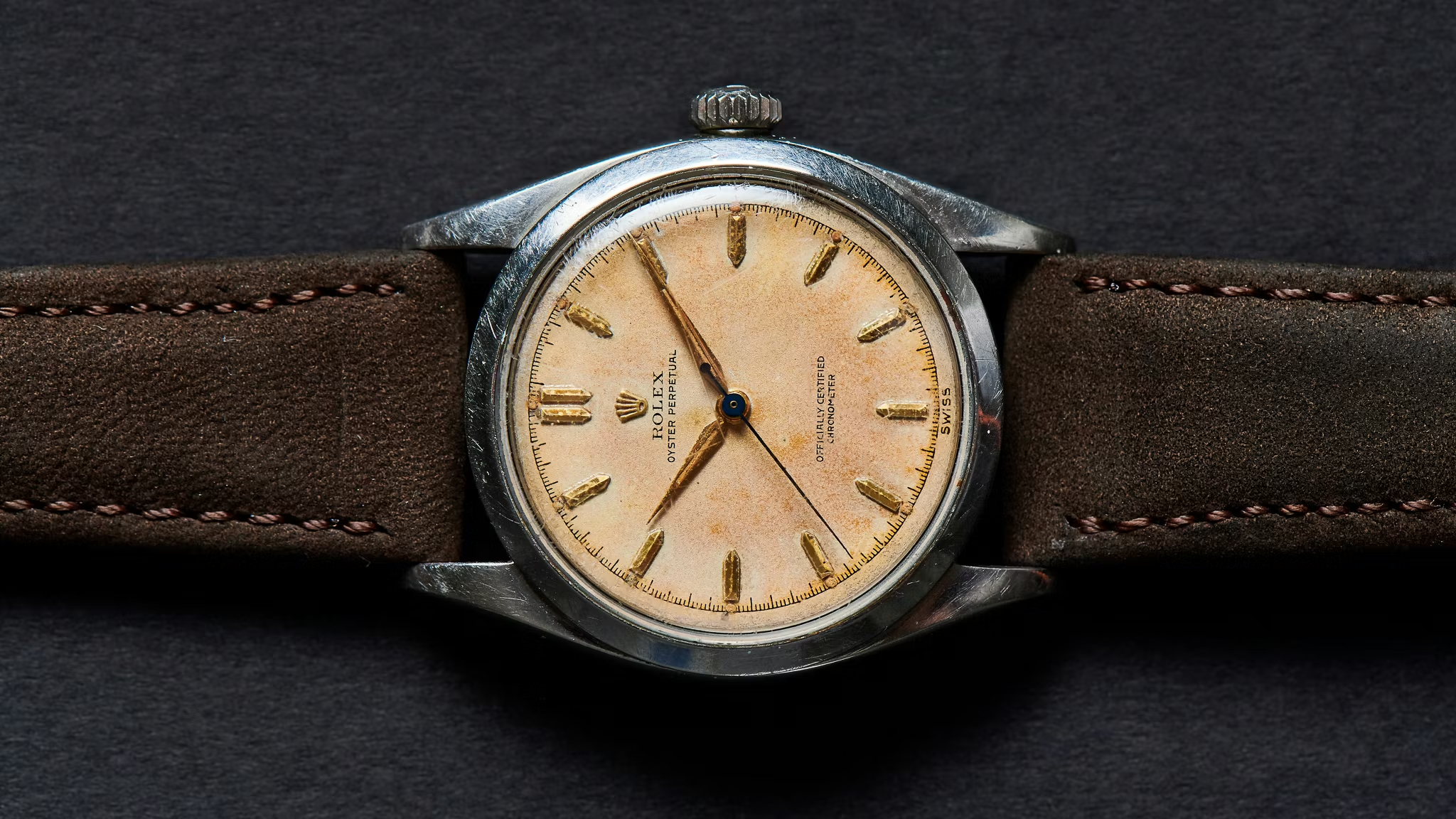
On 29 May 1953, Edmund Hillary and Tenzing Norgay stepped onto the summit. With them were watches that would later be mythologised. One would quietly take the name Explorer.
Today, we pick the watch, because we chose not to pick up the pickaxe or the oxygen cylinder. But on that ridge, at 8,849 metres, they were not symbols. They were instruments, and the question they answered was: “If we take this next step, will we make it back?”
In the Thin Places
Not every climb announced itself with headlines.
A year before Everest was finally persuaded to yield, twenty-six men sailed as north as it was humanly possible. The British North Greenland Expedition of 1952 was not about planting a flag. It was science conducted in a landscape that preferred silence and frostbite. For two years, they lived on the ice sheet, in temperatures that made metal brittle and conversation brief.
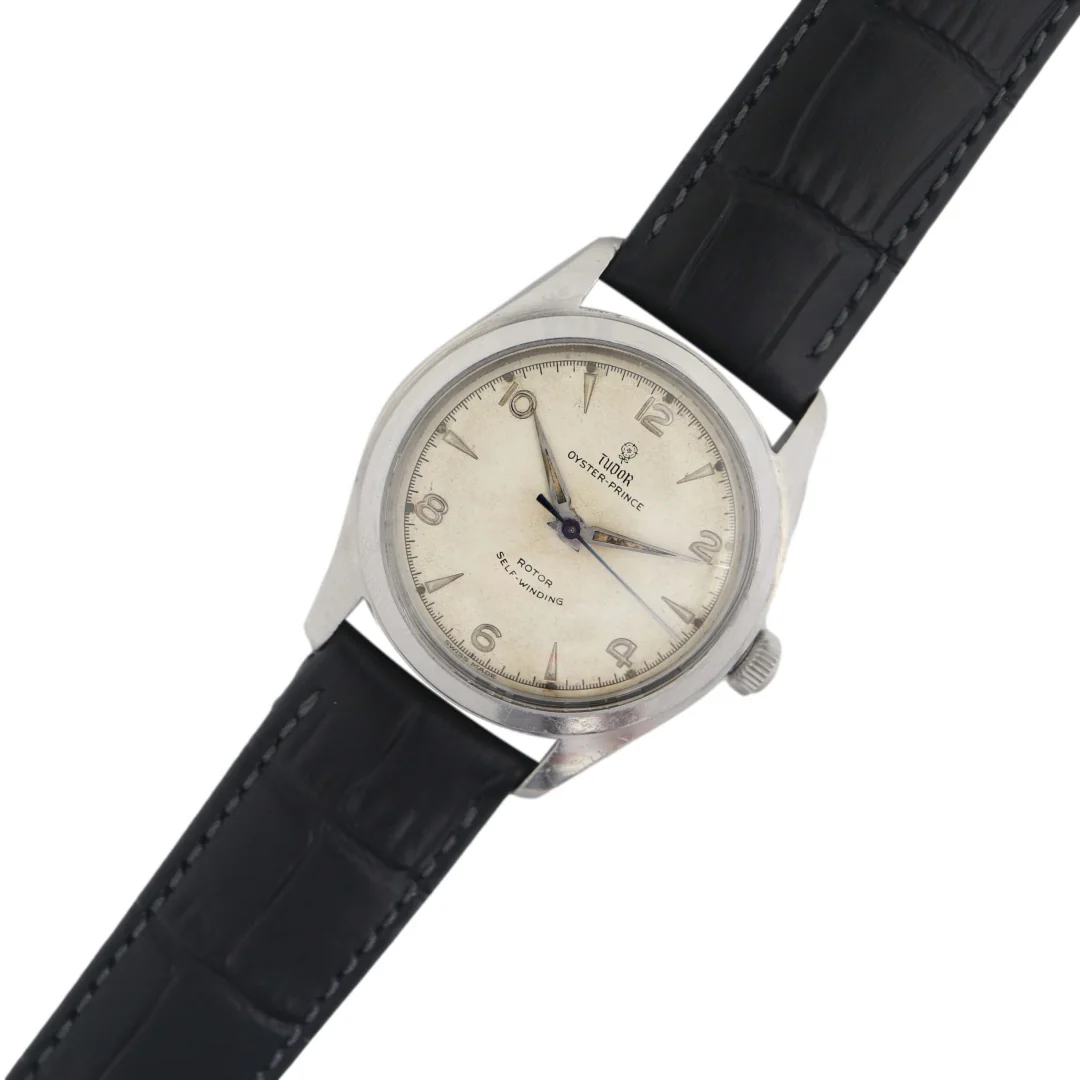
They wore Oyster Princes from Tudor. They were companions in a place where ink froze, diesel thickened, and the sun disappeared for months at a time. In that white expanse, time needed to be endured.
Further south, in the shadow cast by Everest’s mythology, another expedition moved with less ceremony and more resolve. In 1956, a Swiss team led by Albert Eggler returned to the Himalayas. Everest again, yes, but also Lhotse, harder, steeper, less inclined to tolerate error. Four men would stand on Everest. Two would become the first to stand on Lhotse.
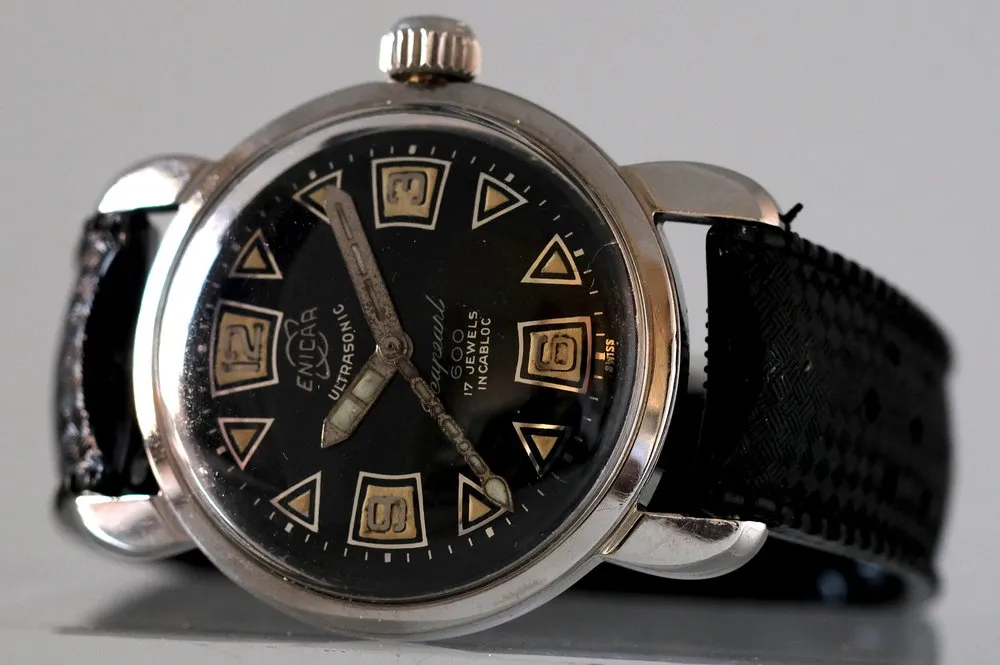
On their wrists were Enicar watches, models that would later adopt the name Sherpa.
At the time, the name mattered less than the decision. Men carried ropes, axes, oxygen cylinders, rifles, and radios. Tools that solved immediate problems and justified their weight in steel and canvas. Those tools fought the mountain.
The watch measured the cost of fighting it.
In the high, thin places, the only thing that does not negotiate is time. The weather can turn. Pride can bend. Routes can be abandoned. Minutes move in one direction. The watch becomes the visible edge of mortality, ticking against thinning air and fading light, present at the moment when a man must decide whether to turn back or take the next step.
Across ranges and ice sheets, in Andes camps and Alpine huts, watches travelled upward because the men who wore them had decided to go up. Different names. Different dials. Same wager.
To choose a watch for a mountain was to make a quiet assertion that while the peak might be indifferent, time would not be.
The Alpinists
But not all climbs are logistics. Or even a reminder of our mortality.
There are also those who climb because the mountain is there. These are men who approach the ascent as a spiritual wager, a long dialogue with something timeless. These are men who climb in tweed jackets, gabardine, and hobnailed boots. They smoke pipes at twenty thousand feet and write lyrical diary entries in freezing tents.
To them, the mountain is an adversary, yes, but also a friend.
In Japan, this breed of climber was stepping out of folklore and onto the weekend trains. By the late 1950s, the Yama-otoko was no longer a mythical giant hauling injured farmers out of the Shizuoka mist. He was a teacher. A clerk. A salaryman who traded his suit for canvas and rope on a Friday night, seeking the jagged sanctuary of the Japanese Alps.
Seiko saw him, and in 1959, they released a watch for this mountain man. They called it the Laurel Alpinist. It was a quiet triumph of situational engineering, built not for the summit, but for the trail. Even the dial paid homage to the terrain, with wedge-shaped markers at three, six, nine, and twelve that rose like the peaks themselves.
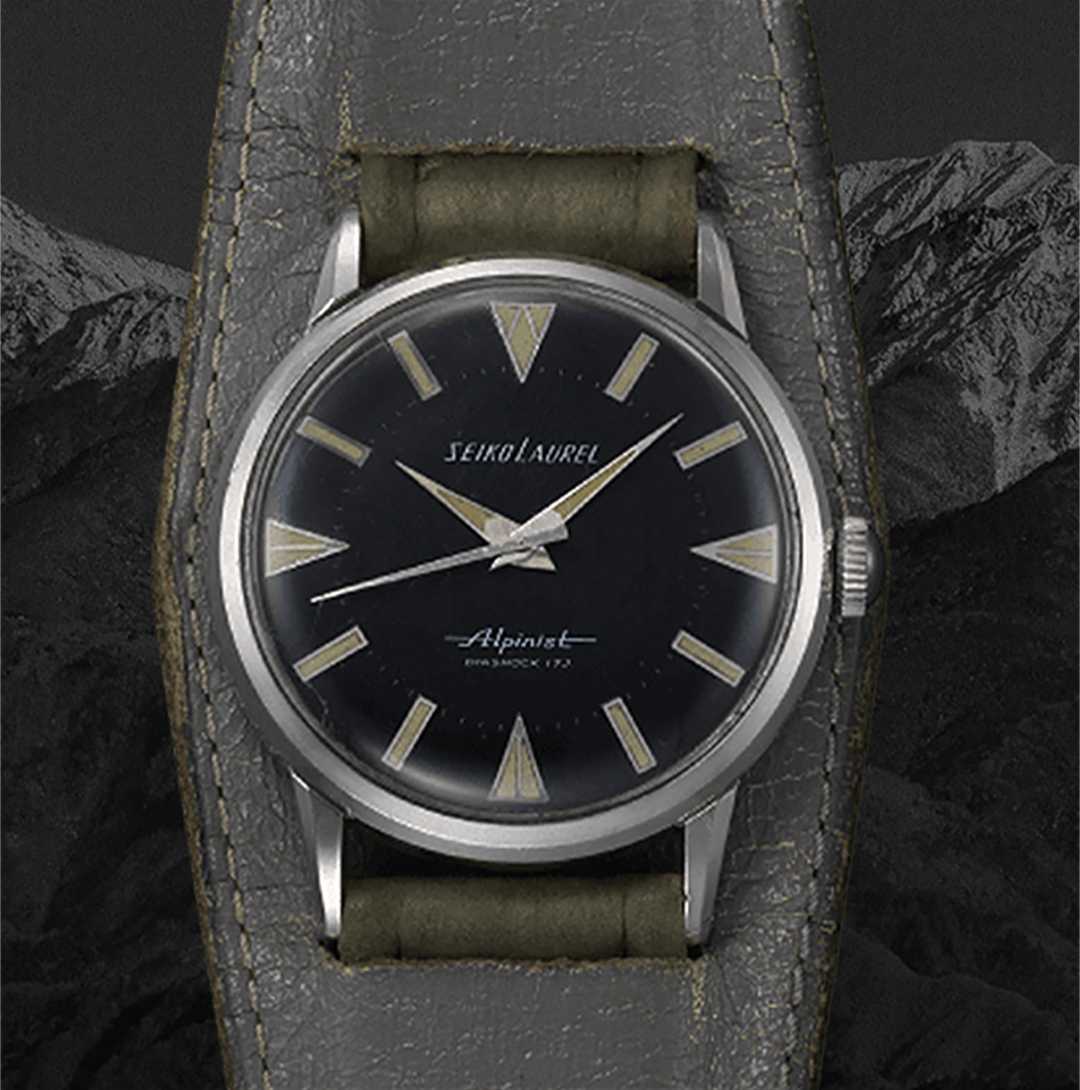
The Laurel Alpinist was issued on a leather bund strap. A thick pad of calfskin that separated the stainless-steel case back from the wearer's skin. It was a simple, brilliant solution designed to prevent freezing metal from biting into the wrist when the temperature plummeted on the ridge.
This was the culmination of the ethos of an adventure watch. The watch had moved from being an instrument worn by specialised teams on expeditions planned with military precision, to being the everyday Yama-otoko’s snail.
It was no longer about defeating the mountain.
It was about measuring the quiet, solitary rhythm of the climb.
A reminder that the mountain does not care about the weight of your logistics or the name on your dial. It only asks for your persistence.
In the forests of Shizuoka, the path narrows without seeking approval. It simply rises because that’s what mountains do. Cedar trunks close in. Mist gathers low, as if eager for some gossip. Somewhere above, unseen water strikes boulders with a patience that predates ambition.
Matazō is in a hurry, and urgency has a way of shortening judgment before it shortens lungs. He shifts the load on his back, and the trail shifts with him. Gravel loosens. The slope tilts. Gravity rushes in to meet the man.
When he wakes, he is at the bottom of a dale that smells of damp bark and iron. His leg refuses negotiation. The sky is a narrow ribbon between branches.
A weight moves with absolute certainty where no path exists.
A figure squints from the edge of the hollow. Broad. Indistinct in the mist. Hair or shadow. Man, or something the mountain chiselled out of its chest.
The shape steps down, lifts Matazō as if flesh were incidental, and climbs out.
The stories call him Yama-otoko (山男). Mountain man.
In the retelling, he grows. A foot taller than the farmer. Then tall enough to block out the sky.
Folklore has always rewarded vertical exaggeration.
He does not take the coin.
He prefers sake.
He laughs like falling timber.
That is the legend.
Perhaps the mountain man was someone who belonged to the slope enough to disappear into it. A man who climbed not to conquer, but because staying below felt insufficient.
Long before summits were argued down to the last metre, men went up simply because the mountain was there, and because humans have never been particularly good at ignoring that sort of provocation.
But before the men? Snails.
O snail
climb Mount Fuji
but slowly, slowly
— Kobayashi Issa
Years pass. The mountain men are now photographed. Measured. Filed into reports.
We number the peaks and debate who stood where first.
The ascent, however, remains unchanged. A slow persistence.
Somewhere along the way, on a wrist that does not belong to folklore, something begins to tick. Accurately enough to remind the climber that while the mountain is timeless, the oxygen cylinder on their back is not.
“Because It’s There.
– George Mallory (Lost on Mount Everest in 1924, Body Recovered in 1999 at 8,156 mts)
8,849 metres.
Eleven attempts.
Fourteen lives.
To the Sherpa, it was Chomolungma — Goddess Mother of the World. To London, it was unfinished business. A peak measured, mapped, and repeatedly refused.
In 1951, the legendary Eric Shipton had reconnoitred the route. Shipton was an alpinist of the old guard, a romantic who believed in lightweight, pure ascents. But by 1953, the crown wasn’t interested in romance anymore. So, the Royal Geographical Society quietly replaced him with Colonel John Hunt.
The man arrived with a small army. Hundreds of porters. Scores of Sherpas. And enough tonnage to wage a ground war in the clouds. He brought pressurised oxygen systems that looked as menacing as they were ungainly. He brought specialised boots, windproof suits, and enough calories to fuel a small town.
This was a military operation, and like any army, it marched on time.
Turnaround times were not suggestions. Oxygen flow was not aesthetic. A summit push without agreement on the hour was theatre, and most likely a tragic one.
Time had to be visible. Reliable. Indifferent to cold fingers and thinning air. The watches, this time, were not issued from a quartermaster’s crate. They were chosen.
A Smiths De Luxe travelled with the expedition. Thirty-two millimetres across. Legible. Built in Cheltenham. On summit day, Edmund Hillary wore one as a quiet assertion that British engineering had not entirely surrendered its voice.
Rolex supplied Oyster Perpetual models to members of the team. Steel cases. Automatic rotors. Movements already proven against water, now expected to behave in cold, thin air where lubrication thickens, and judgment thins.
On 29 May 1953, Edmund Hillary and Tenzing Norgay stepped onto the summit. With them were watches that would later be mythologised. One would quietly take the name Explorer.
Today, we pick the watch, because we chose not to pick up the pickaxe or the oxygen cylinder. But on that ridge, at 8,849 metres, they were not symbols. They were instruments, and the question they answered was: “If we take this next step, will we make it back?”
In the Thin Places
Not every climb announced itself with headlines.
A year before Everest was finally persuaded to yield, twenty-six men sailed as north as it was humanly possible. The British North Greenland Expedition of 1952 was not about planting a flag. It was science conducted in a landscape that preferred silence and frostbite. For two years, they lived on the ice sheet, in temperatures that made metal brittle and conversation brief.
They wore Oyster Princes from Tudor. They were companions in a place where ink froze, diesel thickened, and the sun disappeared for months at a time. In that white expanse, time needed to be endured.
Further south, in the shadow cast by Everest’s mythology, another expedition moved with less ceremony and more resolve. In 1956, a Swiss team led by Albert Eggler returned to the Himalayas. Everest again, yes, but also Lhotse, harder, steeper, less inclined to tolerate error. Four men would stand on Everest. Two would become the first to stand on Lhotse.
On their wrists were Enicar watches, models that would later adopt the name Sherpa.
At the time, the name mattered less than the decision. Men carried ropes, axes, oxygen cylinders, rifles, and radios. Tools that solved immediate problems and justified their weight in steel and canvas. Those tools fought the mountain.
The watch measured the cost of fighting it.
In the high, thin places, the only thing that does not negotiate is time. The weather can turn. Pride can bend. Routes can be abandoned. Minutes move in one direction. The watch becomes the visible edge of mortality, ticking against thinning air and fading light, present at the moment when a man must decide whether to turn back or take the next step.
Across ranges and ice sheets, in Andes camps and Alpine huts, watches travelled upward because the men who wore them had decided to go up. Different names. Different dials. Same wager.
To choose a watch for a mountain was to make a quiet assertion that while the peak might be indifferent, time would not be.
The Alpinists
But not all climbs are logistics. Or even a reminder of our mortality.
There are also those who climb because the mountain is there. These are men who approach the ascent as a spiritual wager, a long dialogue with something timeless. These are men who climb in tweed jackets, gabardine, and hobnailed boots. They smoke pipes at twenty thousand feet and write lyrical diary entries in freezing tents.
To them, the mountain is an adversary, yes, but also a friend.
In Japan, this breed of climber was stepping out of folklore and onto the weekend trains. By the late 1950s, the Yama-otoko was no longer a mythical giant hauling injured farmers out of the Shizuoka mist. He was a teacher. A clerk. A salaryman who traded his suit for canvas and rope on a Friday night, seeking the jagged sanctuary of the Japanese Alps.
Seiko saw him, and in 1959, they released a watch for this mountain man. They called it the Laurel Alpinist. It was a quiet triumph of situational engineering, built not for the summit, but for the trail. Even the dial paid homage to the terrain, with wedge-shaped markers at three, six, nine, and twelve that rose like the peaks themselves.
The Laurel Alpinist was issued on a leather bund strap. A thick pad of calfskin that separated the stainless-steel case back from the wearer's skin. It was a simple, brilliant solution designed to prevent freezing metal from biting into the wrist when the temperature plummeted on the ridge.
This was the culmination of the ethos of an adventure watch. The watch had moved from being an instrument worn by specialised teams on expeditions planned with military precision, to being the everyday Yama-otoko’s snail.
It was no longer about defeating the mountain.
It was about measuring the quiet, solitary rhythm of the climb.
A reminder that the mountain does not care about the weight of your logistics or the name on your dial. It only asks for your persistence.


.jpg)
.png)
.jpg)