Join CHRONOHOLIC today!
All the watch news, reviews, videos you want, brought to you from fellow collectors
All the watch news, reviews, videos you want, brought to you from fellow collectors
%20(1).jpeg)
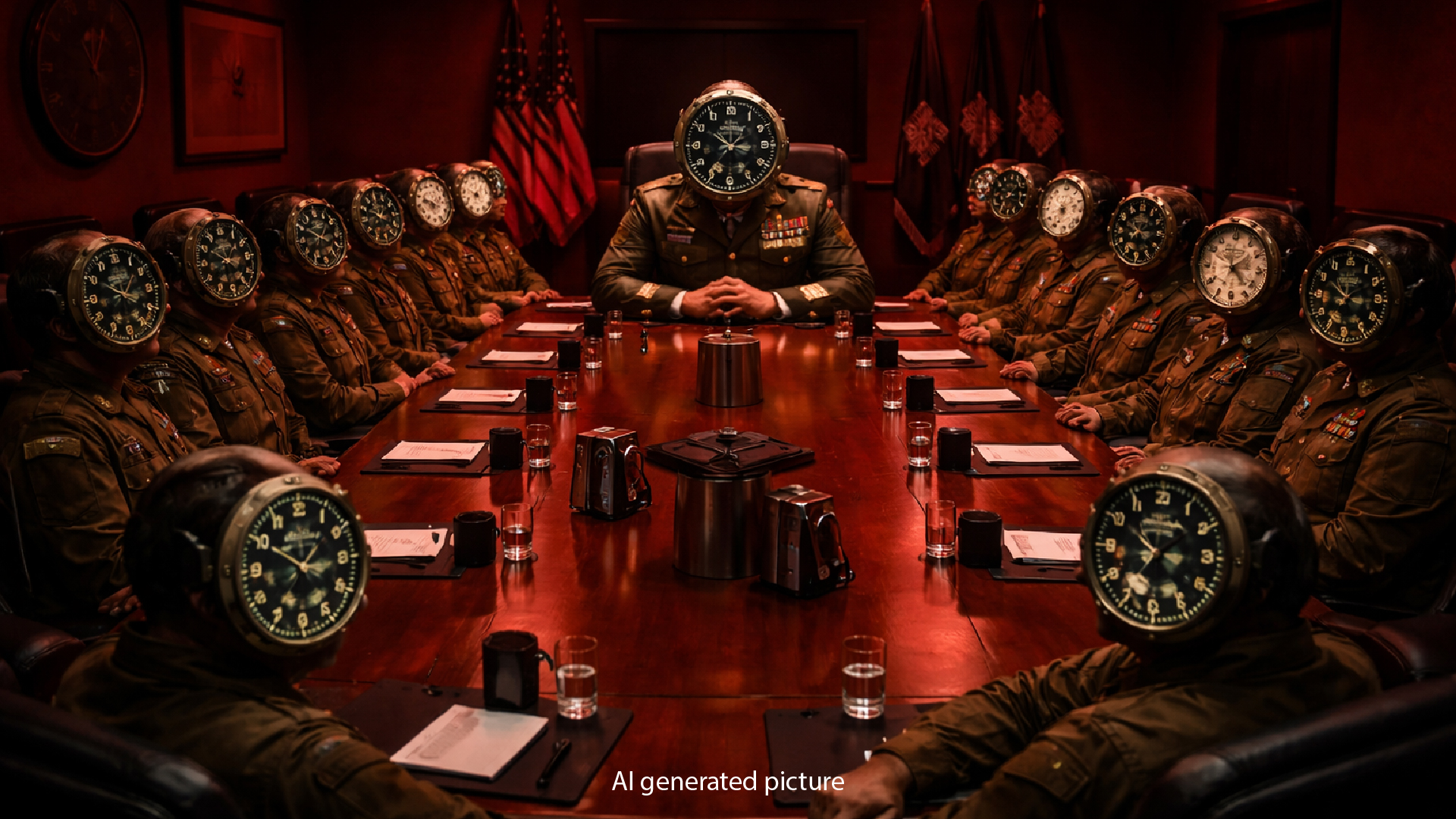
The bridge is still there. Which, under the circumstances, counts as good news. It has been standing long enough to acquire opinions. About weight. Rhythm. Consequence.
Smoke hangs around it the way bad ideas do. Refusing to move on.
Two soldiers wait behind a low wall.
“Where are the others?”
The reply takes a moment. A sleeve shifts. Leather creaks. A wrist rolls.
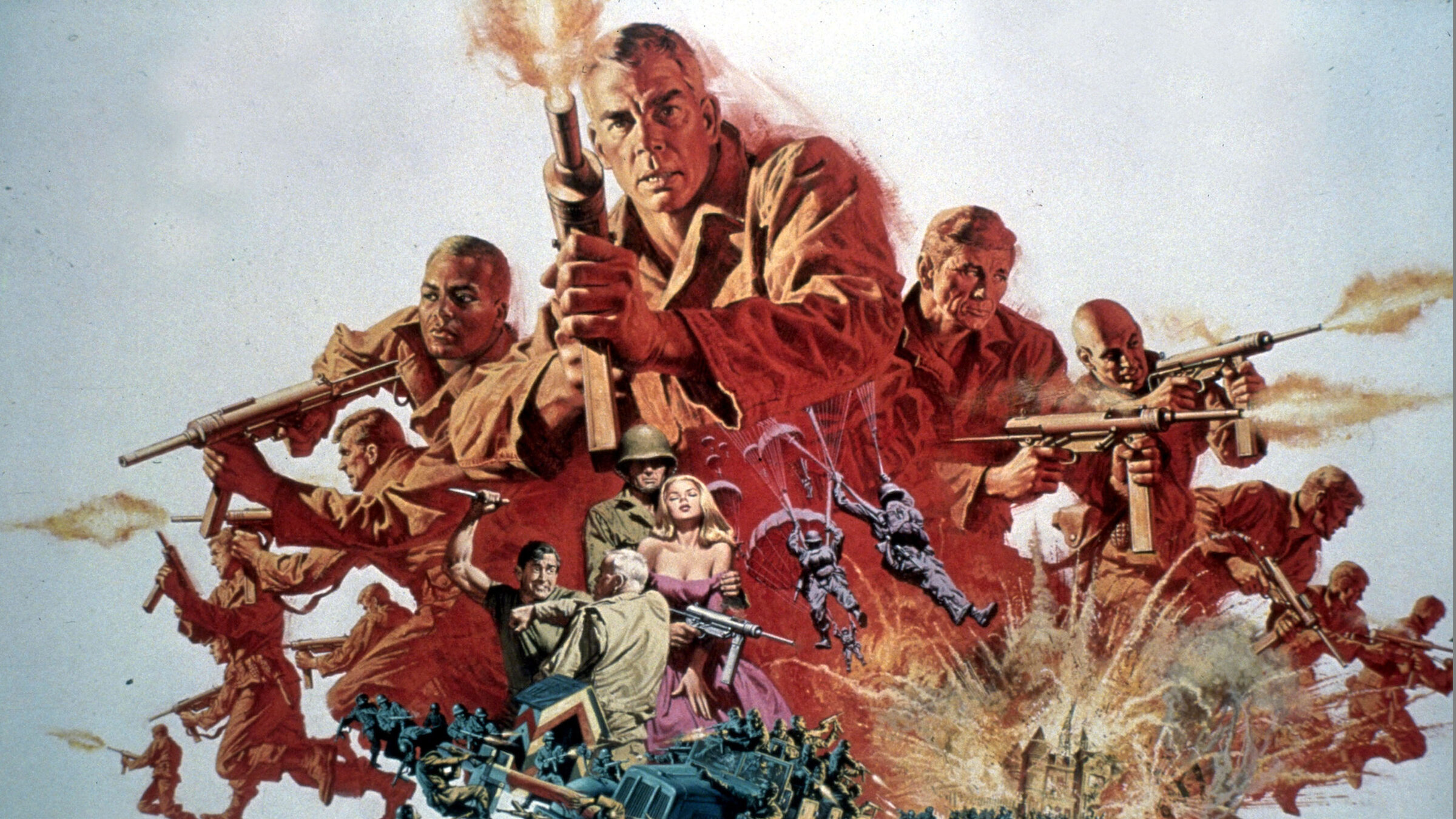
“O-Eight-Forty-Five,” he says. “Four of them ought to be coming over that bridge pretty soon.”
He doesn’t add if they’re still alive. Military time does not allow for footnotes.
“O-Eight-Forty-Five?” The arithmetic lands without hesitation. “They’d better be coming fast then. The enemy is going to lay a live barrage on that bridge at O-Eight-Fifty.”
The bridge knows the schedule. The guns certainly do. Time, for its part, is not interested in alibis.
That O-Eight-Fifty is not an opinion.
The Ministry of Appointments
War is chaotic, but it runs on appointments.
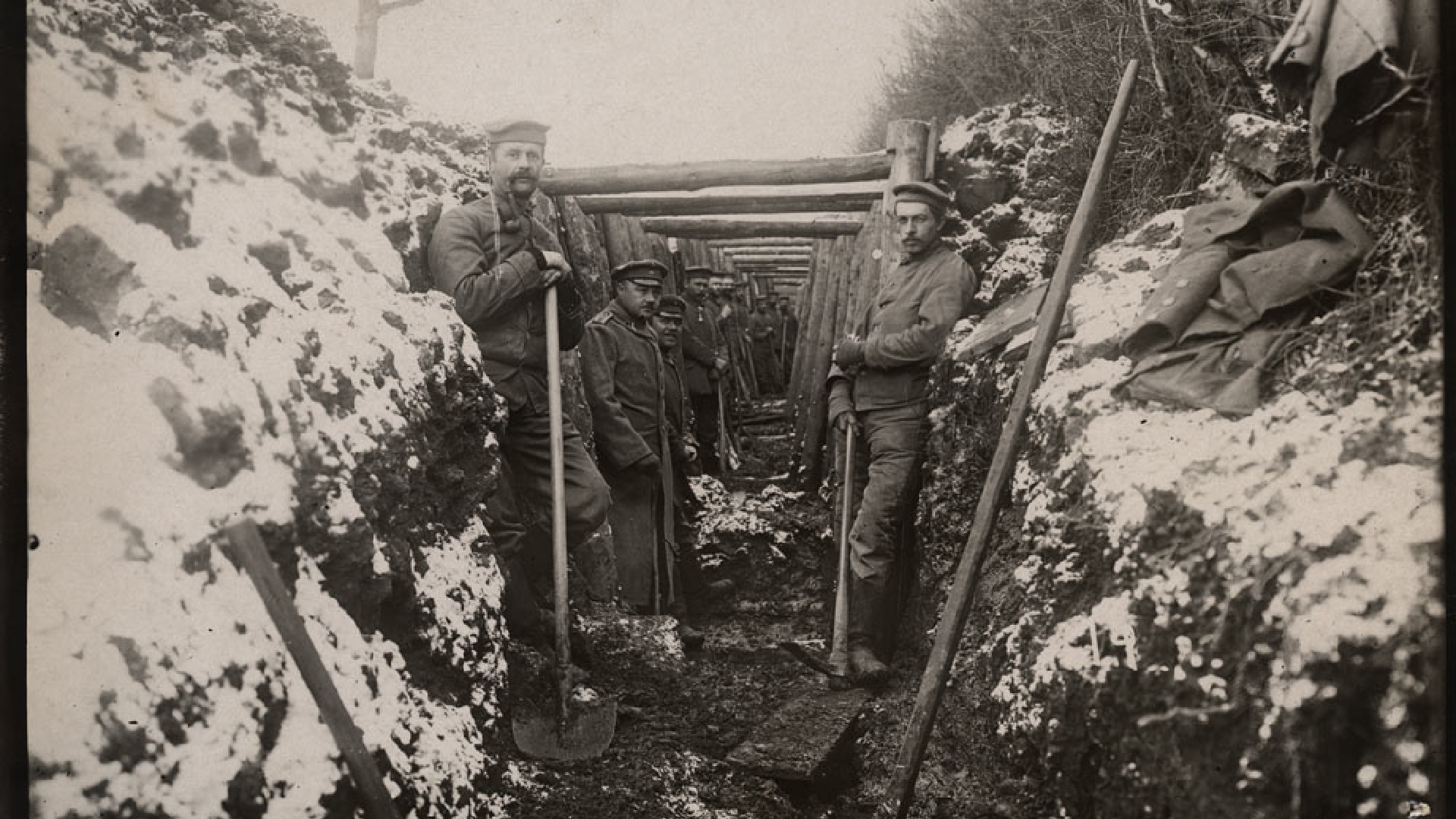
In the First World War, men had strapped time to their wrists out of necessity. Soldered lugs and borrowed leather did the job well enough to survive the day. But makeshift solutions were no longer enough for conflicts that would be fought across maps, oceans, and skies. Often, all at once.
This is why, by the time the Second World War loomed on the horizon, the British Ministry of Defence had begun considering the logistics of time like accountants of death. Beauty and innovation were chopped off in the first draft. Instead, they asked for clarity, repeatability, and obedience.
A black dial.
White Arabic numerals.
A second hand relegated to its own small orbit.
Lume calibrated for exhaustion and indifference.
Shatterproof plexiglass and a case built to ignore shocks.
A crown meant to be gripped by numb fingers inside gloves.
A movement regulated tightly enough that disagreement was not an option.
The ability to keep moisture where it belonged. Outside.
Code W.W.W.
In the beginning - there was also a specification. It read more like a sentencing than a design brief.
Watch. Wrist. Waterproof.
That was the order of importance, too. Brutal in its simplicity, the code existed to ensure alignment. W.W.W. stripped time of personality and issued it a uniform.
Cases converged around a sensible size – large enough to read under stress, small enough not to snag or announce themselves. Dials went black because black wastes no light. Numerals turned white because contrast is not a matter of taste. Lume was applied generously because war didn’t pause when the sun napped.
Even the seconds were regulated. A small sub-dial at six. In a world of waiting – to advance, to withdraw, to hold – knowing your watch was functioning mattered more than what could be written on a pale green form. There was no room here for cleverness. Nothing that required explanation. A watch that needed defending had already failed its brief.
The British industry, bombed out or repurposed for munitions, couldn't meet the demand alone. They needed volume, and they needed it yesterday. So, the Crown turned to neutral Switzerland. Twelve would eventually meet the specification, each bringing their own habits of machining and movement, but all submitting to the same grammar of time. Differences existed, but they were incidental. What mattered was that O-Eight-Fifty meant the same thing on every wrist.
Collectors would later give these watches a name, and a mythology. The Ministry, though, never bothered. To them, W.W.W. was sufficient. Time had been reduced to logistics, and logistics, when done properly, are invisible.
Which was exactly the point.
The Inventory
Today, they are known as the Dirty Dozen. A cinematic nickname, coined long after the fact by collectors who needed a handle. Something that rolled off the tongue better than ‘twelve wristwatch manufacturers who happened to meet a set of specifications at the same time’.
The phrase stuck because it sounded right. Gritty. Martial. Faintly heroic, in a way that flatters the speaker.
The list itself reads like a roll call of mid-century industrial competence - Buren, Cyma, Eterna, Grana, IWC, Jaeger-LeCoultre, Lemania, Longines, Omega, Record, Timor, and Vertex.
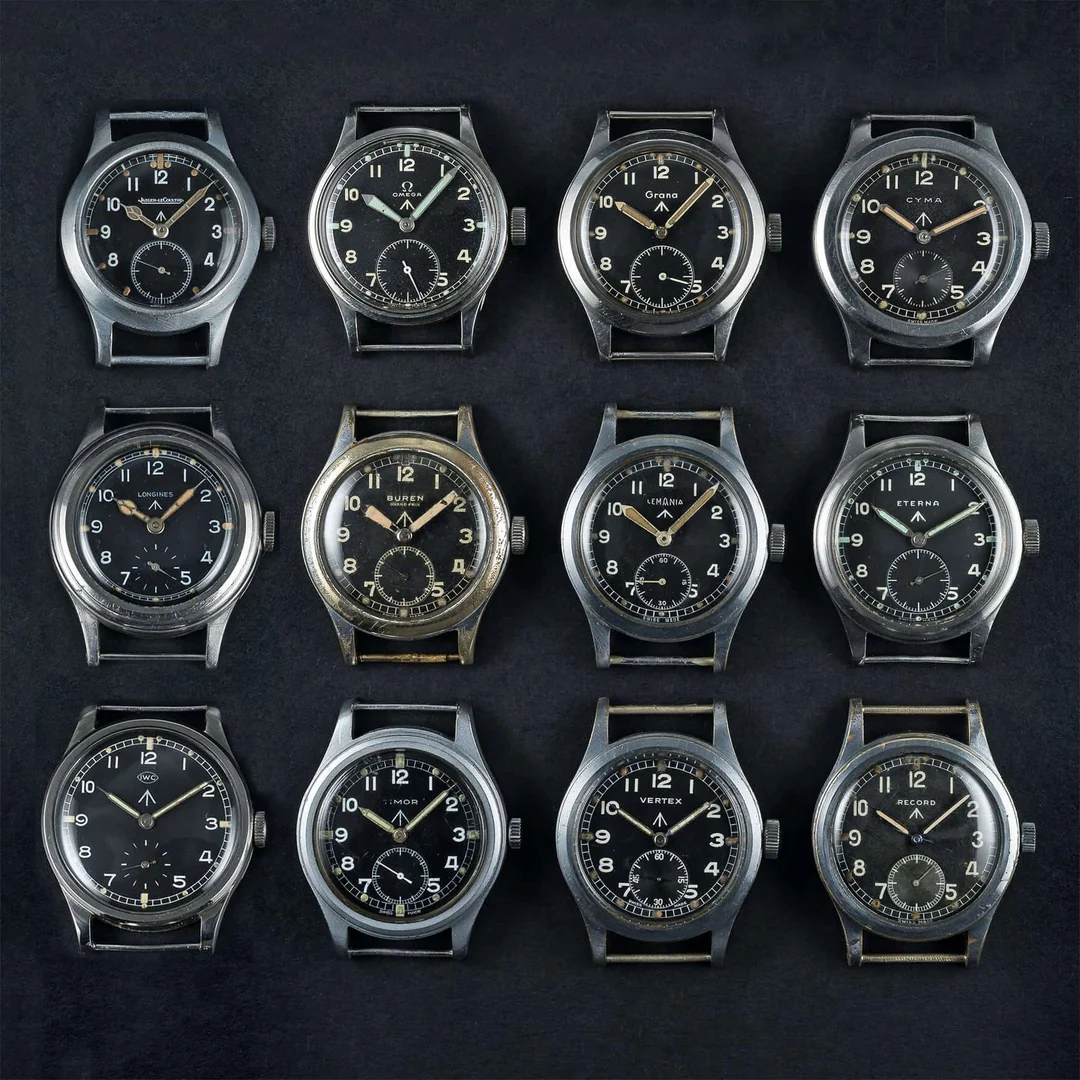
Some of the names still loom large, burnished by marketing budgets and anniversaries. Others have faded entirely, their factories repurposed, their ledgers closed, their contribution reduced to footnotes and auction listings. History, like procurement, is selective about what it remembers.
But even the best nicknames tend to tell the story backwards. No matter how interesting ‘Dirty Dozen’ sounds, turn one over, and the romance drains quickly. On the back, three letters were stamped without ceremony: W.W.W. In the thick of the war, Britain had many things to keep track of, and a wristwatch needed to be distinguished from rifles, field radios, and anything else that might be requisitioned.
There was also the Broad Arrow marking the watch as government property. Below that, more numbers. A military serial—usually a capital letter followed by a string of digits—asserting its place in the ledger. Beneath it, often, a second number from the manufacturer.
It is estimated that roughly 150,000 of these watches were delivered by the twelve companies. These were units issued, logged, and replaced when necessary. Enough to equip men who would never compare dials, never debate movements, and never wonder whether theirs was the better example.
Interchangeability was the quiet triumph. If one failed, another took its place. The system did not care whose name was on the dial, only that O-Eight-Fifty meant the same thing for everyone.
The Hack that Won the War
0200 Hours. East Anglia.
The tarmac vibrates. Felt through the boots, it feels like a tectonic shift. Four hundred Rolls-Royce Merlin engines turning over at once, coughing blue smoke into the cold English mist.
Inside the Lancaster's fuselage, seven men are trying to become one machine.
The pilot checks the flaps. The navigator checks the map case. The rear gunner checks the solenoid on his quad .303s.
But before the wheels can move, there is one final ritual.
“Time check,” the skipper says over the intercom. His voice is tinny, filtered through static and adrenaline. “Coming up on 0215... mark.”
Seven wrists turn. Seven crowns are pulled.
On the navigator’s table, the master watch sweeps toward the twelve.
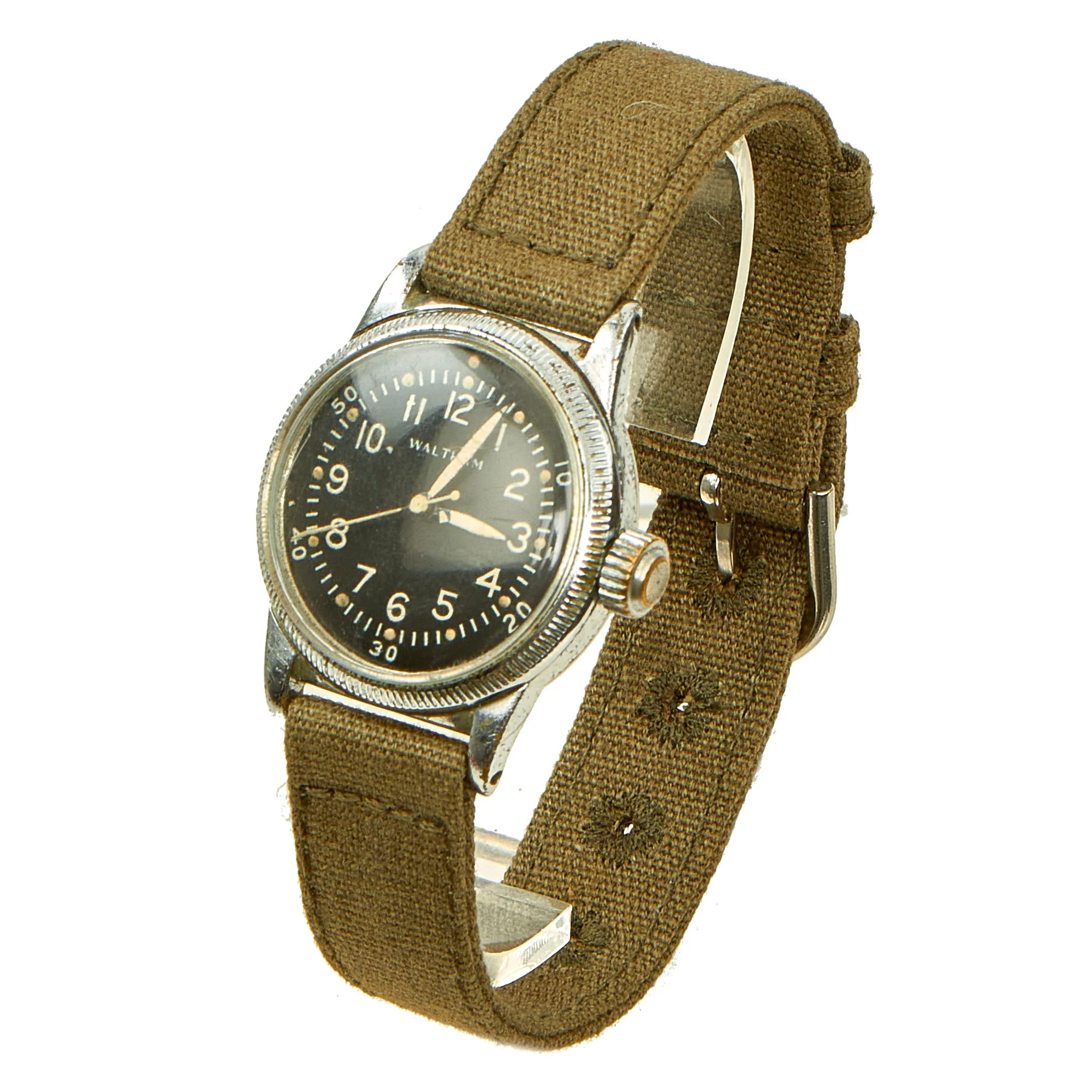
In the cockpit, the pilot holds his breath. The seconds hand on his A-11 is frozen at the zero. It is a small thing, barely 32mm of steel and plexiglass, but in this moment, it is the only thing that matters.
“Three. Two. One. Hack."
Crowns are pushed, and time begins to move in perfect unison.
While the British were outsourcing to the Alps, the Americans had the A-11. Built primarily by Elgin, Waltham, and Bulova, the A-11 was a diminutive watch that sat unobtrusively under a cuff. But inside, it possessed a feature that would change the grammar of warfare.
It hacked. Pull the crown, and the seconds hand stopped dead.
It sounds trivial now. But in 1944, this synchronisation was the difference between a crusade and a collision.
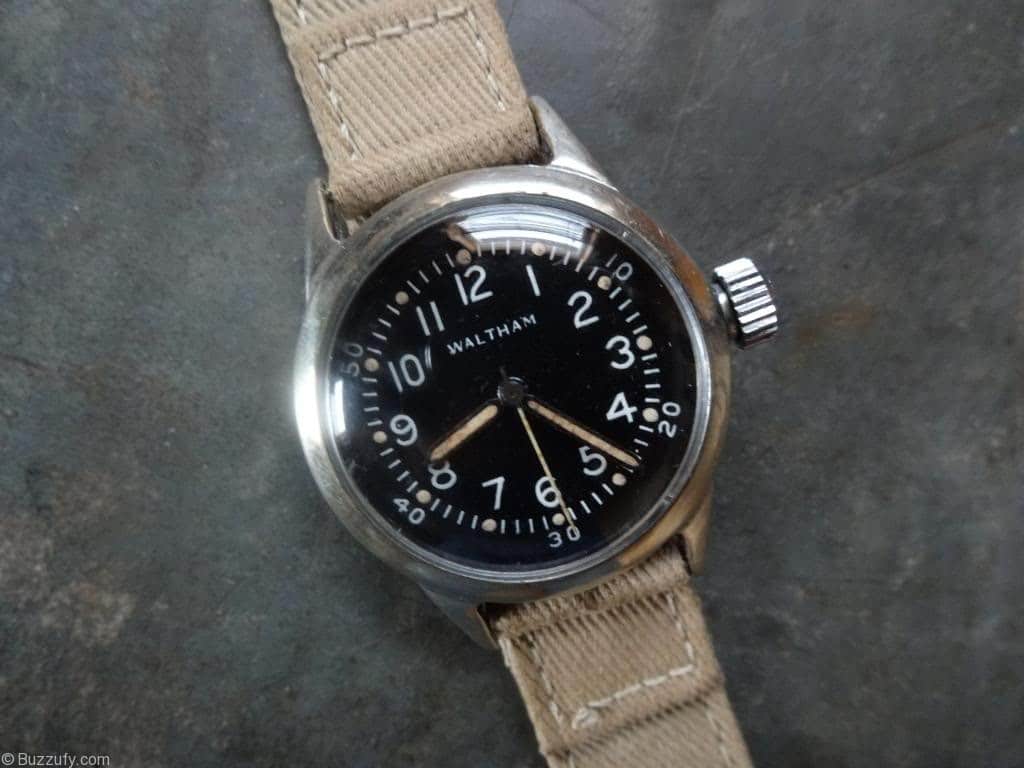
The A-11 turned a group of individuals into a single, synchronised machine. Built in the millions, considered disposable, and often called ‘The Watch That Won the War’, it allowed for coordination down to the breath. It was the watch that timed the air raids over Tokyo. It was the watch that hit the beaches on D-Day.
The war ended in 1945. Some bridges stood. Others fell. Some men came home. Others didn't. But the watches remained. After the Dirty Dozen and the A-11, the watch was equipment. It was steel. It was waterproof. It glowed in the dark. It had been dragged through the mud of Bastogne and the sands of El Alamein, and it was still ticking.
The bridge is still there. Which, under the circumstances, counts as good news. It has been standing long enough to acquire opinions. About weight. Rhythm. Consequence.
Smoke hangs around it the way bad ideas do. Refusing to move on.
Two soldiers wait behind a low wall.
“Where are the others?”
The reply takes a moment. A sleeve shifts. Leather creaks. A wrist rolls.
“O-Eight-Forty-Five,” he says. “Four of them ought to be coming over that bridge pretty soon.”
He doesn’t add if they’re still alive. Military time does not allow for footnotes.
“O-Eight-Forty-Five?” The arithmetic lands without hesitation. “They’d better be coming fast then. The enemy is going to lay a live barrage on that bridge at O-Eight-Fifty.”
The bridge knows the schedule. The guns certainly do. Time, for its part, is not interested in alibis.
That O-Eight-Fifty is not an opinion.
The Ministry of Appointments
War is chaotic, but it runs on appointments.
In the First World War, men had strapped time to their wrists out of necessity. Soldered lugs and borrowed leather did the job well enough to survive the day. But makeshift solutions were no longer enough for conflicts that would be fought across maps, oceans, and skies. Often, all at once.
This is why, by the time the Second World War loomed on the horizon, the British Ministry of Defence had begun considering the logistics of time like accountants of death. Beauty and innovation were chopped off in the first draft. Instead, they asked for clarity, repeatability, and obedience.
A black dial.
White Arabic numerals.
A second hand relegated to its own small orbit.
Lume calibrated for exhaustion and indifference.
Shatterproof plexiglass and a case built to ignore shocks.
A crown meant to be gripped by numb fingers inside gloves.
A movement regulated tightly enough that disagreement was not an option.
The ability to keep moisture where it belonged. Outside.
Code W.W.W.
In the beginning - there was also a specification. It read more like a sentencing than a design brief.
Watch. Wrist. Waterproof.
That was the order of importance, too. Brutal in its simplicity, the code existed to ensure alignment. W.W.W. stripped time of personality and issued it a uniform.
Cases converged around a sensible size – large enough to read under stress, small enough not to snag or announce themselves. Dials went black because black wastes no light. Numerals turned white because contrast is not a matter of taste. Lume was applied generously because war didn’t pause when the sun napped.
Even the seconds were regulated. A small sub-dial at six. In a world of waiting – to advance, to withdraw, to hold – knowing your watch was functioning mattered more than what could be written on a pale green form. There was no room here for cleverness. Nothing that required explanation. A watch that needed defending had already failed its brief.
The British industry, bombed out or repurposed for munitions, couldn't meet the demand alone. They needed volume, and they needed it yesterday. So, the Crown turned to neutral Switzerland. Twelve would eventually meet the specification, each bringing their own habits of machining and movement, but all submitting to the same grammar of time. Differences existed, but they were incidental. What mattered was that O-Eight-Fifty meant the same thing on every wrist.
Collectors would later give these watches a name, and a mythology. The Ministry, though, never bothered. To them, W.W.W. was sufficient. Time had been reduced to logistics, and logistics, when done properly, are invisible.
Which was exactly the point.
The Inventory
Today, they are known as the Dirty Dozen. A cinematic nickname, coined long after the fact by collectors who needed a handle. Something that rolled off the tongue better than ‘twelve wristwatch manufacturers who happened to meet a set of specifications at the same time’.
The phrase stuck because it sounded right. Gritty. Martial. Faintly heroic, in a way that flatters the speaker.
The list itself reads like a roll call of mid-century industrial competence - Buren, Cyma, Eterna, Grana, IWC, Jaeger-LeCoultre, Lemania, Longines, Omega, Record, Timor, and Vertex.
Some of the names still loom large, burnished by marketing budgets and anniversaries. Others have faded entirely, their factories repurposed, their ledgers closed, their contribution reduced to footnotes and auction listings. History, like procurement, is selective about what it remembers.
But even the best nicknames tend to tell the story backwards. No matter how interesting ‘Dirty Dozen’ sounds, turn one over, and the romance drains quickly. On the back, three letters were stamped without ceremony: W.W.W. In the thick of the war, Britain had many things to keep track of, and a wristwatch needed to be distinguished from rifles, field radios, and anything else that might be requisitioned.
There was also the Broad Arrow marking the watch as government property. Below that, more numbers. A military serial—usually a capital letter followed by a string of digits—asserting its place in the ledger. Beneath it, often, a second number from the manufacturer.
It is estimated that roughly 150,000 of these watches were delivered by the twelve companies. These were units issued, logged, and replaced when necessary. Enough to equip men who would never compare dials, never debate movements, and never wonder whether theirs was the better example.
Interchangeability was the quiet triumph. If one failed, another took its place. The system did not care whose name was on the dial, only that O-Eight-Fifty meant the same thing for everyone.
The Hack that Won the War
0200 Hours. East Anglia.
The tarmac vibrates. Felt through the boots, it feels like a tectonic shift. Four hundred Rolls-Royce Merlin engines turning over at once, coughing blue smoke into the cold English mist.
Inside the Lancaster's fuselage, seven men are trying to become one machine.
The pilot checks the flaps. The navigator checks the map case. The rear gunner checks the solenoid on his quad .303s.
But before the wheels can move, there is one final ritual.
“Time check,” the skipper says over the intercom. His voice is tinny, filtered through static and adrenaline. “Coming up on 0215... mark.”
Seven wrists turn. Seven crowns are pulled.
On the navigator’s table, the master watch sweeps toward the twelve.
In the cockpit, the pilot holds his breath. The seconds hand on his A-11 is frozen at the zero. It is a small thing, barely 32mm of steel and plexiglass, but in this moment, it is the only thing that matters.
“Three. Two. One. Hack."
Crowns are pushed, and time begins to move in perfect unison.
While the British were outsourcing to the Alps, the Americans had the A-11. Built primarily by Elgin, Waltham, and Bulova, the A-11 was a diminutive watch that sat unobtrusively under a cuff. But inside, it possessed a feature that would change the grammar of warfare.
It hacked. Pull the crown, and the seconds hand stopped dead.
It sounds trivial now. But in 1944, this synchronisation was the difference between a crusade and a collision.
The A-11 turned a group of individuals into a single, synchronised machine. Built in the millions, considered disposable, and often called ‘The Watch That Won the War’, it allowed for coordination down to the breath. It was the watch that timed the air raids over Tokyo. It was the watch that hit the beaches on D-Day.
The war ended in 1945. Some bridges stood. Others fell. Some men came home. Others didn't. But the watches remained. After the Dirty Dozen and the A-11, the watch was equipment. It was steel. It was waterproof. It glowed in the dark. It had been dragged through the mud of Bastogne and the sands of El Alamein, and it was still ticking.


.png)
.png)
.jpg)