Join CHRONOHOLIC today!
All the watch news, reviews, videos you want, brought to you from fellow collectors
All the watch news, reviews, videos you want, brought to you from fellow collectors
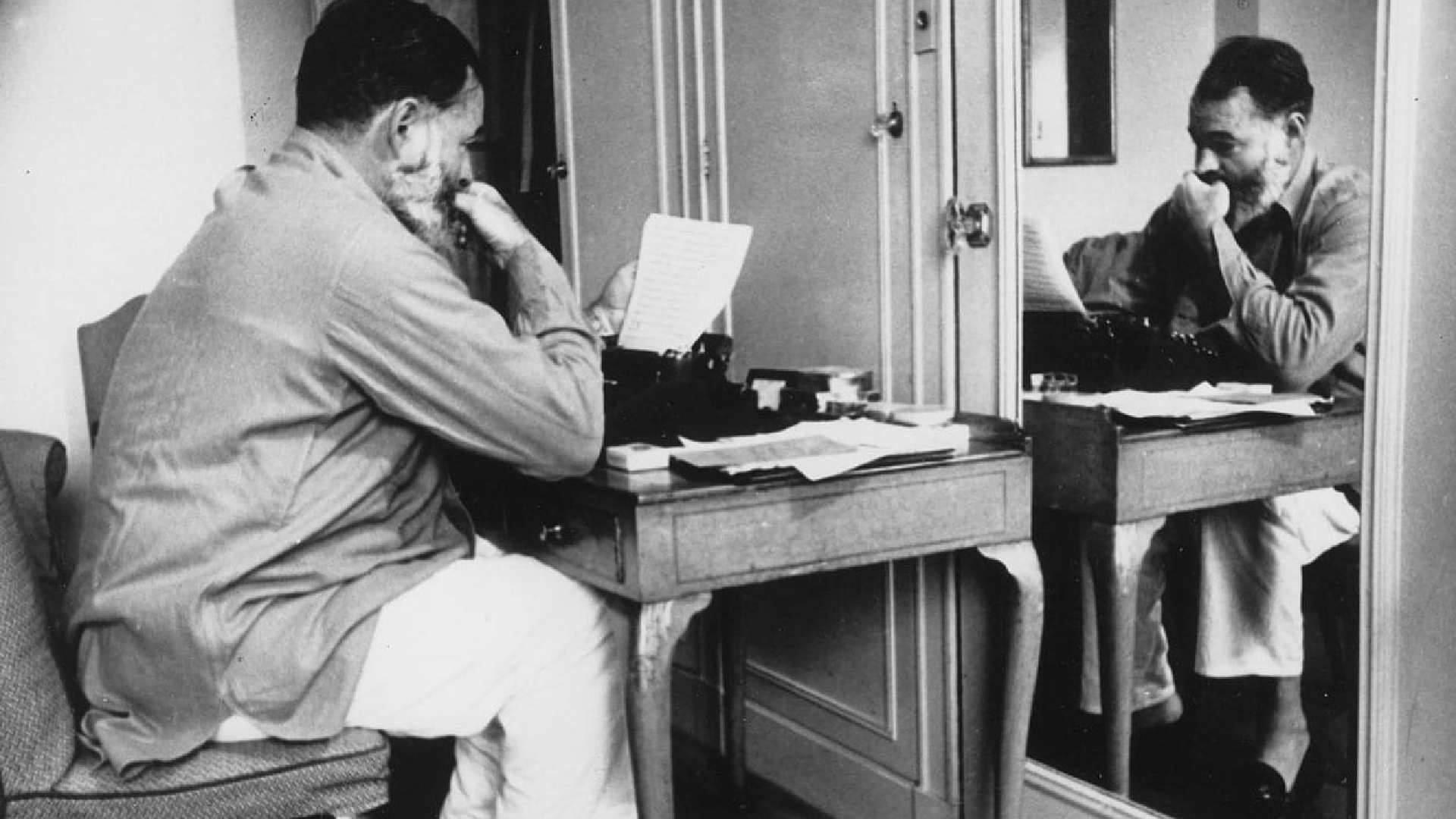

There is a detail in The Sun Also Rises that seasoned readers notice only on the second or third pass: the way time presses on the characters without ever announcing itself. Trains are caught or missed. Afternoons stretch. Nights dissolve into morning with consequences still unresolved. The clock is always there—unforgiving, precise, indifferent—but Hemingway never points at it. He lets time do what it does best: shape behaviour.
That instinct—for letting structure speak instead of sentiment—is why a Rolex feels less like an accessory and more like a footnote to Ernest Hemingway’s life.
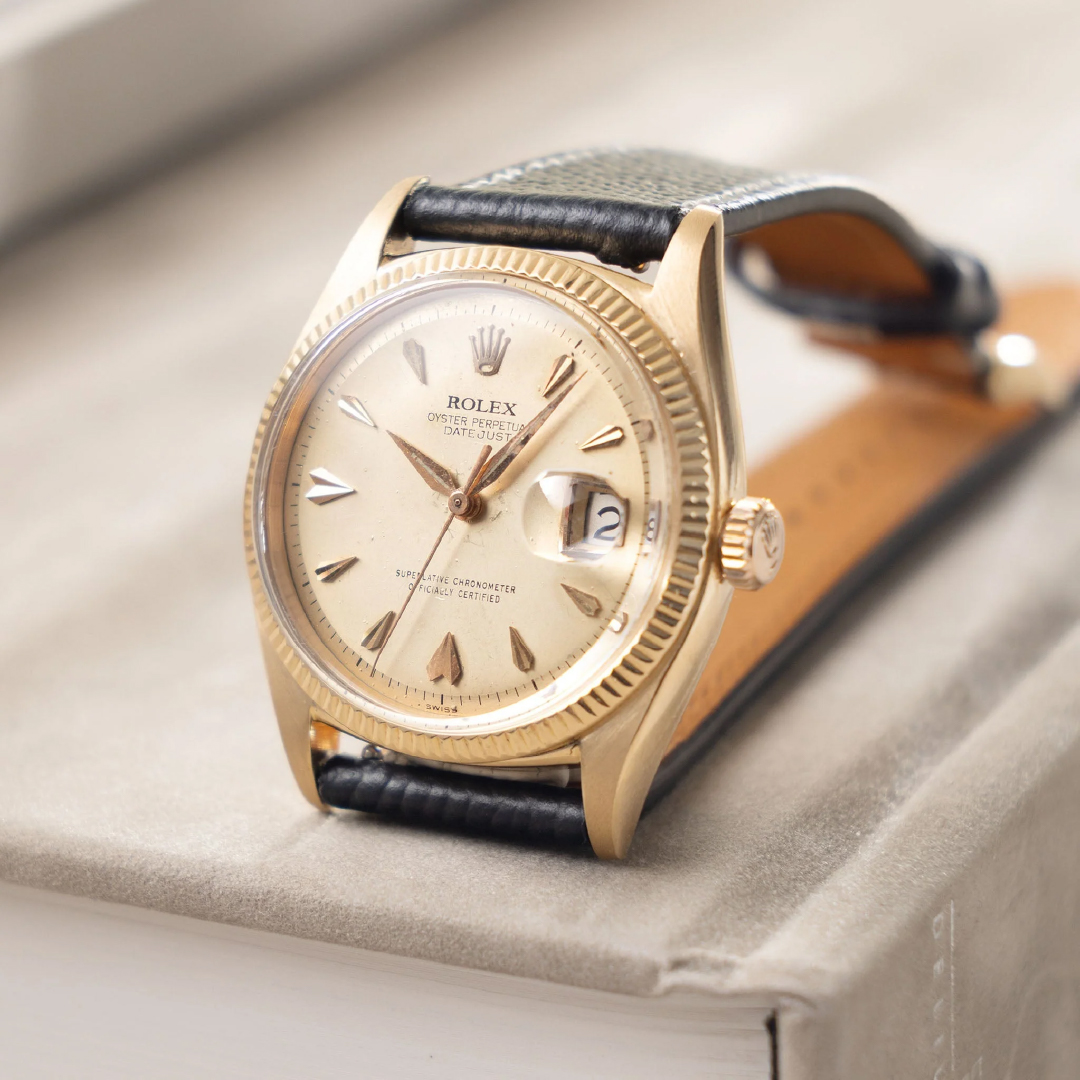
By the mid-1950s, Hemingway was known to wear a Rolex Oyster Perpetual Datejust, most often identified by collectors as Reference 6605, a model produced in the early post-war years. It was reportedly a gift from his wife, Mary Welsh, around 1954—just as The Old Man and the Sea had returned him to the literary centre after years of critical uncertainty. The choice matters. The Datejust was not flamboyant. It was not experimental. It was, however, quietly radical in its own way: the first self-winding chronometer wristwatch to display the date automatically, changing instantaneously at midnight. Precision disguised as ease. Innovation hidden inside restraint.
That is pure Hemingway.
Consider Santiago in The Old Man and the Sea. The novella unfolds almost in real time—hours of waiting, watching, enduring. The old man measures his struggle not in emotion but in duration: how long the line has been taut, how many times the sun has shifted, how much strength remains in his hands. “Pain does not matter to a man,” Santiago thinks—but fatigue does. Time does. Survival, in Hemingway’s world, is rarely about drama. It is about staying operational.

A Rolex Oyster case, hermetically sealed, water-resistant, built to survive salt, sweat, and shock, mirrors this ethic. It is not a watch for display cabinets; it is a watch designed to be worn into the weather. The automatic movement inside the ref. 6605—early but robust—keeps itself alive through motion. If you stop moving, it stops too. That mechanical truth would not have been lost on Hemingway, who believed that stasis was its own kind of death.
In A Farewell to Arms, Frederic Henry’s relationship with Catherine Barkley exists in stolen time—borrowed nights, temporary reprieves, moments held against the inevitability of loss. The novel’s power lies in its refusal to sentimentalise the passing of those hours. When the end comes, it arrives with the blunt finality of a watch hand snapping into place. “It was like saying goodbye to a statue,” Henry says. No embellishment. No pleading. Just the hour, arriving as it must.
A Datejust’s instantaneous date change is a detail connoisseurs obsess over—the way the disc jumps cleanly, without hesitation, at midnight. There is something almost brutal about it. No gradual apology. Yesterday is over. Today has begun. Hemingway wrote like that. He did not ease readers into truth; he let it click.
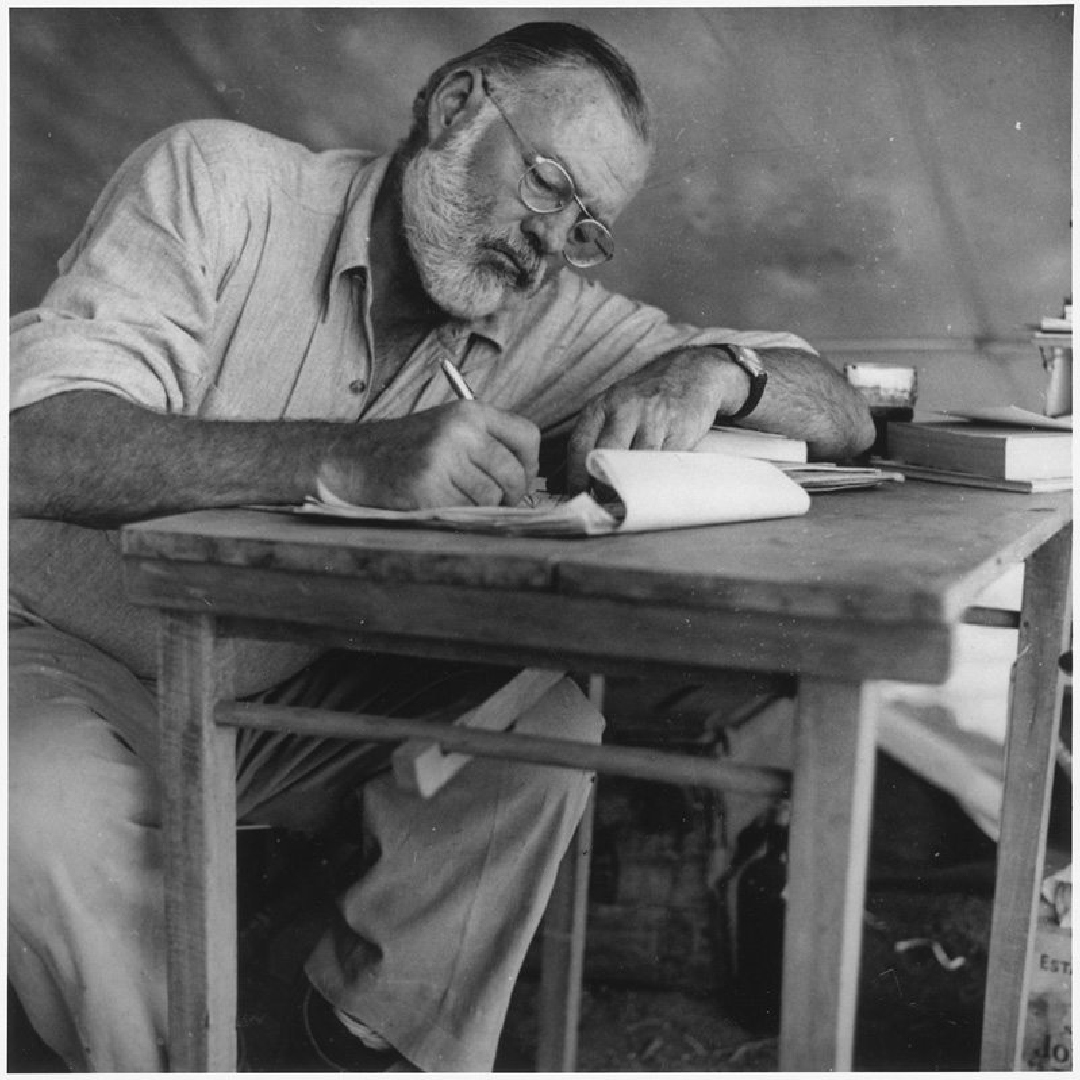
The popular caricature of Hemingway—hunter, drinker, war man—misses the deeper obsession that ran through his work: control. Not domination, but mastery of self under pressure. In For Whom the Bell Tolls, Robert Jordan measures time obsessively. Bridges must be blown at the exact hour. Delays mean death. “The world is a fine place and worth fighting for,” he believes—but only if the timing is right. The novel’s tension is not emotional excess; it is logistical precision under moral weight.
That is the temperament of someone who would appreciate a chronometer-certified movement. Rolex, even then, was fixated on accuracy not as luxury, but as credibility. A watch that could not be trusted was useless. A man whose word could not be trusted was worse.
Hemingway’s prose style—short declarative sentences, parataxis, the removal of connective tissue—functions like a well-regulated calibre. Each sentence does its job. No part is ornamental. In Death in the Afternoon, his treatise on bullfighting, he writes about ritual and timing with near-religious seriousness. The matador survives not through bravado but through knowing exactly when to move, when to wait, when to stand still as the bull passes close enough to kill him. The watch on such a man’s wrist must be indifferent to fear. It must keep time even when the pulse spikes.
The Datejust’s proportions matter too. At 36mm, it is neither aggressive nor shy. It sits close to the wrist, balanced, legible. This is not the watch of a man trying to be seen. It is the watch of a man who needs to know where he is in the day because something depends on it—pages to be written before noon, boats to be launched before the weather turns, bodies that must keep up with the demands placed upon them.
There is a quiet irony here. Hemingway’s public persona was one of excess, yet the objects he trusted were disciplined. His sentences. His fishing gear. His weapons. His watch. Each obeyed a code. Each functioned within limits. The Rolex did not rescue him from his demons—but it aligned with the part of him that believed order was the only defence against inner chaos.
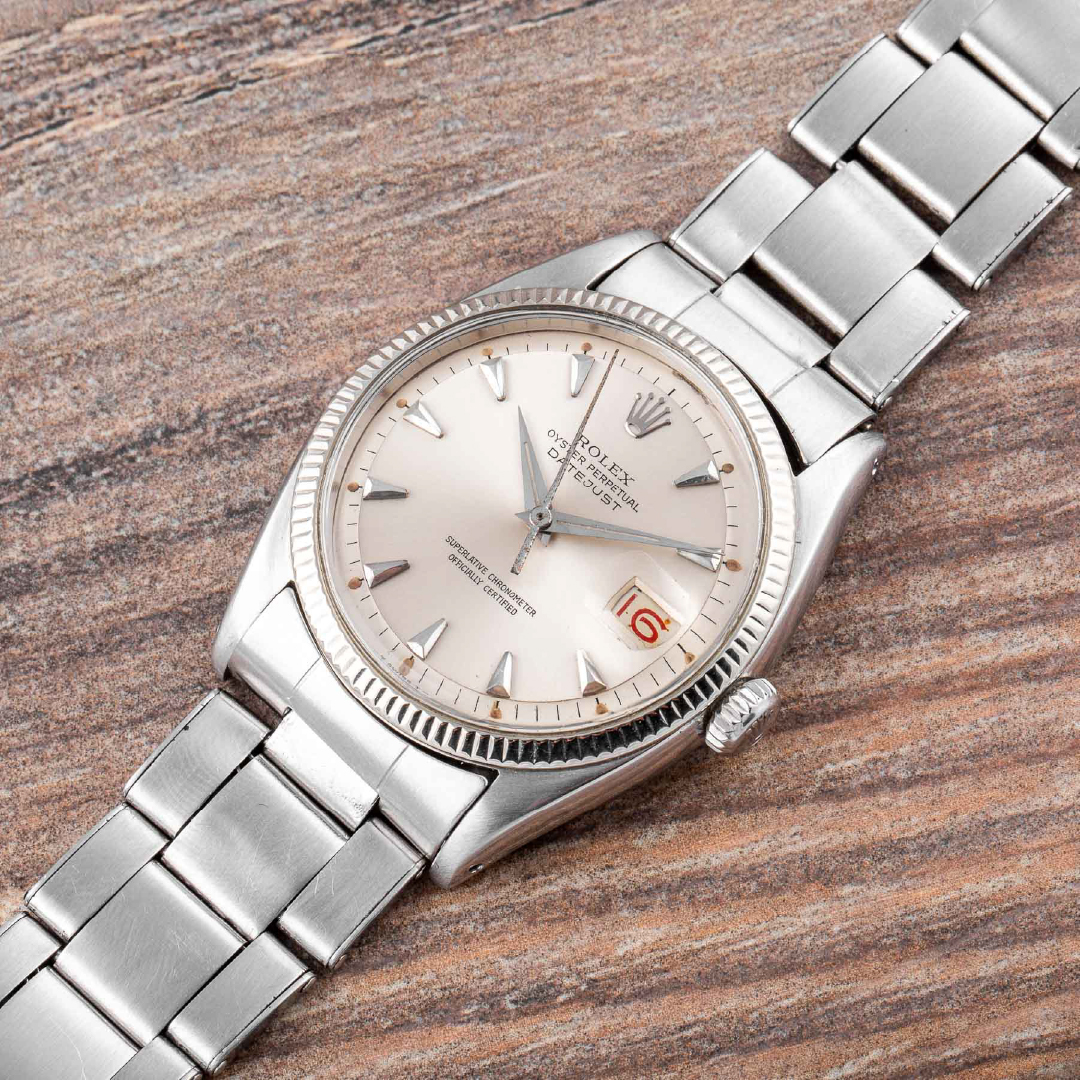
Collectors understand this instinctively. We do not love watches because they glitter; we love them because they hold. They hold time. They hold intention. They hold the small daily promise that something in our lives will continue to work as designed, even when we are not at our best.
Hemingway once said that writing, at its best, was “architecture, not interior decoration.” The Rolex Datejust is exactly that. Steel, glass, calibrated motion. No unnecessary flourish. Just enough beauty to reward attention, never enough to distract from purpose.
If the watch on Hemingway’s wrist could speak, it would not tell stories. It would confirm facts. Morning has arrived. The page is blank. You have a few good hours. Use them well.
That is the deepest connection between the man and the machine. Both believed in showing up on time. Both believed that dignity is maintained not by noise, but by reliability. Both understood that the truest measure of a life is not how loudly it announces itself—but how steadily it keeps going, one disciplined tick at a time.
About the author | Shormila Bhowmick is a veteran Business & Lifestyle journalist. She is the founder of Mocha Ink Mag and the host of Mocha Talks podcast. A connoisseur of good life and conscious living, her column blends her literary taste in classics with the timelessness of timepieces.
There is a detail in The Sun Also Rises that seasoned readers notice only on the second or third pass: the way time presses on the characters without ever announcing itself. Trains are caught or missed. Afternoons stretch. Nights dissolve into morning with consequences still unresolved. The clock is always there—unforgiving, precise, indifferent—but Hemingway never points at it. He lets time do what it does best: shape behaviour.
That instinct—for letting structure speak instead of sentiment—is why a Rolex feels less like an accessory and more like a footnote to Ernest Hemingway’s life.
By the mid-1950s, Hemingway was known to wear a Rolex Oyster Perpetual Datejust, most often identified by collectors as Reference 6605, a model produced in the early post-war years. It was reportedly a gift from his wife, Mary Welsh, around 1954—just as The Old Man and the Sea had returned him to the literary centre after years of critical uncertainty. The choice matters. The Datejust was not flamboyant. It was not experimental. It was, however, quietly radical in its own way: the first self-winding chronometer wristwatch to display the date automatically, changing instantaneously at midnight. Precision disguised as ease. Innovation hidden inside restraint.
That is pure Hemingway.
Consider Santiago in The Old Man and the Sea. The novella unfolds almost in real time—hours of waiting, watching, enduring. The old man measures his struggle not in emotion but in duration: how long the line has been taut, how many times the sun has shifted, how much strength remains in his hands. “Pain does not matter to a man,” Santiago thinks—but fatigue does. Time does. Survival, in Hemingway’s world, is rarely about drama. It is about staying operational.
A Rolex Oyster case, hermetically sealed, water-resistant, built to survive salt, sweat, and shock, mirrors this ethic. It is not a watch for display cabinets; it is a watch designed to be worn into the weather. The automatic movement inside the ref. 6605—early but robust—keeps itself alive through motion. If you stop moving, it stops too. That mechanical truth would not have been lost on Hemingway, who believed that stasis was its own kind of death.
In A Farewell to Arms, Frederic Henry’s relationship with Catherine Barkley exists in stolen time—borrowed nights, temporary reprieves, moments held against the inevitability of loss. The novel’s power lies in its refusal to sentimentalise the passing of those hours. When the end comes, it arrives with the blunt finality of a watch hand snapping into place. “It was like saying goodbye to a statue,” Henry says. No embellishment. No pleading. Just the hour, arriving as it must.
A Datejust’s instantaneous date change is a detail connoisseurs obsess over—the way the disc jumps cleanly, without hesitation, at midnight. There is something almost brutal about it. No gradual apology. Yesterday is over. Today has begun. Hemingway wrote like that. He did not ease readers into truth; he let it click.
The popular caricature of Hemingway—hunter, drinker, war man—misses the deeper obsession that ran through his work: control. Not domination, but mastery of self under pressure. In For Whom the Bell Tolls, Robert Jordan measures time obsessively. Bridges must be blown at the exact hour. Delays mean death. “The world is a fine place and worth fighting for,” he believes—but only if the timing is right. The novel’s tension is not emotional excess; it is logistical precision under moral weight.
That is the temperament of someone who would appreciate a chronometer-certified movement. Rolex, even then, was fixated on accuracy not as luxury, but as credibility. A watch that could not be trusted was useless. A man whose word could not be trusted was worse.
Hemingway’s prose style—short declarative sentences, parataxis, the removal of connective tissue—functions like a well-regulated calibre. Each sentence does its job. No part is ornamental. In Death in the Afternoon, his treatise on bullfighting, he writes about ritual and timing with near-religious seriousness. The matador survives not through bravado but through knowing exactly when to move, when to wait, when to stand still as the bull passes close enough to kill him. The watch on such a man’s wrist must be indifferent to fear. It must keep time even when the pulse spikes.
The Datejust’s proportions matter too. At 36mm, it is neither aggressive nor shy. It sits close to the wrist, balanced, legible. This is not the watch of a man trying to be seen. It is the watch of a man who needs to know where he is in the day because something depends on it—pages to be written before noon, boats to be launched before the weather turns, bodies that must keep up with the demands placed upon them.
There is a quiet irony here. Hemingway’s public persona was one of excess, yet the objects he trusted were disciplined. His sentences. His fishing gear. His weapons. His watch. Each obeyed a code. Each functioned within limits. The Rolex did not rescue him from his demons—but it aligned with the part of him that believed order was the only defence against inner chaos.
Collectors understand this instinctively. We do not love watches because they glitter; we love them because they hold. They hold time. They hold intention. They hold the small daily promise that something in our lives will continue to work as designed, even when we are not at our best.
Hemingway once said that writing, at its best, was “architecture, not interior decoration.” The Rolex Datejust is exactly that. Steel, glass, calibrated motion. No unnecessary flourish. Just enough beauty to reward attention, never enough to distract from purpose.
If the watch on Hemingway’s wrist could speak, it would not tell stories. It would confirm facts. Morning has arrived. The page is blank. You have a few good hours. Use them well.
That is the deepest connection between the man and the machine. Both believed in showing up on time. Both believed that dignity is maintained not by noise, but by reliability. Both understood that the truest measure of a life is not how loudly it announces itself—but how steadily it keeps going, one disciplined tick at a time.
About the author | Shormila Bhowmick is a veteran Business & Lifestyle journalist. She is the founder of Mocha Ink Mag and the host of Mocha Talks podcast. A connoisseur of good life and conscious living, her column blends her literary taste in classics with the timelessness of timepieces.


.jpg)
.png)
.jpg)