Join CHRONOHOLIC today!
All the watch news, reviews, videos you want, brought to you from fellow collectors
All the watch news, reviews, videos you want, brought to you from fellow collectors
%20(1).jpeg)
I step off the main road and into a narrow lane behind Crawford Market, the kind of place where the city forgets to perform. The air changes first. Fresh fruit and wet pavement give way to the smell of solder, old leather, and transistor radios that refuse to die. Shops lean into each other like tired men; their signboards tilt at angles a geometry teacher would weep over.
A man selling counterfeit sunglasses looks up, decides I am neither customer nor threat, and returns to his lunch. Somewhere deeper in the lane, a welding torch hisses like a warning. Above it all, the familiar Bombay Brownian. Vendors bargaining, birds quarrelling on rooftops, a distant train exhaling. But all of it is muffled, as if someone has thrown a blanket over the soundtrack.

I walk past shutter-sized stores stacked with everything from calculator batteries to abandoned typewriters. Nobody tells you this, but the underbelly of Mumbai runs on repair. A city of improvisers needs men who can argue with broken things.
The Lane of Lost Hours
To my left, I see a small signboard painted in a shade of blue that the monsoon has tried, and failed, to erase.
The shop is barely the size of a confession booth. A single bulb flickers overhead like it is practising dying. Behind a wooden counter sits a watchmaker who could easily be mistaken for the narrator of a noir novel - one eye behind a scratched magnifying loupe, the other squinting as if the world’s details require caution. His hands move with the slow, steady confidence of someone who believes machines will eventually tell the truth.
I stand by the doorway for a moment, letting my eyes adjust. The walls are covered with clocks that disagree with each other. The counter is a graveyard of watch parts: hands shaped like tiny scythes, glass crystals stacked like dragon scales, gears that gleam with the stubborn pride of old brass.
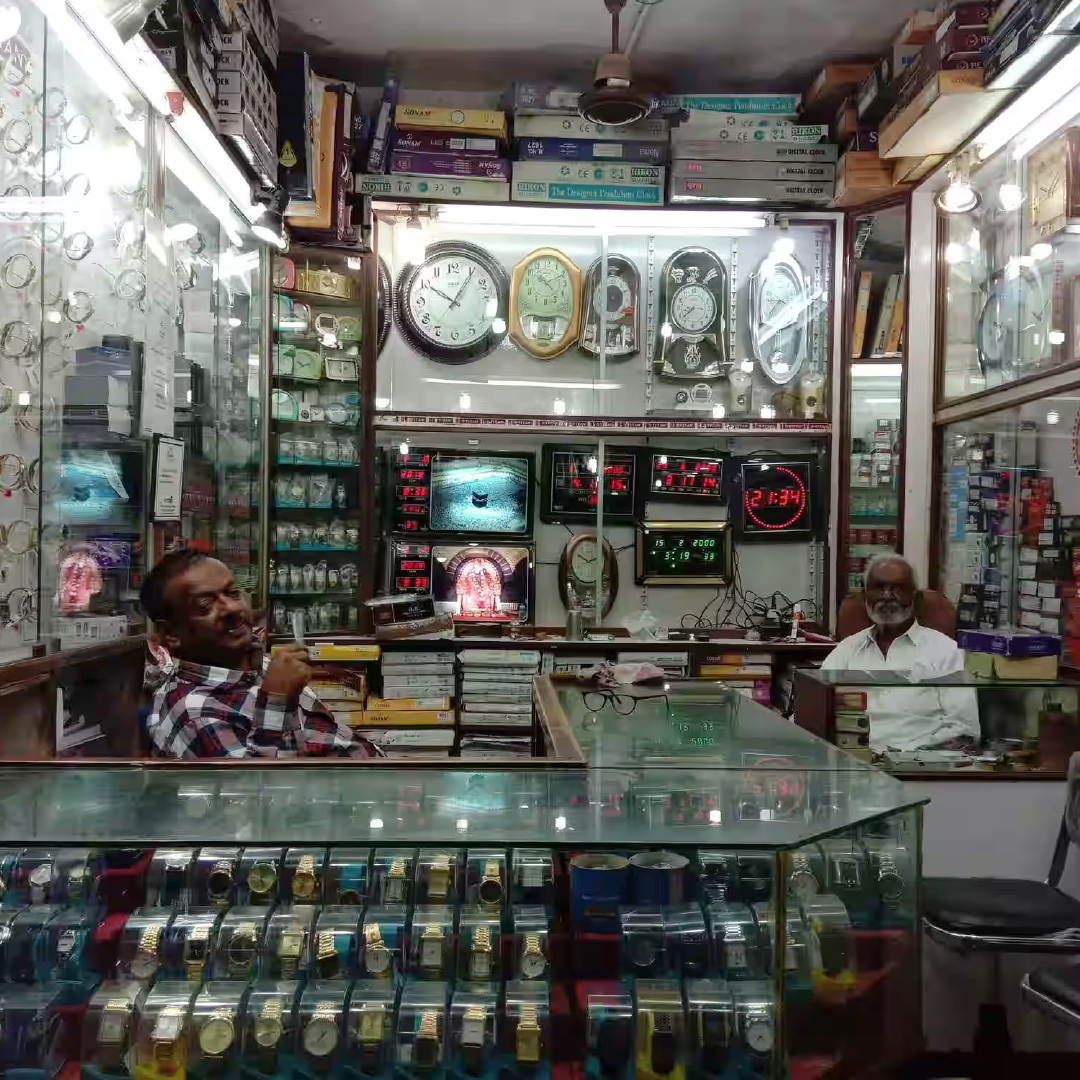
He doesn’t look up. Not yet.
Watchmakers, I realise, acknowledge people only between ticks.
Mumbai isn’t the only place where you find these men who have slipped through the cracks of time, soldering the past back together with a steadiness the world no longer practices. Every city has a few of them. Patient, underpaid, half-forgotten. Repairing time from within, one reluctant gear at a time.
I keep running into men like these. Like that one afternoon in 2018, when I walked into a tiny, unkempt shop near Haji Nizamuddin Dargah, with optimism in one pocket and a dangerously light wallet in the other.
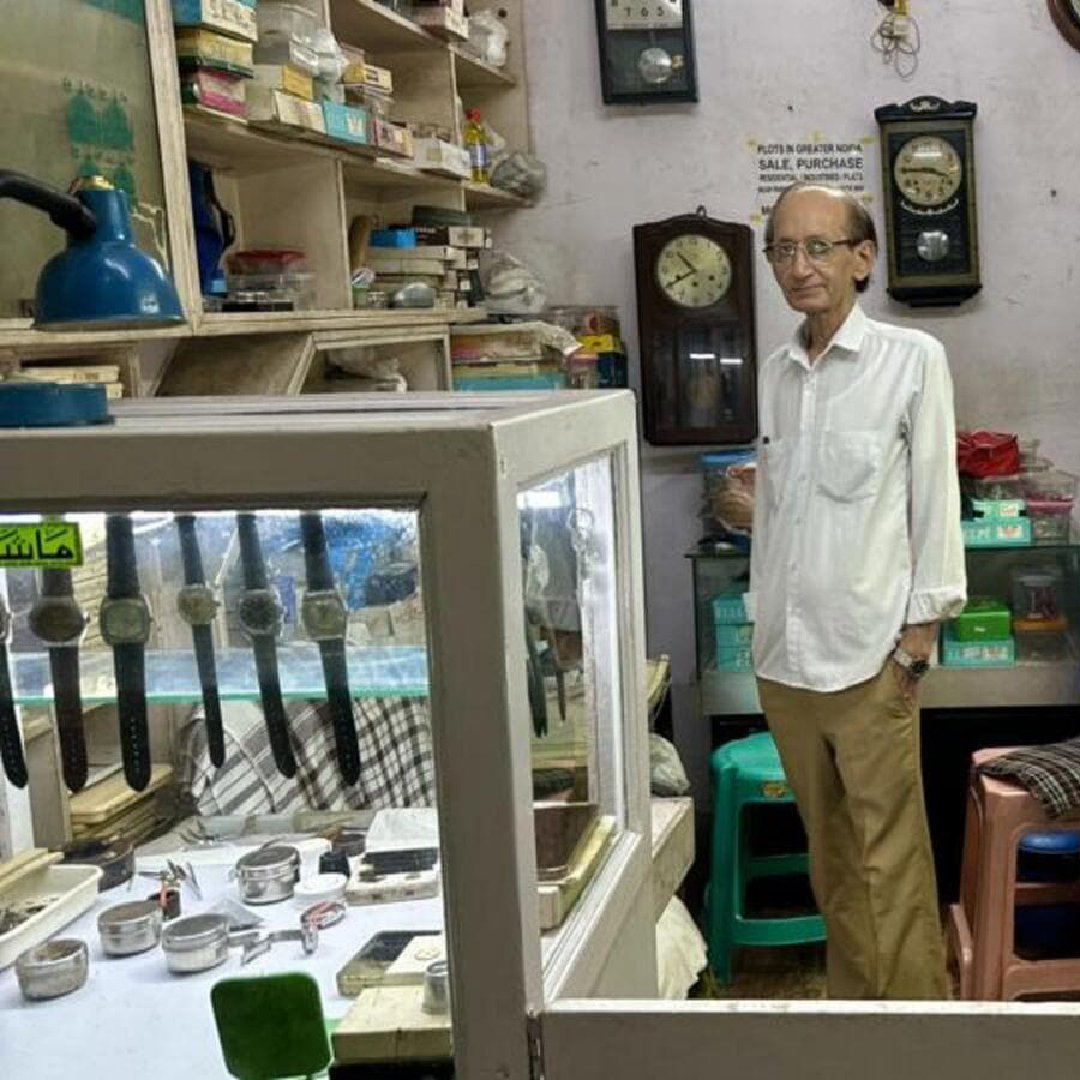
Photo credit - The Hindustan Times
Back then, I looked at vintage watches with the same wistful curiosity not-so-young men reserve for impossible things - old loves, lost cities, and sometimes, petite women.
What I found there wasn’t just watches. It was time itself. Chipped, bartered, mismatched.
Sometimes dishonest, often ingenious. Kept alive by someone who still believed yesterday deserved another chance.
Time, Rearranged
If you follow the trail long enough, from Crawford Market to Byculla to the anonymous back lanes of Mohammed Ali Road, you begin to see the same pattern repeat.
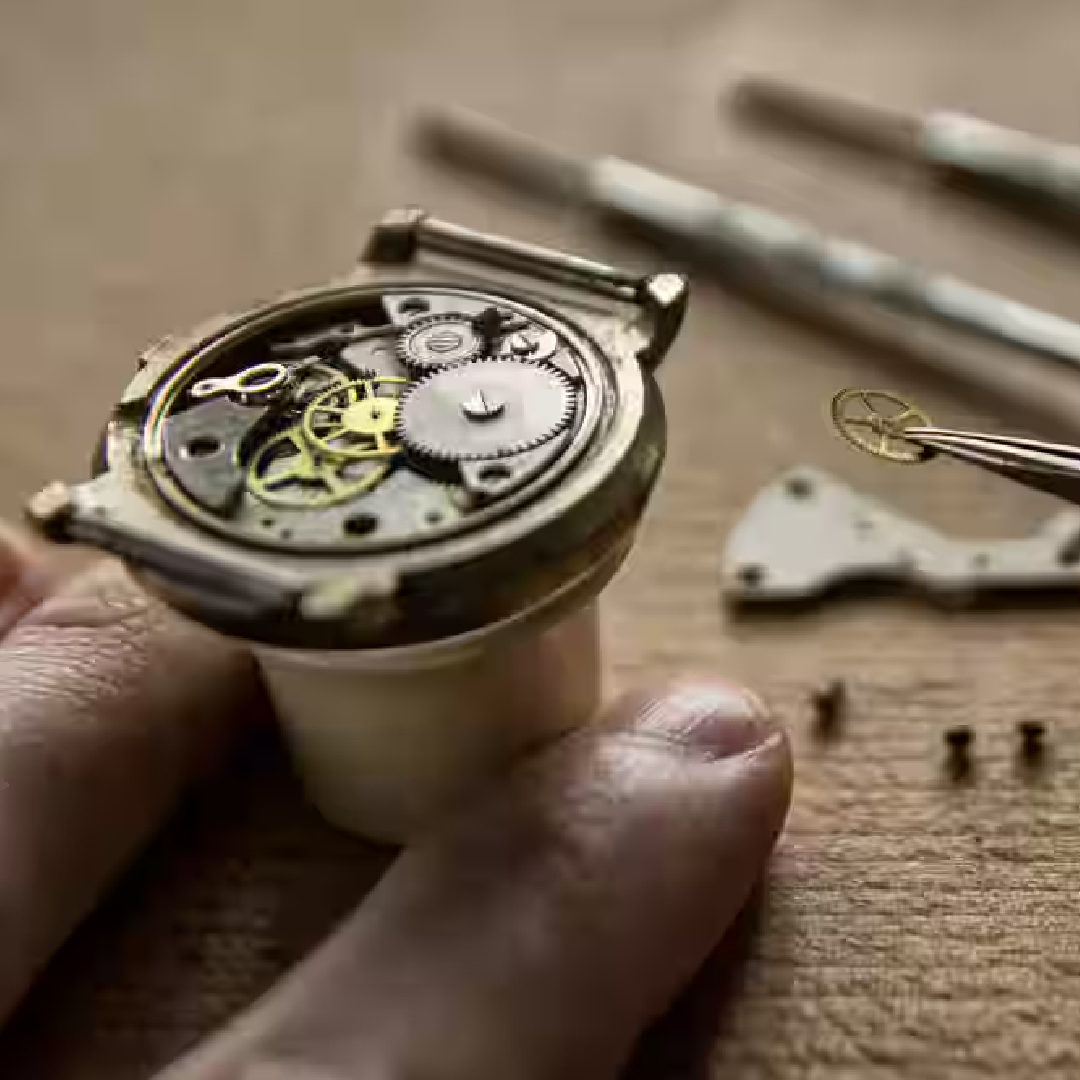
Here, the word ‘vintage’ does not mean heritage. It means inventory.
Small plastic trays overflow with dials that once belonged to respectable Swiss watches. Some bear names that have travelled across continents. Omega. Longines. Titoni. Favre Leuba. Others are anonymous, stripped of identity, waiting for a new one to be painted on. One can even find an occasional Allwyn or a Hegde & Golay, both part of an almost forgotten chapter of the homegrown hour.
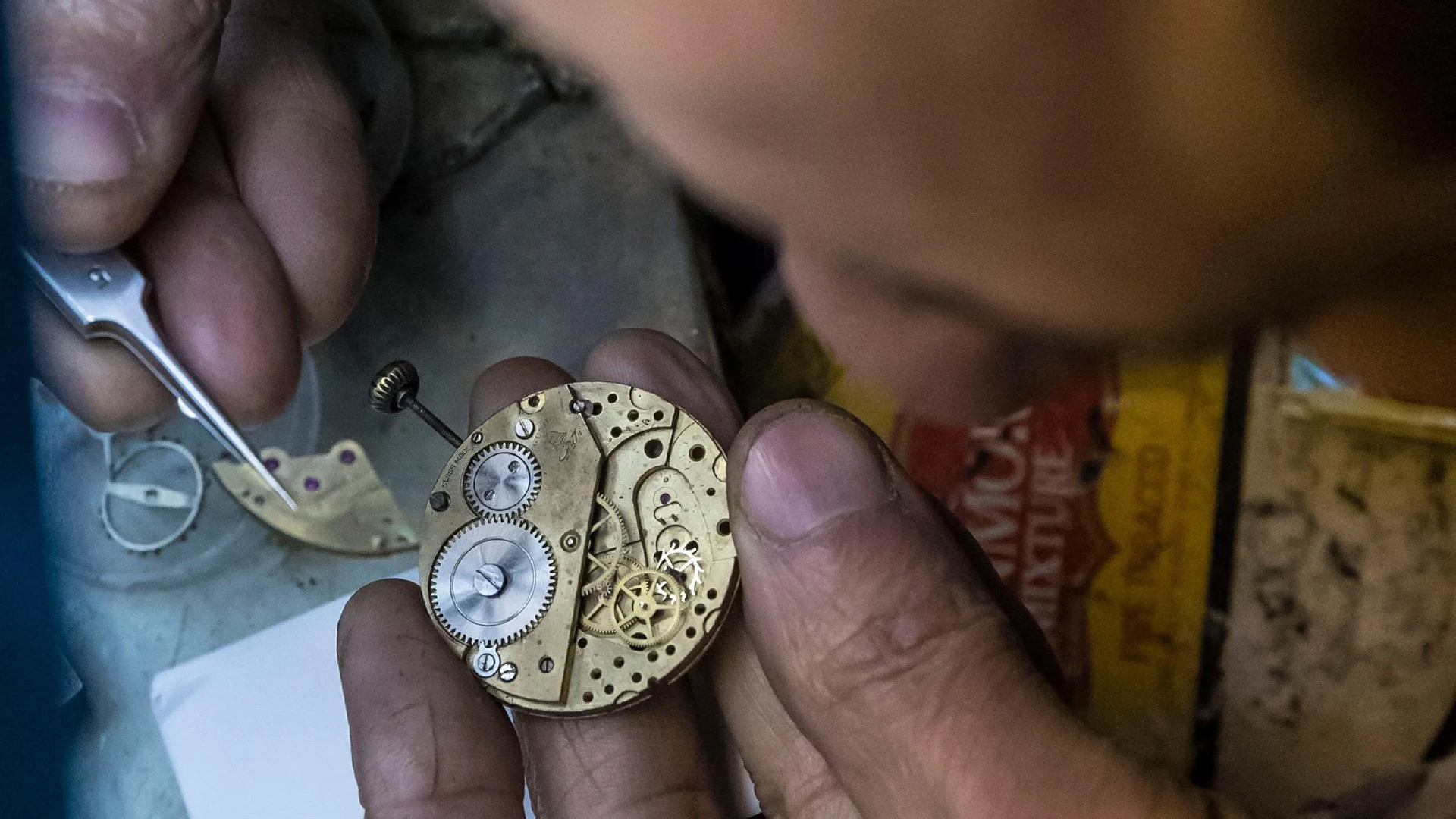
Movements arrive in gunny bags. A watchmaker reaches in and pulls one out without looking, the way a butcher picks a cut of meat. If it ticks, it lives. If it doesn’t, it becomes donor material.
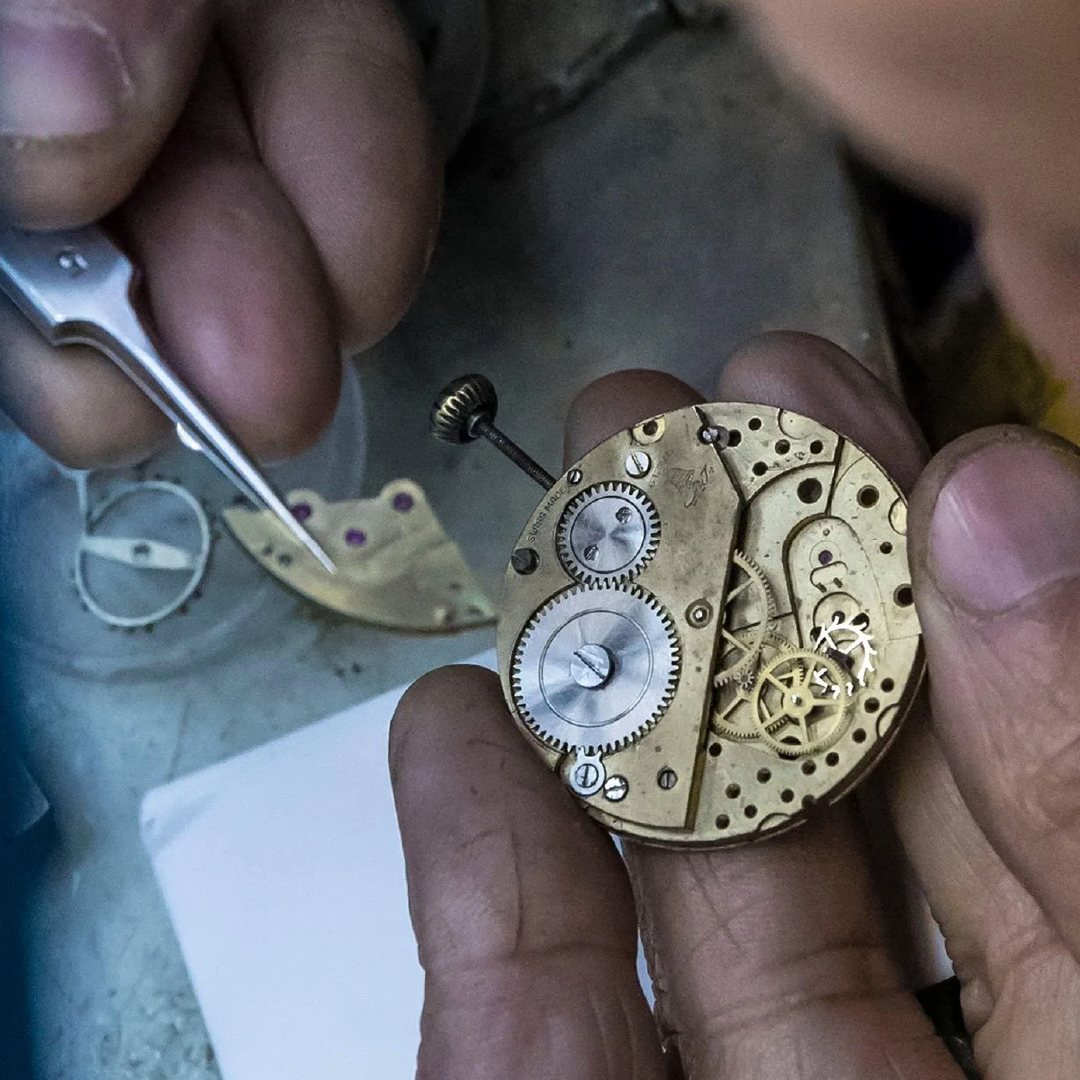
On another bench, a case is being polished to remove the ghosts of its former life. Once it is buffed to a blind shine, it will be asked to house a dial far more ambitious than its lineage permits.
Everything in these rooms has a secret.
In the 1990s, when the global appetite for vintage watches suddenly ballooned, these workshops became silent participants in an unspoken trade. Dealers in London and New York, dazzled by the prospect of bargains, bought Mumbai stock by the crates. Weeks later, when the watches reached a watchmaker with proper tools and proper expectations, the truth spilt out like an apology.
These weren’t rare watches with heritage. They weren’t even a very good lie.
The collapse of HMT, the influx of cheap Chinese quartz watches, and the vanishing of repair culture left thousands of craftsmen stranded. Men who could regulate a balance wheel by ear suddenly had no one left to employ that gift. So they turned to the only thing their hands still knew how to do. They assembled time out of whatever the world had discarded.
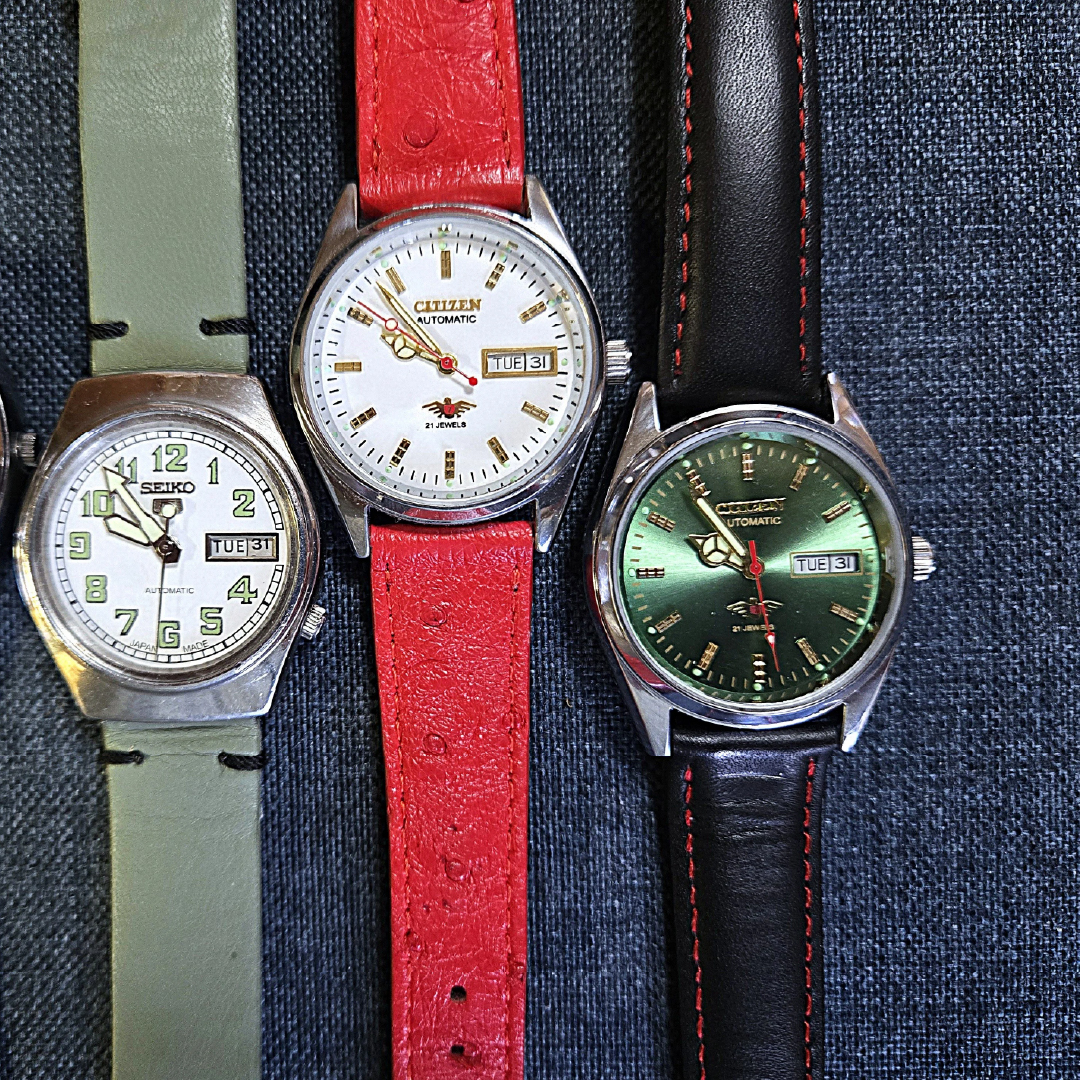
Picture credit - The Watch Site
Ask them if this is wrong, and they will shrug.
Ask them if they are proud, and they will sigh.
Ask them why they still do it, and they will say the same thing, “Karna padta hai.”
An Alternate Time(Line)
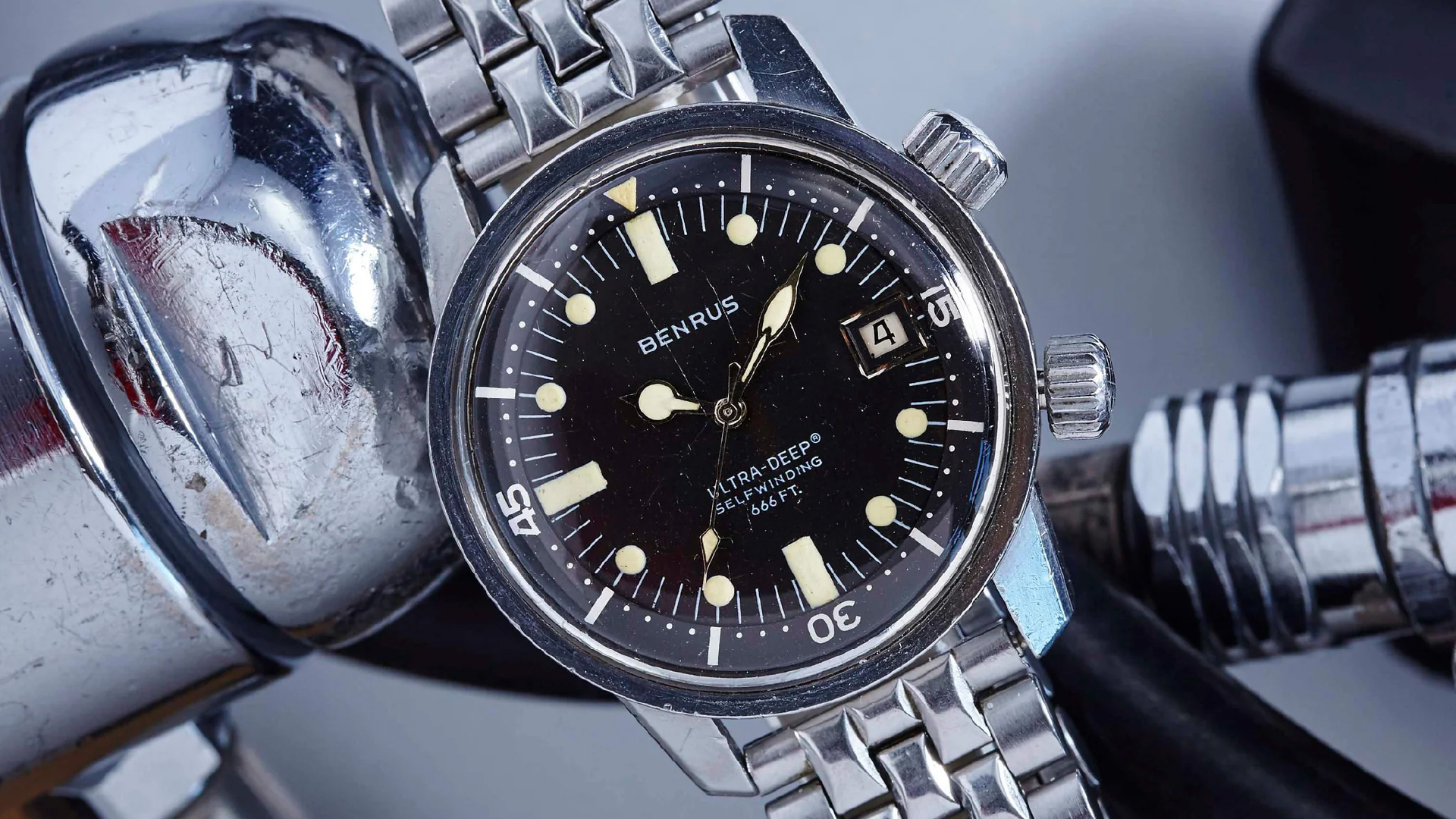
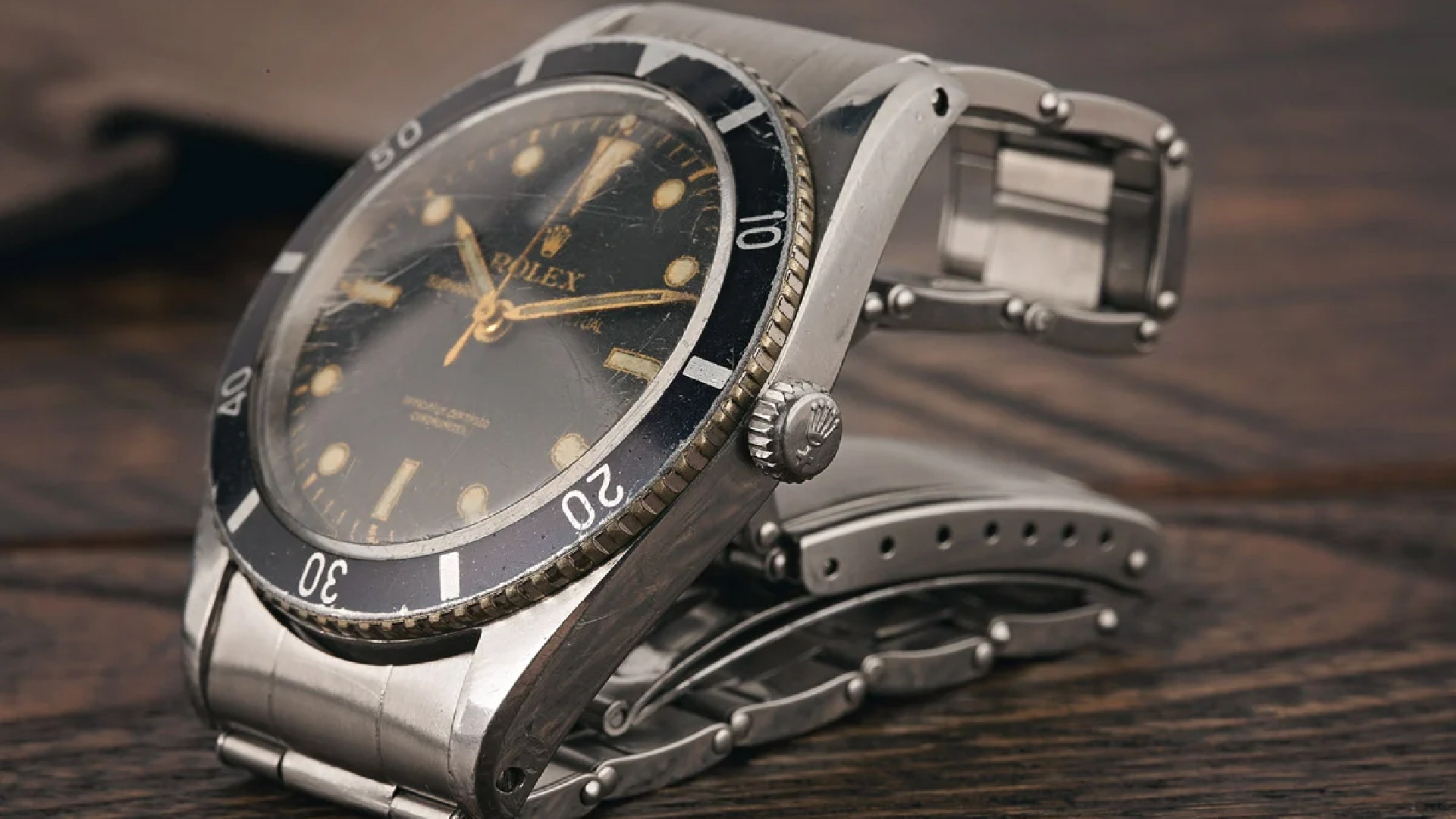
But sometimes I wonder what would have happened if we had been honest about this rearranged time. If, instead of passing these watches off as Omegas and Longines that had taken a wrong turn at Mazgaon Dock, we had declared them proudly for what they were. Contradictions in a caseback. A Longines dial with a Favre Leuba heart. A Seiko hand sweeping across an HMT face. Rivalries married in brass.
Imagine if we had leaned into this chaos. If we had simply said, “Of course it looks wrong. It is meant to.” If we had turned the mongrel watch from a counterfeit into a creed. A folk art of deliberate disobedience. A statement piece that existed precisely because it couldn’t have happened anywhere else. Every borrowed dial, every adopted movement, every mismatched case adding not confusion, but lore. A sum greater, stranger and more compelling than any of its parts.
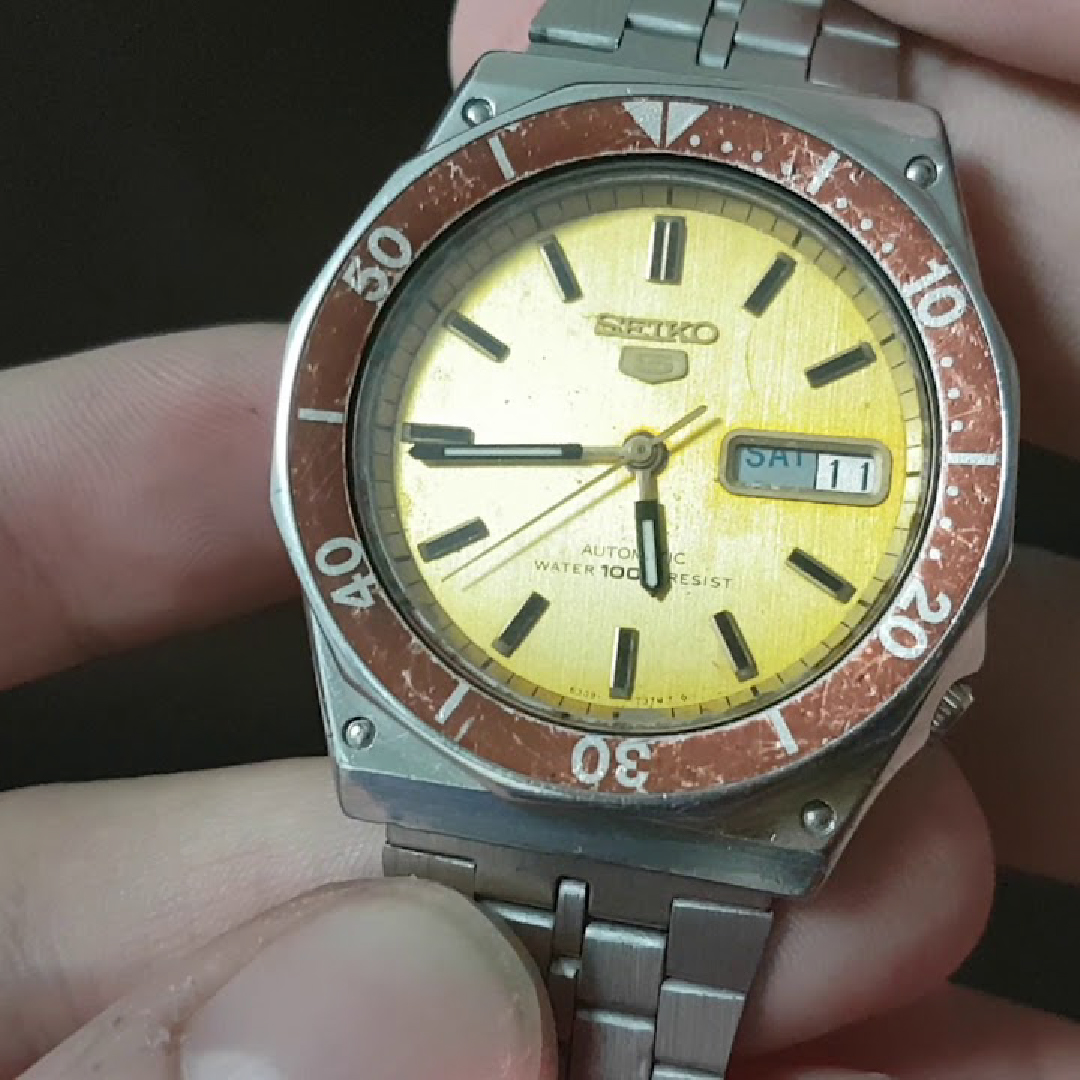
In that universe, Byculla’s dial painters would not be anonymous men in back rooms. They would be featured in weekend magazines as ‘India’s original pop-horologists,’ their colour palettes analysed the way we now analyse Wes Anderson’s.
The men soldering hands and swapping hearts in the back lanes of Crawford Market would be seen as folk artists, the keepers of a homegrown avant-garde.
Collectors in Tokyo and Berlin would brag about owning a “Byculla Diver” or a “Mohammed Ali Road Chronograph,” each one proudly misaligned, proudly disobedient.
Even the marketing would write itself. A Mumbai Special would not hide its mismatched parts. It would advertise them.
“Powered by Seiko. Designed by Omega. Case by Whoever Showed Up.”
The tagline would read: Time That Doesn’t Pretend.
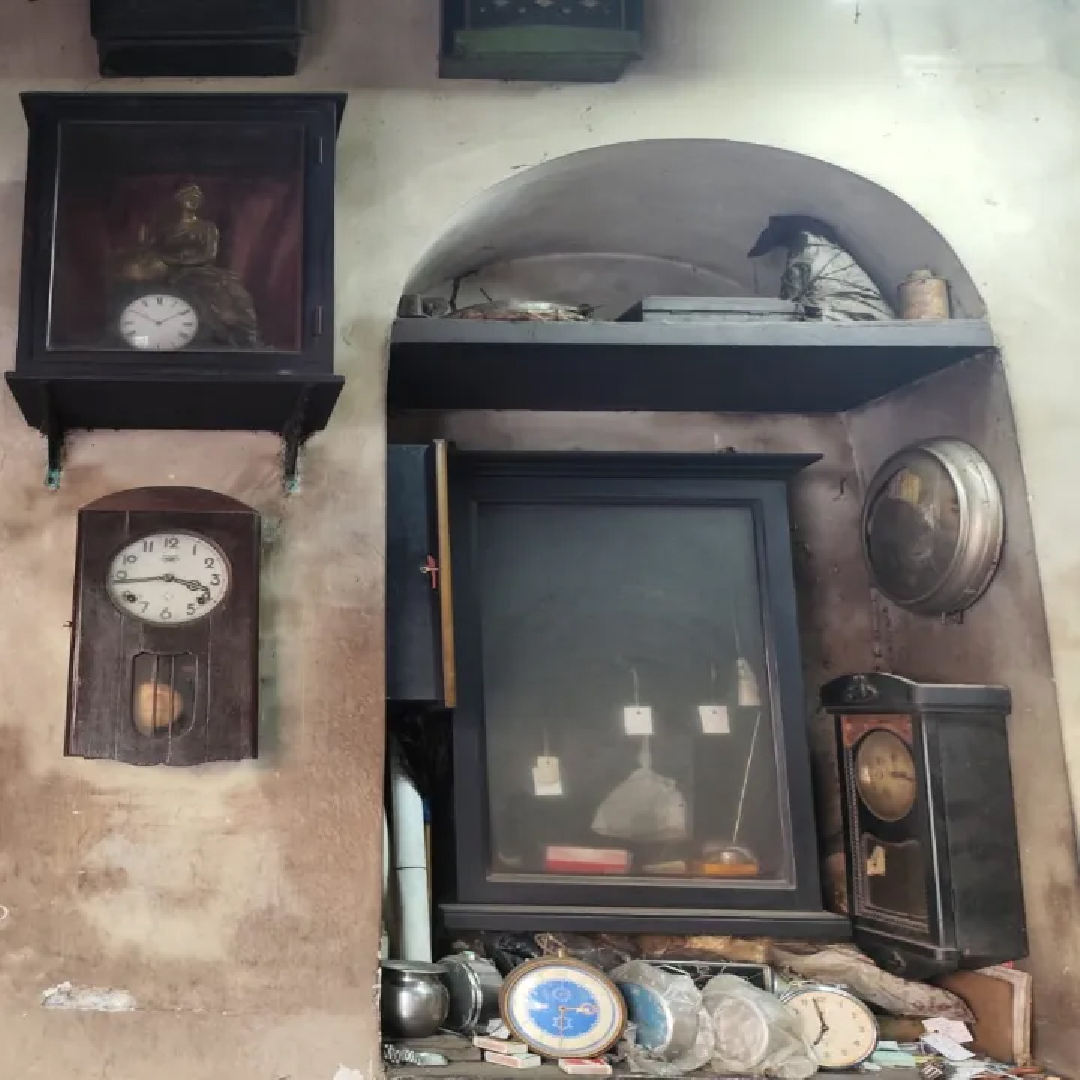
Somewhere in that universe, the man in the Crawford Market booth would still be bent over his workbench, only now he would be introduced in business studies as ‘the maker of subcontinental hybrid horology.’
He would shrug in the same way, mutter “Karna padta hai,” and go back to rearranging the seconds. Only this time, the world would be paying attention. For the right reasons.
I step off the main road and into a narrow lane behind Crawford Market, the kind of place where the city forgets to perform. The air changes first. Fresh fruit and wet pavement give way to the smell of solder, old leather, and transistor radios that refuse to die. Shops lean into each other like tired men; their signboards tilt at angles a geometry teacher would weep over.
A man selling counterfeit sunglasses looks up, decides I am neither customer nor threat, and returns to his lunch. Somewhere deeper in the lane, a welding torch hisses like a warning. Above it all, the familiar Bombay Brownian. Vendors bargaining, birds quarrelling on rooftops, a distant train exhaling. But all of it is muffled, as if someone has thrown a blanket over the soundtrack.
I walk past shutter-sized stores stacked with everything from calculator batteries to abandoned typewriters. Nobody tells you this, but the underbelly of Mumbai runs on repair. A city of improvisers needs men who can argue with broken things.
The Lane of Lost Hours
To my left, I see a small signboard painted in a shade of blue that the monsoon has tried, and failed, to erase.
The shop is barely the size of a confession booth. A single bulb flickers overhead like it is practising dying. Behind a wooden counter sits a watchmaker who could easily be mistaken for the narrator of a noir novel - one eye behind a scratched magnifying loupe, the other squinting as if the world’s details require caution. His hands move with the slow, steady confidence of someone who believes machines will eventually tell the truth.
I stand by the doorway for a moment, letting my eyes adjust. The walls are covered with clocks that disagree with each other. The counter is a graveyard of watch parts: hands shaped like tiny scythes, glass crystals stacked like dragon scales, gears that gleam with the stubborn pride of old brass.
He doesn’t look up. Not yet.
Watchmakers, I realise, acknowledge people only between ticks.
Mumbai isn’t the only place where you find these men who have slipped through the cracks of time, soldering the past back together with a steadiness the world no longer practices. Every city has a few of them. Patient, underpaid, half-forgotten. Repairing time from within, one reluctant gear at a time.
I keep running into men like these. Like that one afternoon in 2018, when I walked into a tiny, unkempt shop near Haji Nizamuddin Dargah, with optimism in one pocket and a dangerously light wallet in the other.
Photo credit - The Hindustan Times
Back then, I looked at vintage watches with the same wistful curiosity not-so-young men reserve for impossible things - old loves, lost cities, and sometimes, petite women.
What I found there wasn’t just watches. It was time itself. Chipped, bartered, mismatched.
Sometimes dishonest, often ingenious. Kept alive by someone who still believed yesterday deserved another chance.
Time, Rearranged
If you follow the trail long enough, from Crawford Market to Byculla to the anonymous back lanes of Mohammed Ali Road, you begin to see the same pattern repeat.
Here, the word ‘vintage’ does not mean heritage. It means inventory.
Small plastic trays overflow with dials that once belonged to respectable Swiss watches. Some bear names that have travelled across continents. Omega. Longines. Titoni. Favre Leuba. Others are anonymous, stripped of identity, waiting for a new one to be painted on. One can even find an occasional Allwyn or a Hegde & Golay, both part of an almost forgotten chapter of the homegrown hour.
Movements arrive in gunny bags. A watchmaker reaches in and pulls one out without looking, the way a butcher picks a cut of meat. If it ticks, it lives. If it doesn’t, it becomes donor material.
On another bench, a case is being polished to remove the ghosts of its former life. Once it is buffed to a blind shine, it will be asked to house a dial far more ambitious than its lineage permits.
Everything in these rooms has a secret.
In the 1990s, when the global appetite for vintage watches suddenly ballooned, these workshops became silent participants in an unspoken trade. Dealers in London and New York, dazzled by the prospect of bargains, bought Mumbai stock by the crates. Weeks later, when the watches reached a watchmaker with proper tools and proper expectations, the truth spilt out like an apology.
These weren’t rare watches with heritage. They weren’t even a very good lie.
The collapse of HMT, the influx of cheap Chinese quartz watches, and the vanishing of repair culture left thousands of craftsmen stranded. Men who could regulate a balance wheel by ear suddenly had no one left to employ that gift. So they turned to the only thing their hands still knew how to do. They assembled time out of whatever the world had discarded.
Picture credit - The Watch Site
Ask them if this is wrong, and they will shrug.
Ask them if they are proud, and they will sigh.
Ask them why they still do it, and they will say the same thing, “Karna padta hai.”
An Alternate Time(Line)
But sometimes I wonder what would have happened if we had been honest about this rearranged time. If, instead of passing these watches off as Omegas and Longines that had taken a wrong turn at Mazgaon Dock, we had declared them proudly for what they were. Contradictions in a caseback. A Longines dial with a Favre Leuba heart. A Seiko hand sweeping across an HMT face. Rivalries married in brass.
Imagine if we had leaned into this chaos. If we had simply said, “Of course it looks wrong. It is meant to.” If we had turned the mongrel watch from a counterfeit into a creed. A folk art of deliberate disobedience. A statement piece that existed precisely because it couldn’t have happened anywhere else. Every borrowed dial, every adopted movement, every mismatched case adding not confusion, but lore. A sum greater, stranger and more compelling than any of its parts.
In that universe, Byculla’s dial painters would not be anonymous men in back rooms. They would be featured in weekend magazines as ‘India’s original pop-horologists,’ their colour palettes analysed the way we now analyse Wes Anderson’s.
The men soldering hands and swapping hearts in the back lanes of Crawford Market would be seen as folk artists, the keepers of a homegrown avant-garde.
Collectors in Tokyo and Berlin would brag about owning a “Byculla Diver” or a “Mohammed Ali Road Chronograph,” each one proudly misaligned, proudly disobedient.
Even the marketing would write itself. A Mumbai Special would not hide its mismatched parts. It would advertise them.
“Powered by Seiko. Designed by Omega. Case by Whoever Showed Up.”
The tagline would read: Time That Doesn’t Pretend.
Somewhere in that universe, the man in the Crawford Market booth would still be bent over his workbench, only now he would be introduced in business studies as ‘the maker of subcontinental hybrid horology.’
He would shrug in the same way, mutter “Karna padta hai,” and go back to rearranging the seconds. Only this time, the world would be paying attention. For the right reasons.


.jpg)
.png)
.jpg)