Join CHRONOHOLIC today!
All the watch news, reviews, videos you want, brought to you from fellow collectors
All the watch news, reviews, videos you want, brought to you from fellow collectors
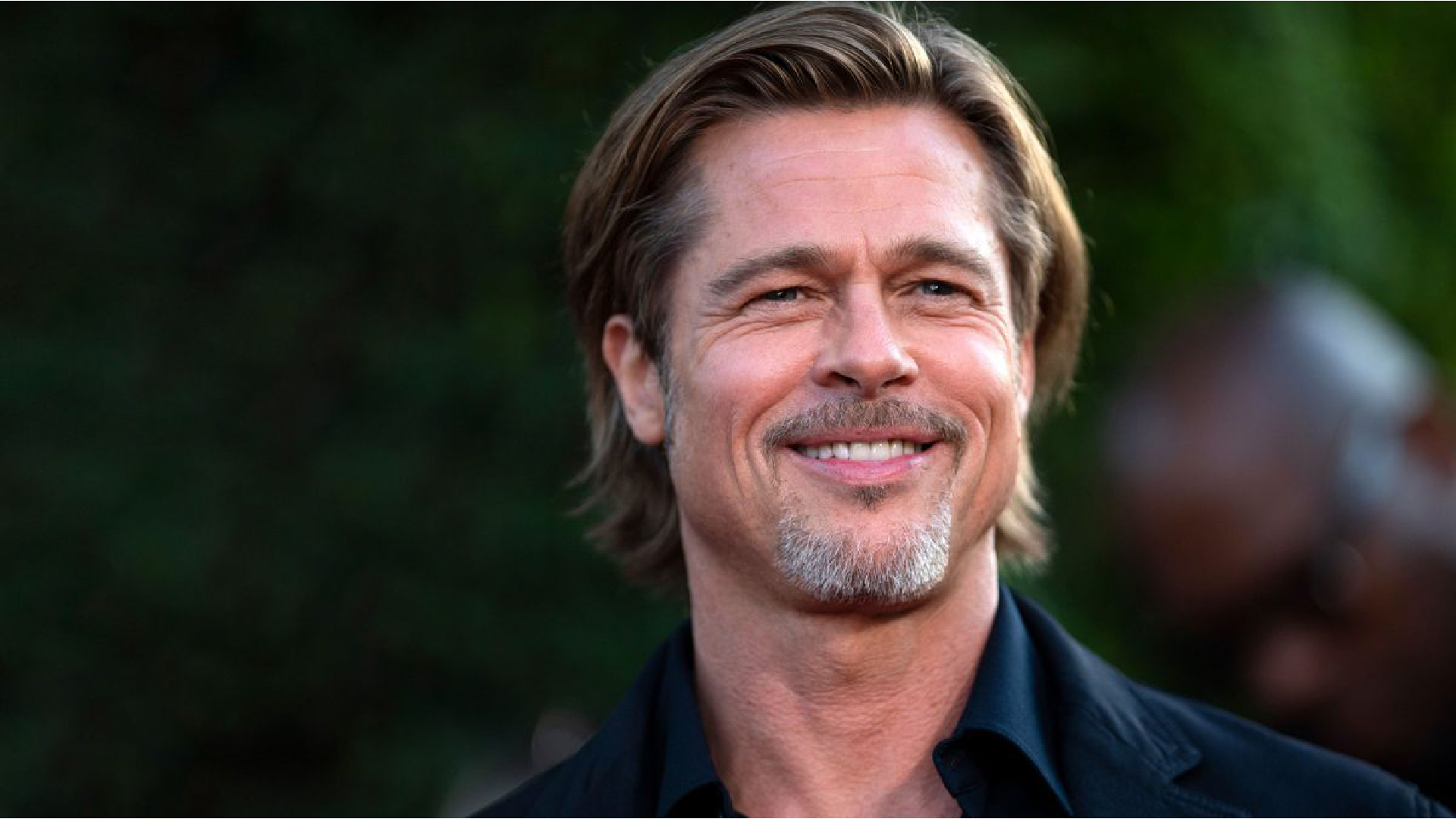

There are collectors who acquire watches and then there are those who curate time. The distinction is not loud, but it is absolute. It lies not in accumulation, but in discernment. In the ability to choose with restraint, to edit with precision, and to build a collection that reflects an inner stillness rather than an external need for display. It is a philosophy that cannot be imitated, only lived. Few embody this sensibility as instinctively as Brad Pitt.

His watch collection does not announce itself. It reveals itself - slowly, deliberately, almost reluctantly - to those who understand what they are observing. It is not assembled for spectacle. It is shaped by instinct, and in that quiet shaping lies its power. There is no urgency in it, no anxiety to be seen. Only a deep, almost meditative, engagement with time itself.

At the heart of it is an enduring relationship with Patek Philippe. The Patek Philippe Nautilus Ref. 3700 and the Patek Philippe Nautilus Ref. 5711 are not merely icons - they are continuities. Designs that have transcended time without surrendering to it. To wear a Nautilus is to align oneself with permanence, with a language that does not seek relevance because it already possesses it. It is a choice that signals not arrival, but understanding.

Then, the rare and almost lyrical Patek Philippe Calatrava Ref. 2526. An enamel dial that carries within it the patience of another era. A watch that feels less like an object and more like memory - softened, enduring, impossibly intact. It evokes the same quiet romance as The Curious Case of Benjamin Button, where time is not a straight line but a deeply personal experience - felt, stretched, and remembered. It reminds us that time, when held gently, reveals more than when it is chased. This is where the philosophy begins to take shape.

Not in the pursuit of the new, but in the recognition of what has already passed. Not in novelty, but in continuity. In a world obsessed with what’s next, this is a deliberate return to what endures. This instinct extends seamlessly into his relationship with Rolex - the foundation of many collections, but rarely this thoughtfully interpreted. The Rolex Day-Date carries a quiet authority, reminiscent of the composed confidence he brought to Moneyball. It is not performative. It is assured. It speaks in a tone that does not require amplification.
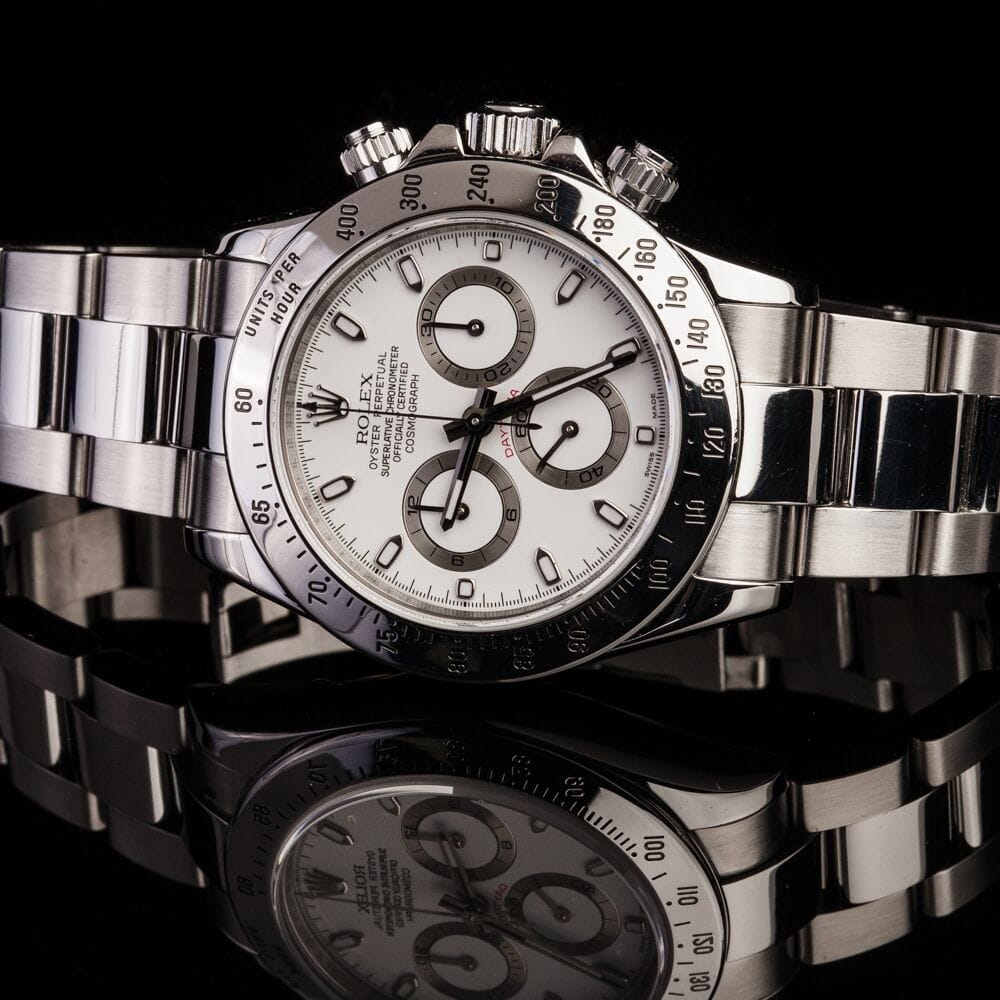
Then comes the collector’s piece - the Rolex Daytona Zenith 16520. There is an intensity to it. A precision that feels almost cinematic, not unlike the psychological tension of Se7en. It does not ask to be noticed. It demands to be understood. It rewards those who are willing to look deeper. Alongside these are the quieter constants - the Rolex Explorer, the Rolex Submariner, the Rolex Yacht-Master - each one a study in utility refined by elegance. Together, they form a language of stability. Of knowing. Of choosing what endures, even when the world is chasing what’s new. But it is in the less obvious choices that true taste reveals itself.

The presence of Vacheron Constantin - particularly the Vacheron Constantin 222 - is not a statement for the room. It is a conversation for the initiated. It exists in a quieter register, one that values heritage over hype. To choose it is to step away from recognition and into reverence. It carries the same quiet brilliance as The Assassination of Jesse James by the Coward Robert Ford - a work that does not seek mass approval, yet holds immense depth for those who engage with it fully. It is not immediate. It is immersive.

There is intimacy in such choices. A sense that not everything valuable needs to be visible. This intimacy deepens with IWC Schaffhausen and the IWC Ingenieur. Here, the collector becomes a collaborator. The relationship shifts from admiration to participation. The watch is no longer just worn - it is interpreted, lived with, understood over time. It mirrors an evolution - from actor to storyteller, from presence to influence - much like the transition embodied in projects such as 12 Years a Slave. There is intention here. A desire not just to wear time, but to shape it.

Even the more contemporary alignments - with Breitling through pieces like the Breitling Navitimer and Breitling Premier Chronograph - do not disrupt the narrative. They extend it. They show that evolution does not have to come at the cost of coherence.

The structured elegance of Cartier - seen in the Cartier Tank - and the occasional architectural boldness of Audemars Piguet with the Audemars Piguet Royal Oak introduce variation without fragmentation. Because true taste is not rigid. It evolves - without ever losing its centre. That centre, in this case, is unmistakable. An unwavering commitment to restraint, to choosing depth over display, legacy over trend, meaning over momentum. This is the long game. Not just of collecting, but of living. Because the principles that define a refined collection are the same ones that define a considered life.
The ability to wait. The discipline to say no. The awareness to recognise what truly matters. Not every piece needs to be owned. Not every opportunity needs to be taken. Not every moment needs to be amplified. There is elegance in editing. In allowing space. In understanding that what is left out is as important as what is included. In fact, sometimes it is what is left out that defines the whole.

Over time, a collection shaped in this way becomes something more than an assemblage of objects. It becomes narrative. A quiet, unfolding story told through references and choices. The vintage piece that marks a moment of introspection. The everyday watch that witnessed years of steady growth. The rare acquisition that required patience - and belief.
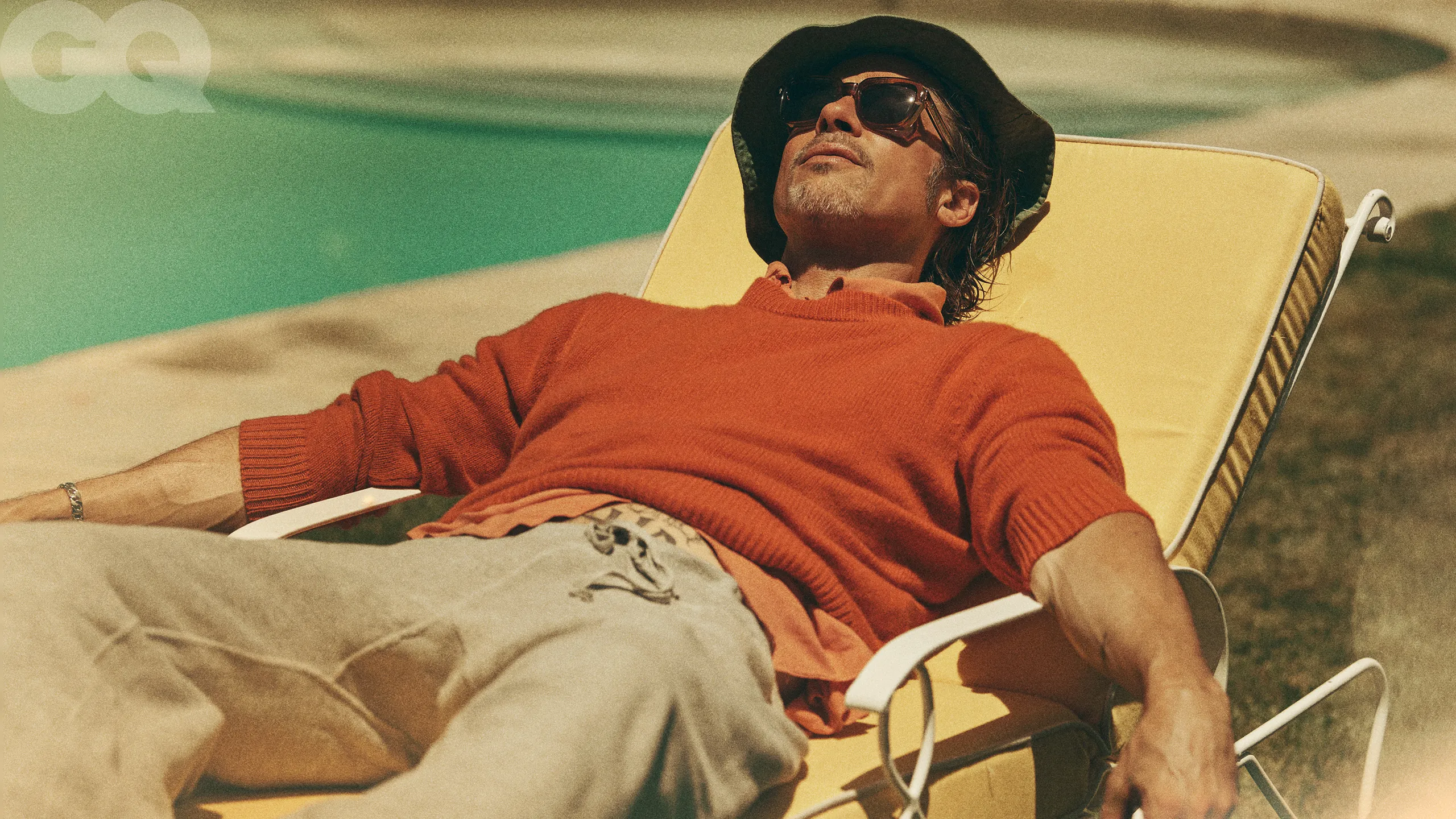
Each one carries a fragment of time. Together, they create continuity. They become markers - not just of moments, but of meaning. This is the essence of a collector with taste. Not someone who owns many watches. But someone who understands what each watch means - and why it deserves to be there. Because in the end, watches are not about time. They are about how we relate to it.

How we honour it. How we move through it. How we allow it to shape us without rushing to outpace it. And perhaps that is the quiet lesson here. That the most refined expressions of luxury are not those that demand attention - but those that reward it. That the most powerful statements are not the loudest - but the most considered. That the true measure of a collection is not in what it shows the world - but in what it reveals about the one who chose it. Time, after all, is always moving. But the way we choose to meet it - with patience, with clarity, with intention - that is where taste begins, and where it endures.
About the author | Shormila Bhowmik is a veteran Business & Lifestyle journalist. She is the founder of Mocha Ink Mag and the host of Mocha Talks podcast. A connoisseur of good life and conscious living, her column blends her literary taste in classics with the timelessness of timepieces.
There are collectors who acquire watches and then there are those who curate time. The distinction is not loud, but it is absolute. It lies not in accumulation, but in discernment. In the ability to choose with restraint, to edit with precision, and to build a collection that reflects an inner stillness rather than an external need for display. It is a philosophy that cannot be imitated, only lived. Few embody this sensibility as instinctively as Brad Pitt.
His watch collection does not announce itself. It reveals itself - slowly, deliberately, almost reluctantly - to those who understand what they are observing. It is not assembled for spectacle. It is shaped by instinct, and in that quiet shaping lies its power. There is no urgency in it, no anxiety to be seen. Only a deep, almost meditative, engagement with time itself.
At the heart of it is an enduring relationship with Patek Philippe. The Patek Philippe Nautilus Ref. 3700 and the Patek Philippe Nautilus Ref. 5711 are not merely icons - they are continuities. Designs that have transcended time without surrendering to it. To wear a Nautilus is to align oneself with permanence, with a language that does not seek relevance because it already possesses it. It is a choice that signals not arrival, but understanding.
Then, the rare and almost lyrical Patek Philippe Calatrava Ref. 2526. An enamel dial that carries within it the patience of another era. A watch that feels less like an object and more like memory - softened, enduring, impossibly intact. It evokes the same quiet romance as The Curious Case of Benjamin Button, where time is not a straight line but a deeply personal experience - felt, stretched, and remembered. It reminds us that time, when held gently, reveals more than when it is chased. This is where the philosophy begins to take shape.
Not in the pursuit of the new, but in the recognition of what has already passed. Not in novelty, but in continuity. In a world obsessed with what’s next, this is a deliberate return to what endures. This instinct extends seamlessly into his relationship with Rolex - the foundation of many collections, but rarely this thoughtfully interpreted. The Rolex Day-Date carries a quiet authority, reminiscent of the composed confidence he brought to Moneyball. It is not performative. It is assured. It speaks in a tone that does not require amplification.
Then comes the collector’s piece - the Rolex Daytona Zenith 16520. There is an intensity to it. A precision that feels almost cinematic, not unlike the psychological tension of Se7en. It does not ask to be noticed. It demands to be understood. It rewards those who are willing to look deeper. Alongside these are the quieter constants - the Rolex Explorer, the Rolex Submariner, the Rolex Yacht-Master - each one a study in utility refined by elegance. Together, they form a language of stability. Of knowing. Of choosing what endures, even when the world is chasing what’s new. But it is in the less obvious choices that true taste reveals itself.
The presence of Vacheron Constantin - particularly the Vacheron Constantin 222 - is not a statement for the room. It is a conversation for the initiated. It exists in a quieter register, one that values heritage over hype. To choose it is to step away from recognition and into reverence. It carries the same quiet brilliance as The Assassination of Jesse James by the Coward Robert Ford - a work that does not seek mass approval, yet holds immense depth for those who engage with it fully. It is not immediate. It is immersive.
There is intimacy in such choices. A sense that not everything valuable needs to be visible. This intimacy deepens with IWC Schaffhausen and the IWC Ingenieur. Here, the collector becomes a collaborator. The relationship shifts from admiration to participation. The watch is no longer just worn - it is interpreted, lived with, understood over time. It mirrors an evolution - from actor to storyteller, from presence to influence - much like the transition embodied in projects such as 12 Years a Slave. There is intention here. A desire not just to wear time, but to shape it.
Even the more contemporary alignments - with Breitling through pieces like the Breitling Navitimer and Breitling Premier Chronograph - do not disrupt the narrative. They extend it. They show that evolution does not have to come at the cost of coherence.
The structured elegance of Cartier - seen in the Cartier Tank - and the occasional architectural boldness of Audemars Piguet with the Audemars Piguet Royal Oak introduce variation without fragmentation. Because true taste is not rigid. It evolves - without ever losing its centre. That centre, in this case, is unmistakable. An unwavering commitment to restraint, to choosing depth over display, legacy over trend, meaning over momentum. This is the long game. Not just of collecting, but of living. Because the principles that define a refined collection are the same ones that define a considered life.
The ability to wait. The discipline to say no. The awareness to recognise what truly matters. Not every piece needs to be owned. Not every opportunity needs to be taken. Not every moment needs to be amplified. There is elegance in editing. In allowing space. In understanding that what is left out is as important as what is included. In fact, sometimes it is what is left out that defines the whole.
Over time, a collection shaped in this way becomes something more than an assemblage of objects. It becomes narrative. A quiet, unfolding story told through references and choices. The vintage piece that marks a moment of introspection. The everyday watch that witnessed years of steady growth. The rare acquisition that required patience - and belief.
Each one carries a fragment of time. Together, they create continuity. They become markers - not just of moments, but of meaning. This is the essence of a collector with taste. Not someone who owns many watches. But someone who understands what each watch means - and why it deserves to be there. Because in the end, watches are not about time. They are about how we relate to it.
How we honour it. How we move through it. How we allow it to shape us without rushing to outpace it. And perhaps that is the quiet lesson here. That the most refined expressions of luxury are not those that demand attention - but those that reward it. That the most powerful statements are not the loudest - but the most considered. That the true measure of a collection is not in what it shows the world - but in what it reveals about the one who chose it. Time, after all, is always moving. But the way we choose to meet it - with patience, with clarity, with intention - that is where taste begins, and where it endures.
About the author | Shormila Bhowmik is a veteran Business & Lifestyle journalist. She is the founder of Mocha Ink Mag and the host of Mocha Talks podcast. A connoisseur of good life and conscious living, her column blends her literary taste in classics with the timelessness of timepieces.