


Join CHRONOHOLIC today!
All the watch news, reviews, videos you want, brought to you from fellow collectors
All the watch news, reviews, videos you want, brought to you from fellow collectors
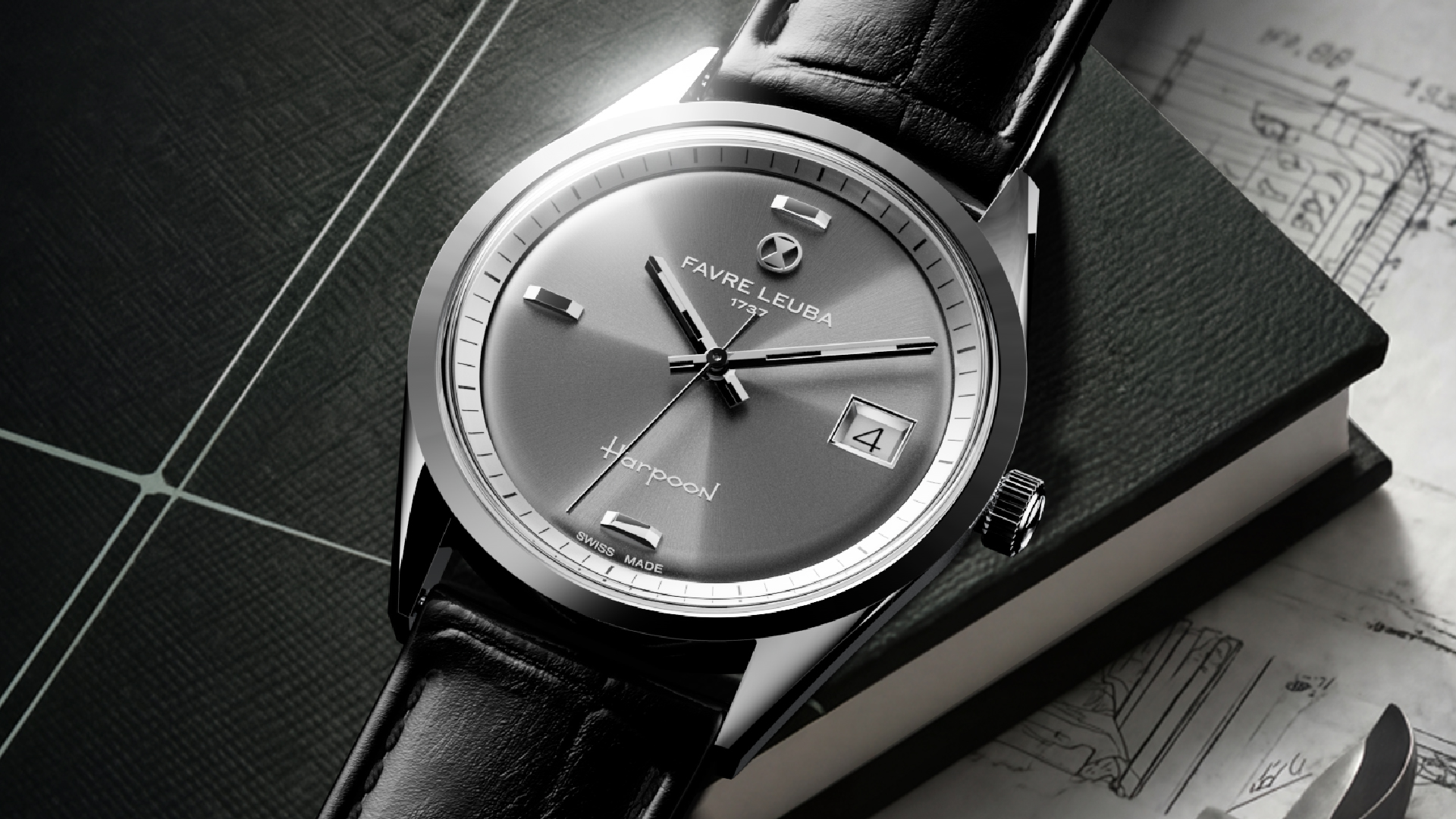

Among the many comebacks in the world of horology, Favre Leuba’s has been a significant one. The historic watch brand – the second oldest after Blancpain (1735) – has undergone a dramatic multi-decade journey from an iconic Swiss watchmaker to a recently revived independent luxury brand. It was founded in 1737 and, in 1865, became the first Swiss watch brand to enter India. In the 1960s, it achieved legendary status with innovative tool watches like the Deep Blue dive watch and the Bivouac, the world's first mechanical altimeter wristwatch. Then the brand faced a downfall during the Quartz Crisis and changed hands several times over a few decades before being acquired by Titan Company (part of India's Tata Group) in 2011. However, in late 2020, after reporting insufficient commercial headway and significant losses, Titan scaled down operations and effectively mothballed the brand. In 2023, the brand was then taken over by Swiss entity Silvercity Brands AG, backed by Indian luxury retailer Ethos, and under the leadership of industry veteran Patrik Hoffmann, Favre Leuba was officially revived at Geneva Watch Days in August 2024 with 22 new references across three collections (Chief, Deep Raider, and Sea Sky).
Today, Favre Leuba is firmly back on the global luxury horology map and has made its debut at the prestigious Watches and Wonders fair in Geneva, where it showcased a new version of one of its vintage 1960s watches – the Harpoon Revival – and celebrated its founding year with an entirely new collection called the 1737, starting with a triple calendar complication.
Harpoon Revival
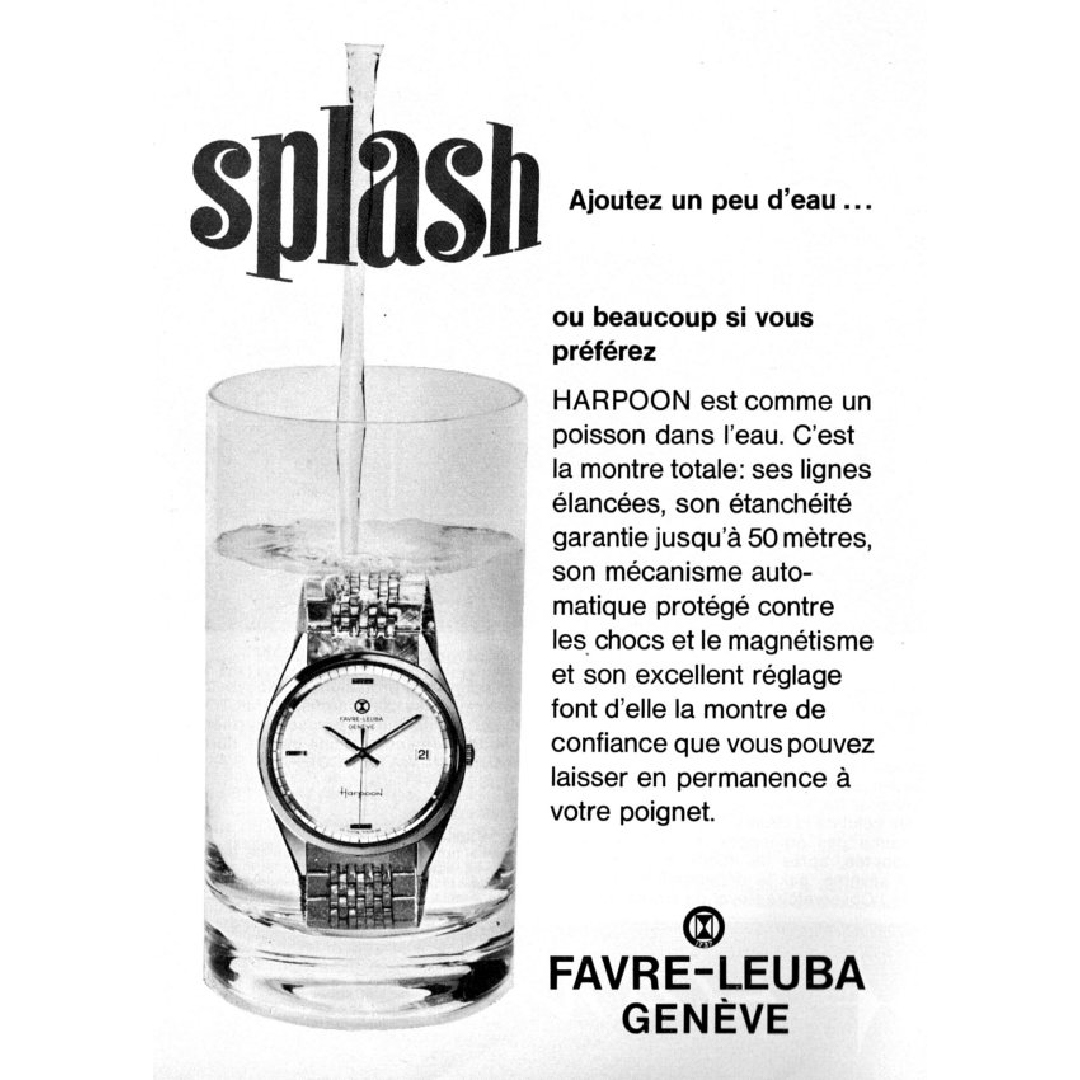
The Harpoon Revival marks the 60th anniversary of the original Harpoon model, first introduced in 1966. The new version stayed true to its DNA, retaining the parent model’s aesthetic while integrating modern engineering and details.
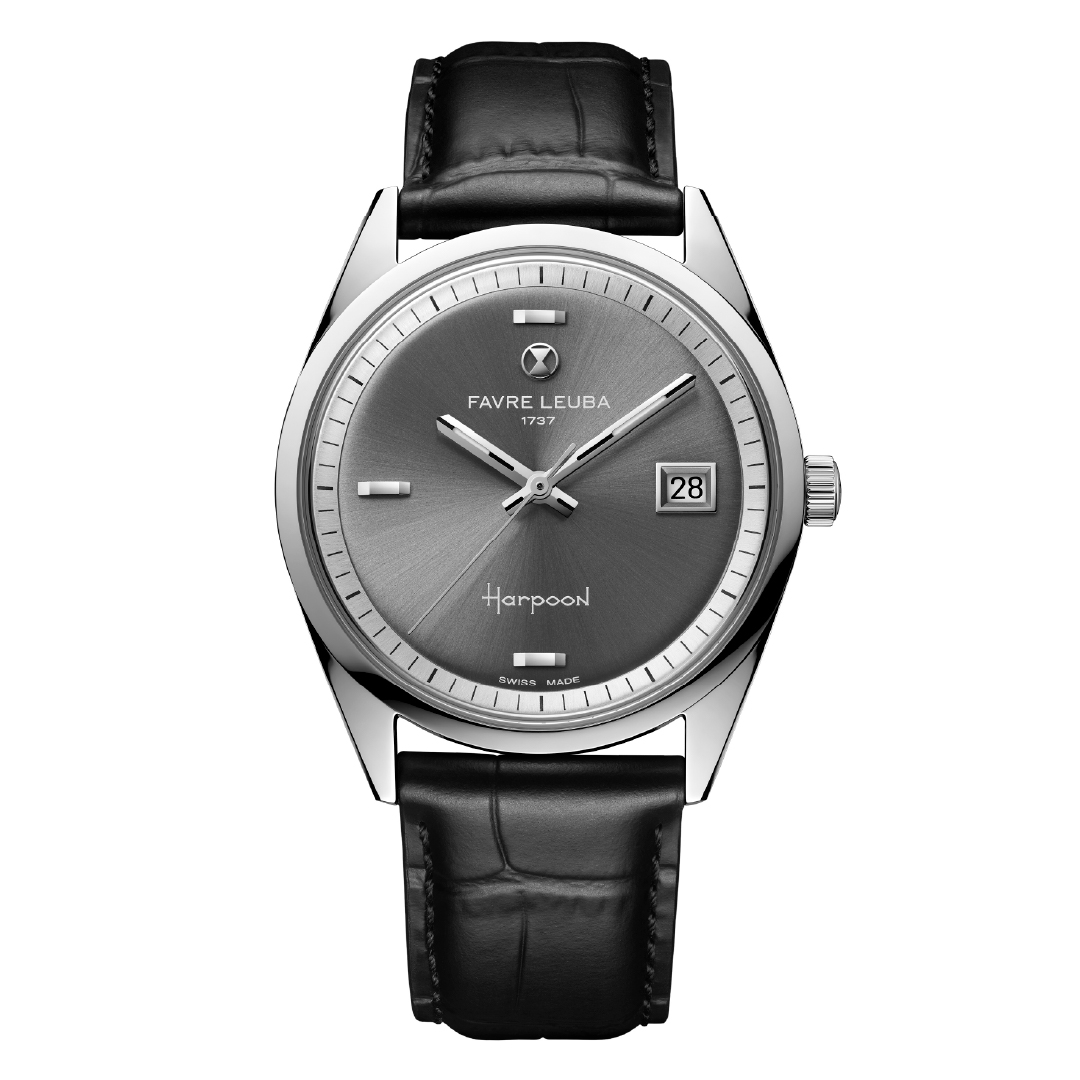
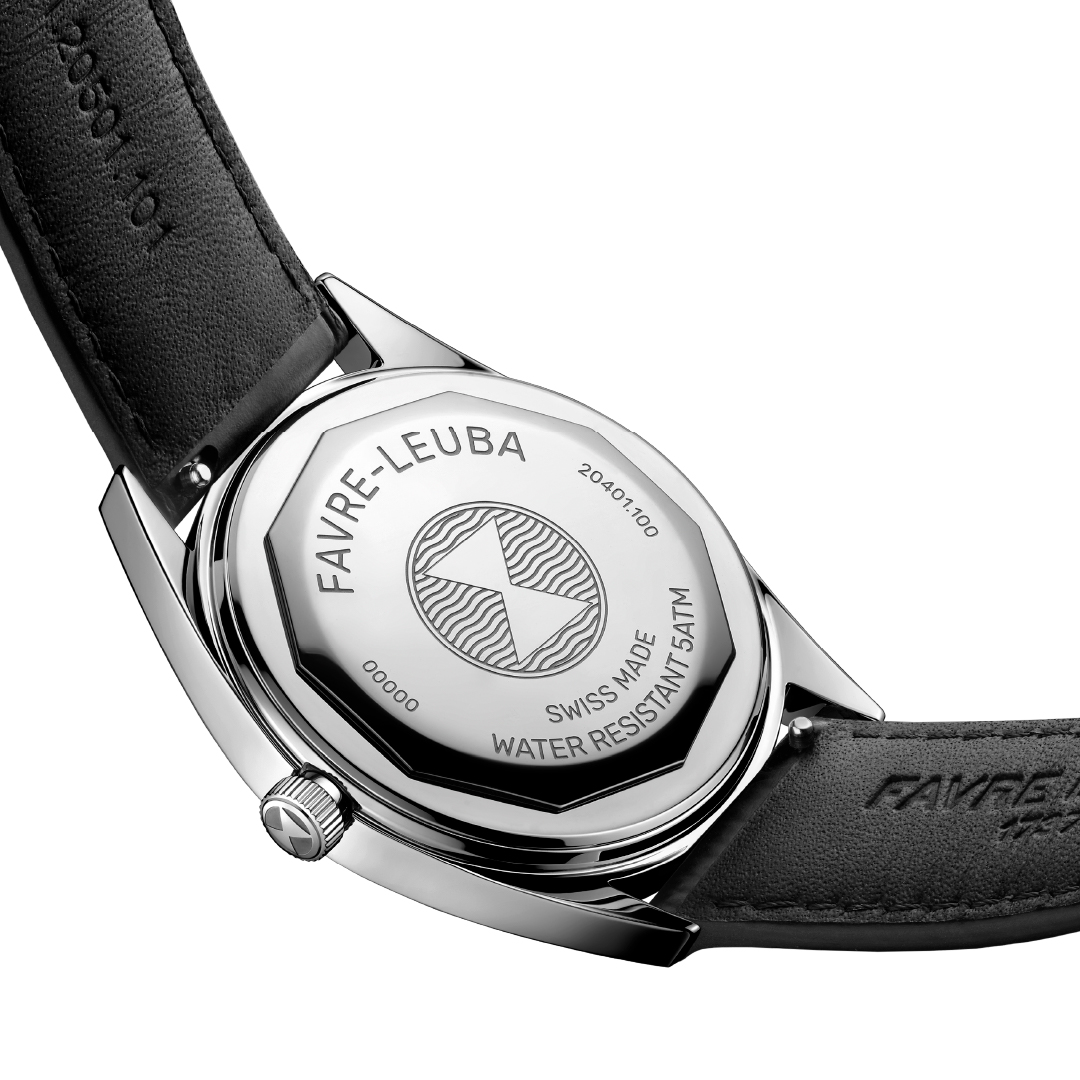
The watch features a 36.8 mm stainless steel case with a slim profile measuring 10 mm in thickness and a lug-to-lug length of 43.5 mm. It includes a polished steel bezel and an anti-reflective sapphire crystal. The crown at 3 o’clock has a textured rotating surface with the Favre Leuba hourglass monogram embossed on its flat surface. The closed steel caseback carries the engraved medallion of the original model, with the hourglass hallmark at the centre, period-correct typography, and the original circular layout of its inscriptions. The watch is water-resistant up to 5 ATM (50 metres).
The dial continues the grey colour theme of the parent model with a sunray-brushed finish. Rhodium-plated hour markers filled with Super-LumiNova are placed horizontally at the 12, 9, and 6 o’clock positions, and a framed date window lies at 3 o’clock. The Harpoon signature at 6 o’clock is kept the same as the parent model.
The watch is powered by the automatic FLD04 calibre, based on the La Joux-Perret G100. The movement delivers a power reserve of 68 hours while operating at 28,800 vibrations per hour (4 Hz).
The watch is paired with a black leather strap featuring an interchangeable strap system and a stainless steel pin buckle bearing the brand’s signature.
The watch is priced at INR 2,10,000.
1737 Triple Calendar
Alongside the Harpoon Revival, Favre Leuba also introduced the 1737 Triple Calendar. The name of the timepiece references the founding year of the brand; however, the references to the triple calendar concept date back much later, to 1946, with the introduction of the Datora. The Datora featured a triple calendar (day, date, month) with a moon phase display and, in some variations, a chronograph, and was one of the brand’s most important post-war watches. The triple calendar watches saw updates in the 1950s when Favre Leuba collaborated with Bovet and Frères and developed another version combined with a moon phase powered by Calibre 1162. This marked an important collaboration between brands and movement specialists.
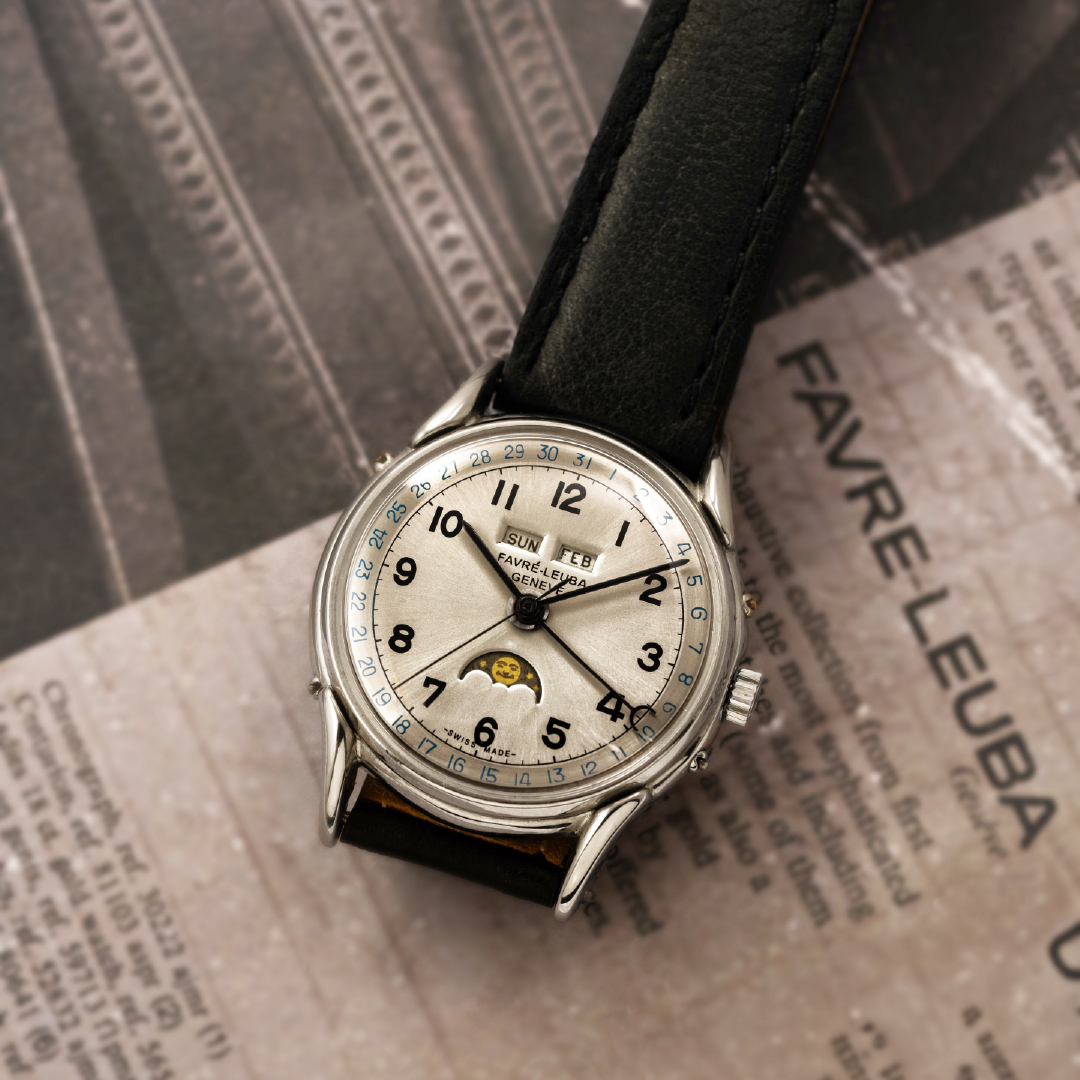
These two timepieces –1946 Datora and the 1950 Bovet & Frères triple calendar – laid the foundation for the new 1737 Triple Calendar. The watch is crafted in a 39 mm stainless steel case characterized by a sharp, streamlined profile. The water resistance of the case is 100 metres.
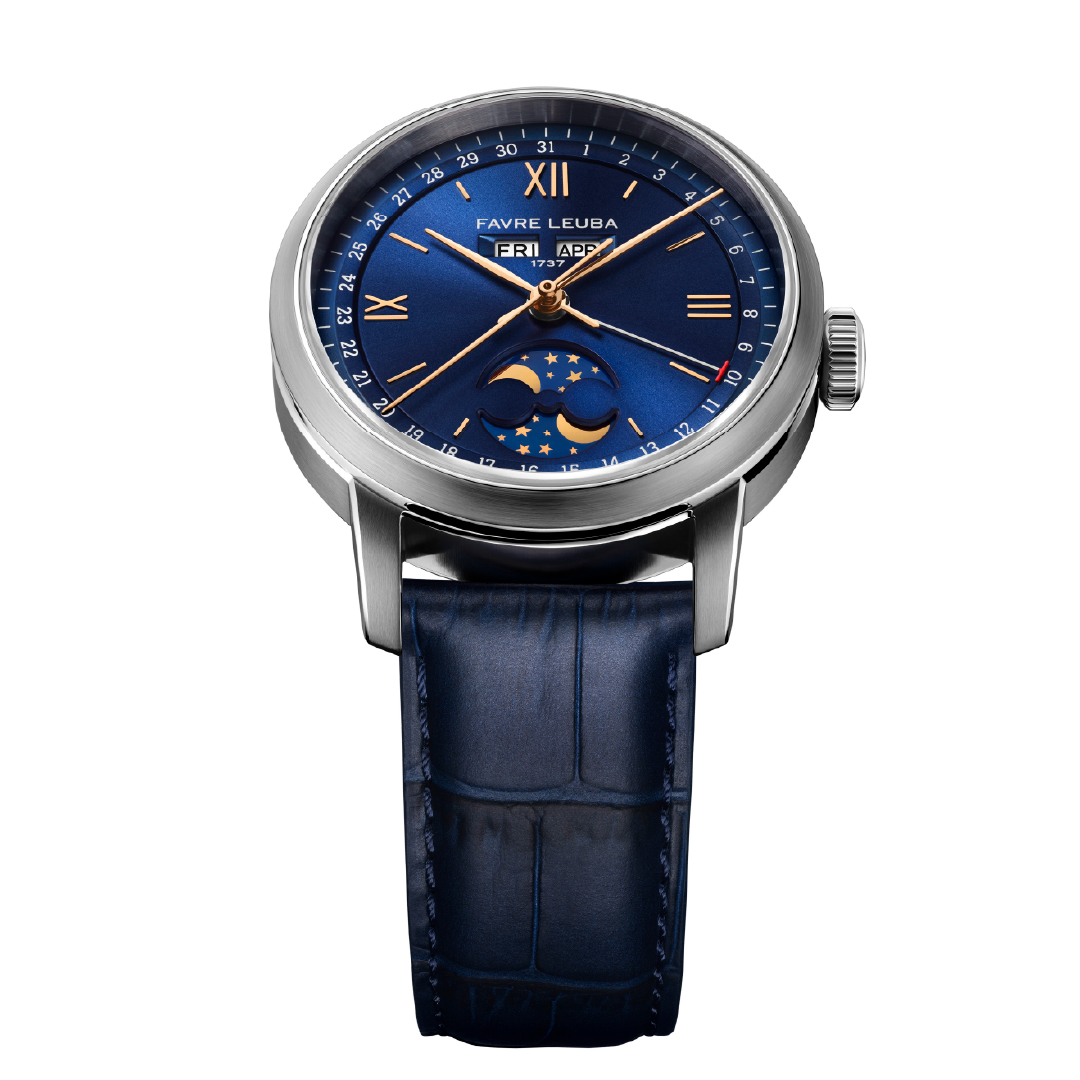
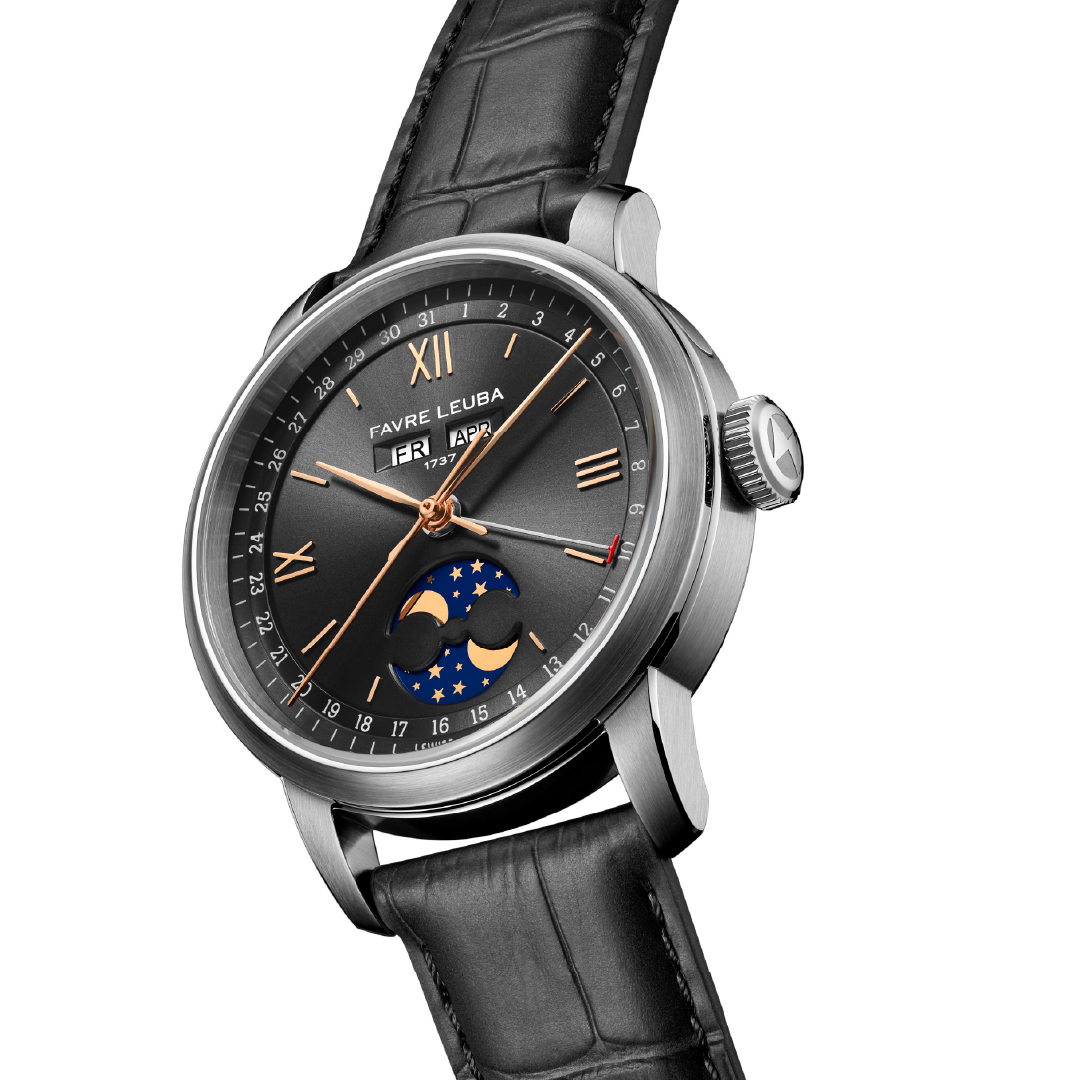
The dial – offered in blue, black, and silver colour variations – features a sunray finish with a brushed pointer-date track at the periphery. The 12, 9, and 3 o’clock positions feature Roman numerals, with stick indices at the remaining positions, all applied and finished with 4N gold and mirror polish. Beneath the 12 o’clock index lie the day and month windows, while 6 o’clock features the moon phase indicator. Discreet correctors are integrated into the case at the 2 o’clock and 10 o’clock positions for adjustment of the date and month.
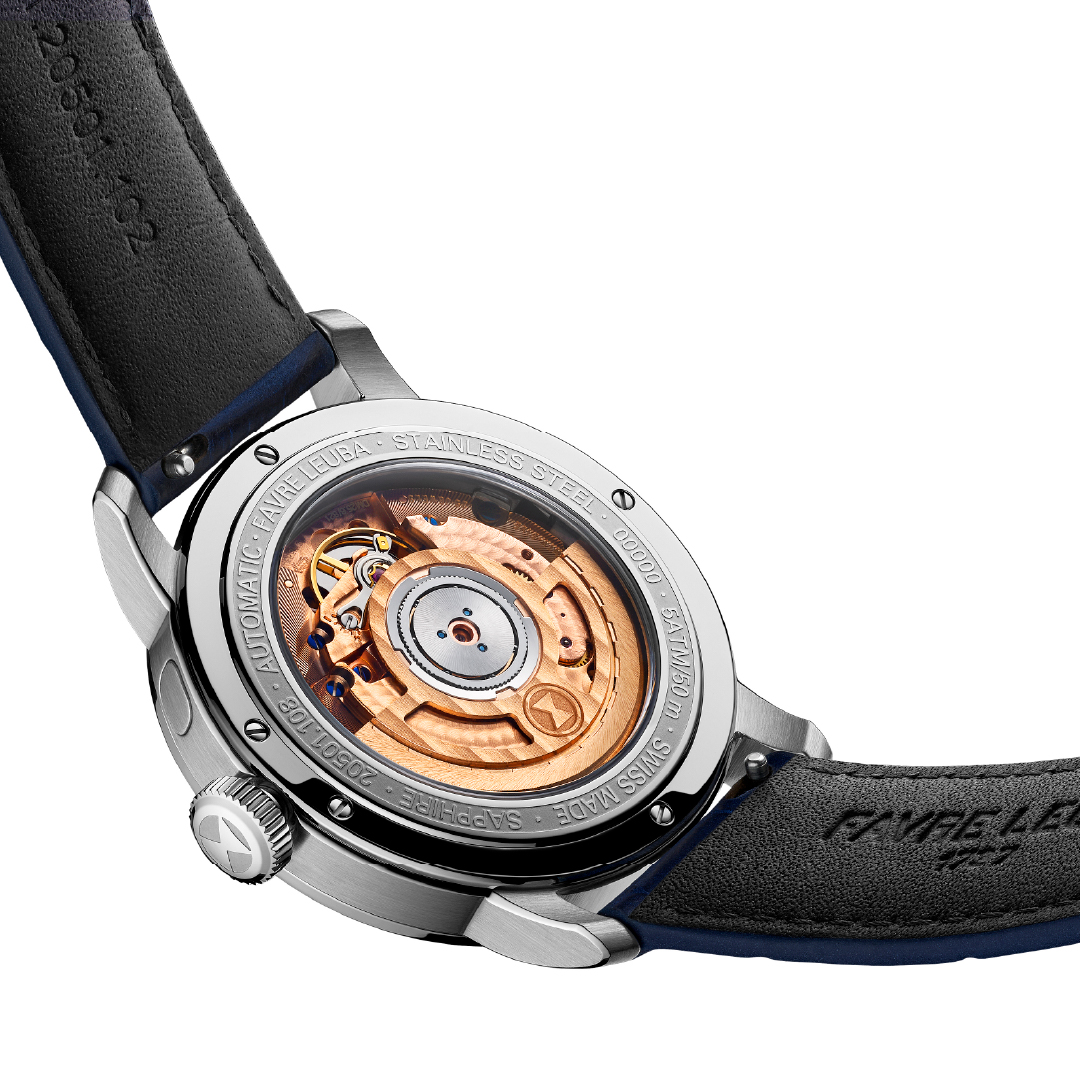
The watch is powered by the FLD06 calibre with a daily accuracy of approximately +/- 5 seconds and a 56-hour power reserve. Through the sapphire crystal caseback, the decorations on the movement are visible – Côtes de Genève, blued screws, perlage, diamond snailing, paper snailing, and the engraved sablier logo. The watch comes paired with a leather strap in either black or blue.
All three models of the 1737 Triple Calendar are priced at INR 3,95,000 each.
Images: Courtesy Favre Leuba
Among the many comebacks in the world of horology, Favre Leuba’s has been a significant one. The historic watch brand – the second oldest after Blancpain (1735) – has undergone a dramatic multi-decade journey from an iconic Swiss watchmaker to a recently revived independent luxury brand. It was founded in 1737 and, in 1865, became the first Swiss watch brand to enter India. In the 1960s, it achieved legendary status with innovative tool watches like the Deep Blue dive watch and the Bivouac, the world's first mechanical altimeter wristwatch. Then the brand faced a downfall during the Quartz Crisis and changed hands several times over a few decades before being acquired by Titan Company (part of India's Tata Group) in 2011. However, in late 2020, after reporting insufficient commercial headway and significant losses, Titan scaled down operations and effectively mothballed the brand. In 2023, the brand was then taken over by Swiss entity Silvercity Brands AG, backed by Indian luxury retailer Ethos, and under the leadership of industry veteran Patrik Hoffmann, Favre Leuba was officially revived at Geneva Watch Days in August 2024 with 22 new references across three collections (Chief, Deep Raider, and Sea Sky).
Today, Favre Leuba is firmly back on the global luxury horology map and has made its debut at the prestigious Watches and Wonders fair in Geneva, where it showcased a new version of one of its vintage 1960s watches – the Harpoon Revival – and celebrated its founding year with an entirely new collection called the 1737, starting with a triple calendar complication.
Harpoon Revival
The Harpoon Revival marks the 60th anniversary of the original Harpoon model, first introduced in 1966. The new version stayed true to its DNA, retaining the parent model’s aesthetic while integrating modern engineering and details.
The watch features a 36.8 mm stainless steel case with a slim profile measuring 10 mm in thickness and a lug-to-lug length of 43.5 mm. It includes a polished steel bezel and an anti-reflective sapphire crystal. The crown at 3 o’clock has a textured rotating surface with the Favre Leuba hourglass monogram embossed on its flat surface. The closed steel caseback carries the engraved medallion of the original model, with the hourglass hallmark at the centre, period-correct typography, and the original circular layout of its inscriptions. The watch is water-resistant up to 5 ATM (50 metres).
The dial continues the grey colour theme of the parent model with a sunray-brushed finish. Rhodium-plated hour markers filled with Super-LumiNova are placed horizontally at the 12, 9, and 6 o’clock positions, and a framed date window lies at 3 o’clock. The Harpoon signature at 6 o’clock is kept the same as the parent model.
The watch is powered by the automatic FLD04 calibre, based on the La Joux-Perret G100. The movement delivers a power reserve of 68 hours while operating at 28,800 vibrations per hour (4 Hz).
The watch is paired with a black leather strap featuring an interchangeable strap system and a stainless steel pin buckle bearing the brand’s signature.
The watch is priced at INR 2,10,000.
1737 Triple Calendar
Alongside the Harpoon Revival, Favre Leuba also introduced the 1737 Triple Calendar. The name of the timepiece references the founding year of the brand; however, the references to the triple calendar concept date back much later, to 1946, with the introduction of the Datora. The Datora featured a triple calendar (day, date, month) with a moon phase display and, in some variations, a chronograph, and was one of the brand’s most important post-war watches. The triple calendar watches saw updates in the 1950s when Favre Leuba collaborated with Bovet and Frères and developed another version combined with a moon phase powered by Calibre 1162. This marked an important collaboration between brands and movement specialists.
These two timepieces –1946 Datora and the 1950 Bovet & Frères triple calendar – laid the foundation for the new 1737 Triple Calendar. The watch is crafted in a 39 mm stainless steel case characterized by a sharp, streamlined profile. The water resistance of the case is 100 metres.
The dial – offered in blue, black, and silver colour variations – features a sunray finish with a brushed pointer-date track at the periphery. The 12, 9, and 3 o’clock positions feature Roman numerals, with stick indices at the remaining positions, all applied and finished with 4N gold and mirror polish. Beneath the 12 o’clock index lie the day and month windows, while 6 o’clock features the moon phase indicator. Discreet correctors are integrated into the case at the 2 o’clock and 10 o’clock positions for adjustment of the date and month.
The watch is powered by the FLD06 calibre with a daily accuracy of approximately +/- 5 seconds and a 56-hour power reserve. Through the sapphire crystal caseback, the decorations on the movement are visible – Côtes de Genève, blued screws, perlage, diamond snailing, paper snailing, and the engraved sablier logo. The watch comes paired with a leather strap in either black or blue.
All three models of the 1737 Triple Calendar are priced at INR 3,95,000 each.
Images: Courtesy Favre Leuba


.png)
.png)
.png)

